


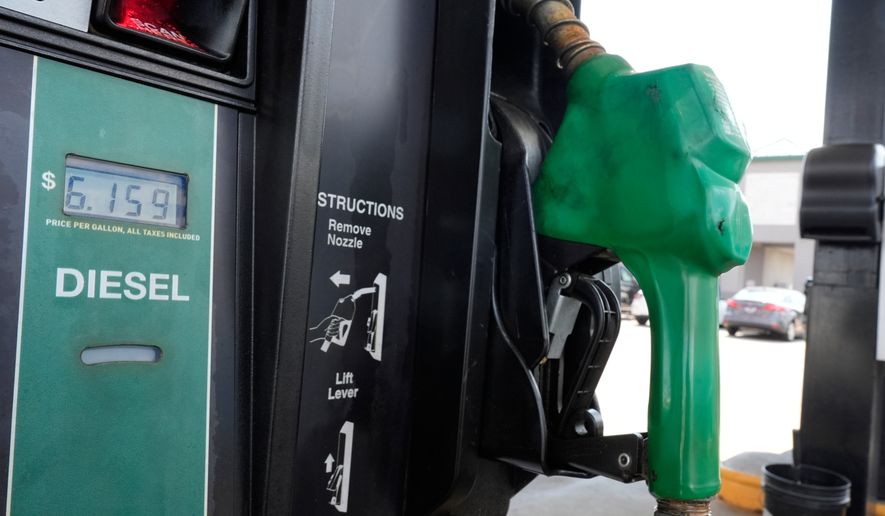

Two North Carolina men allege in a federal class-action lawsuit that a Winston-Salem fuel distributor and its trucking affiliate spent at least a decade secretly blending contaminated fuel into clean loads and selling the mixture to unsuspecting drivers at more than 130 gas stations across the state.
Stanley Somerville of Burke County and Michael Genwright of Caldwell County filed suit against Quality Oil Company LLC and affiliate Reliable Tank Line LLC, which together serve hundreds of stations across the Southeast. The two are seeking class-action status on behalf of anyone who bought fuel from Quality Oil in the four years before the suit was filed on May 29, 2025, according to reporting from WRAL.
How the scheme allegedly worked
People were interested in these podcasts
According to the complaint, when fuel at a station became contaminated or cross-mixed with another product, workers would pump it out, haul it to one of the companies’ properties and store it in tanker trailers rather than dispose of it. From there, the plaintiffs allege, employees were directed to blend hundreds of gallons of that untested mixture back into other fuel loads before delivering them to stations for sale to the public.
The suit lays out one delivery in granular detail: On Nov. 28, 2023, a trailer allegedly carrying contaminated fuel pulled from a station called Go Gas #4 met up with a second trailer that had picked up clean fuel from the Colonial Pipeline terminal in Greensboro. The two trailers were parked side by side at the company’s Winston-Salem property, and the complaint includes images the plaintiffs say show fuel being transferred from one to the other. That blended trailer then allegedly drove to a Quality Plus station in the Morganton area, where more than 1,000 gallons were unloaded into underground tanks and sold to customers — including, the complaint says, to Somerville and Genwright themselves, with photos included as evidence.
The lawsuit does not identify all 130-plus stations involved.
The companies’ response
Quality Oil and Reliable Tank Line argued in an August court filing that their fuel delivery and sales practices comply with North Carolina law. In a statement to WRAL, Quality Oil called the suit meritless, saying it has “built its reputation over generations by upholding the highest standards of integrity” and plans to fight the allegations in court.
Court records show the case was removed to the U.S. District Court for the Middle District of North Carolina, with Chief/Senior District Judge Catherine C. Eagles presiding and Magistrate Judge L. Patrick Auld handling discovery oversight. A Sept. 29, 2025 order from Judge Auld required jurisdictional discovery to wrap up by Dec. 29, 2025 and set Feb. 12, 2026 as the deadline for plaintiffs to file any motion to remand. The publicly available docket was last updated Oct. 15, 2025, so the case’s current posture — including whether that remand motion was filed — could not be confirmed as of this writing.
Part of a broader pattern
The lawsuit lands amid a wider run of bad-fuel complaints in North Carolina. A WRAL review of state Department of Agriculture and Consumer Services records found more than 100 fuel-quality complaints since 2022, with inspectors confirming problems — water, sediment or misdelivered fuel — at 37 stations. And complaint volume is rising: the state logged 108 fuel-quality complaints between June and September 2026, up 23% from the 88 filed in the same window a year earlier.
State officials note a persistent limitation in policing bad fuel: inspectors can only test what’s still in the tank when they arrive. In Apex, for instance, testing could not confirm nine complaints at Refuel #189 because the suspect fuel had already been removed — but the station itself told inspectors diesel had been misdelivered into its regular-gas tank and gasoline into its diesel tank. A similar pattern played out in Wake Forest, where Speedway #6973 acknowledged a diesel misdelivery into its regular-gas tank even though the product was gone before inspectors could sample it.
This article was constructed with the assistance of artificial intelligence and published by a member of The Washington Times' AI News Desk team. The contents of this report are based solely on The Washington Times' original reporting, wire services, and/or other sources cited within the report. For more information, please read our AI policy or contact Steve Fink, Director of Artificial Intelligence, at sfink@washingtontimes.com
The Washington Times AI Ethics Newsroom Committee can be reached at aispotlight@washingtontimes.com.

Please read our comment policy before commenting.