
Episode Four
LISTEN: 'Defiant Ones' episode 4
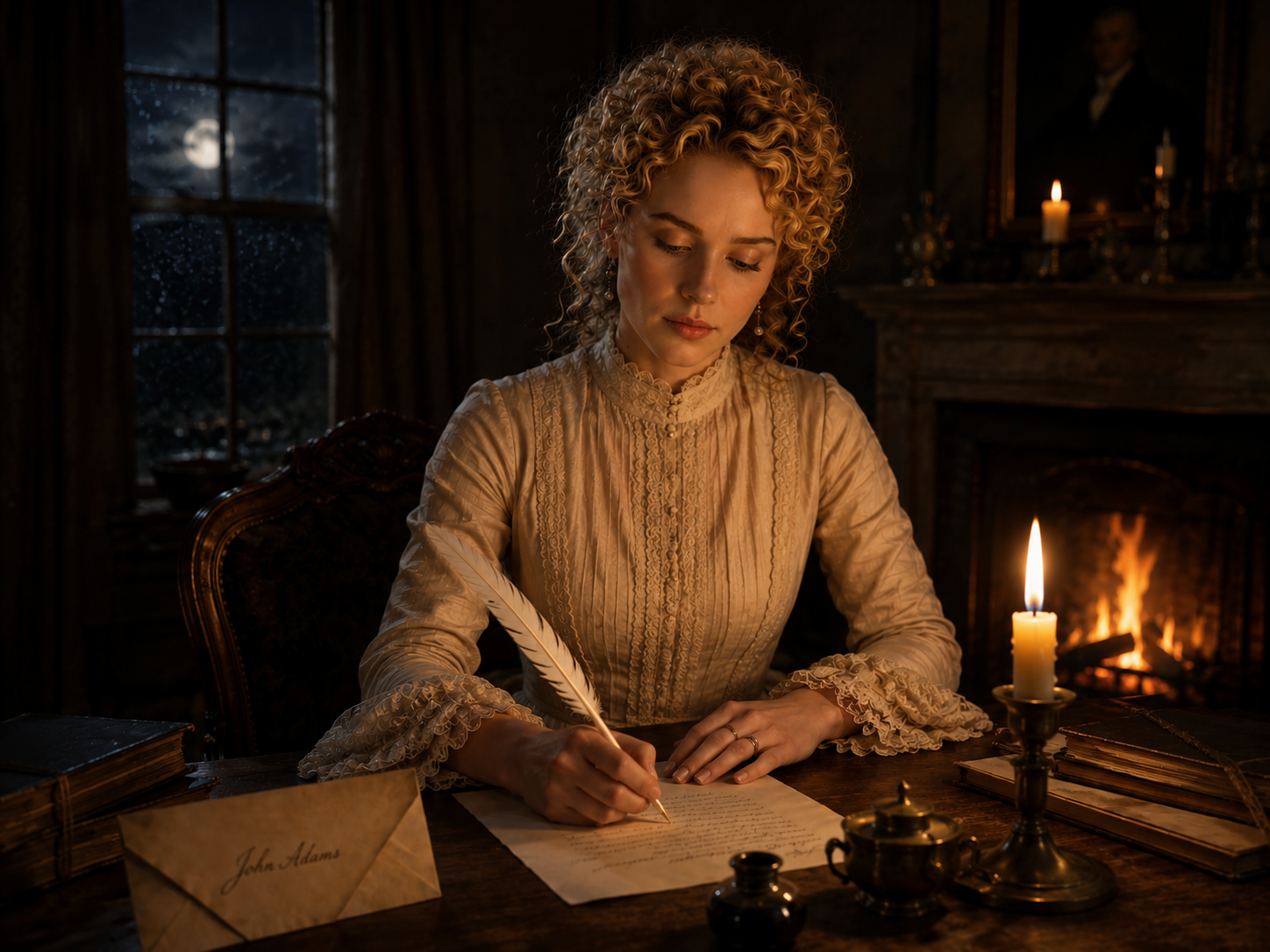
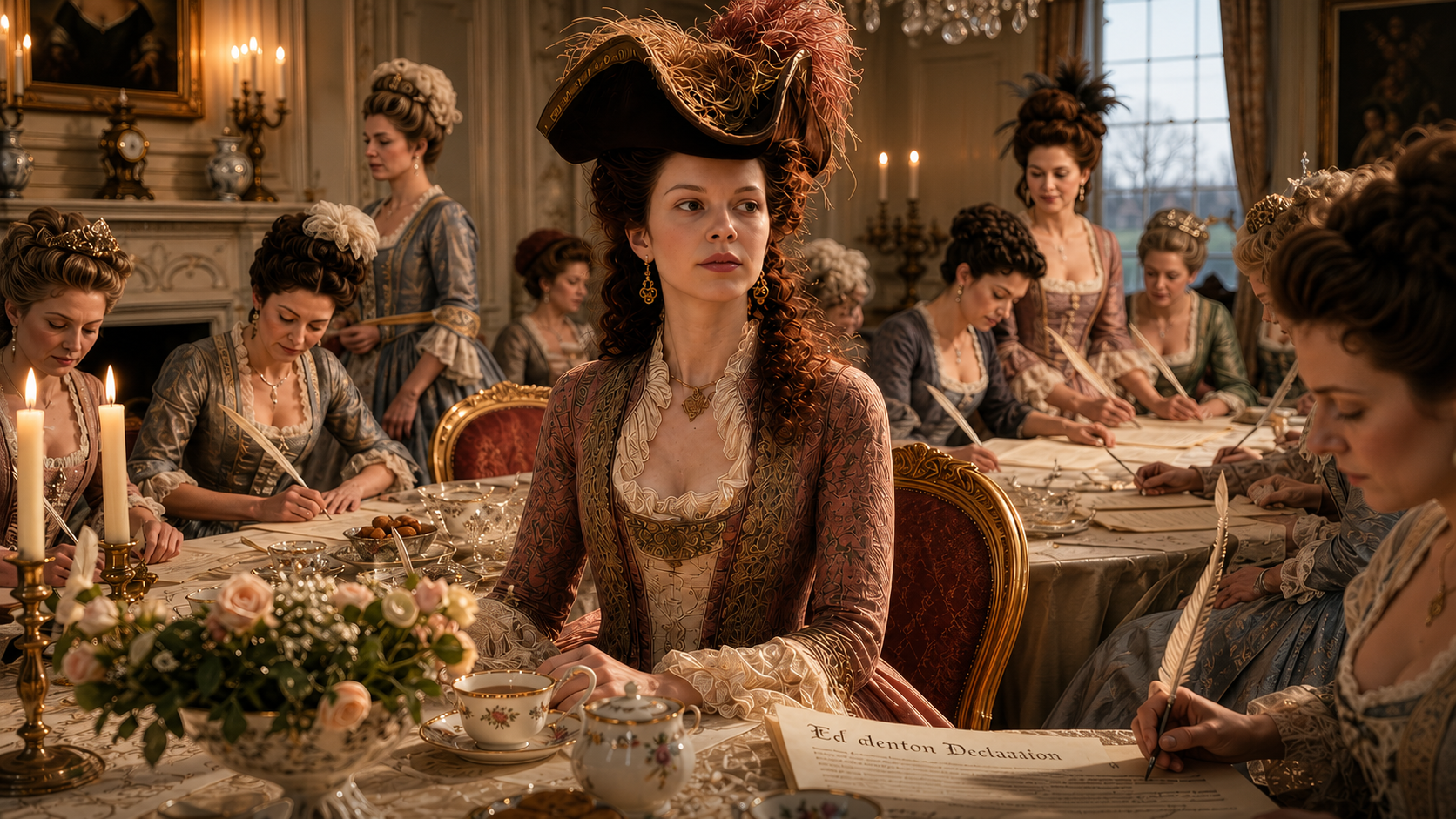
Phillis Wheatley is a woman of profound intellect and faith who, rising from enslavement, uses her voice and poetry to challenge a nation to reconcile its pursuit of liberty with the truth of equality for all. As revolution brews across the colonies, she emerges as a powerful voice in a country wrestling with its own contradictions, crying out for freedom while denying it to others. Taken from her homeland in Africa as a child and enslaved, Phillis rises to become a celebrated poet whose words reach the highest levels of society, even into the hands of George Washington. Yet beneath her success lies a deeper struggle, as she grapples with a liberty not extended to all. Anchored in her faith, she clings to the truth that her identity is not defined by the world’s limitations but by a God who sees all people as equal, reminding a divided nation that in Christ there is no hierarchy, only unity. As the call for independence grows louder, Phillis must decide how to use her voice and whether to remain within the safety of admiration or step forward in truth. Choosing courage, she writes with conviction, declaring through her poetry that freedom is not selective, but sacred, proving that the power of words can challenge injustice, awaken conscience, and help shape the soul of a nation.
Continue the Story Beyond the Audio
Novelettes Coming Soon!
“There is neither Jew nor Gentile, neither slave nor free, nor is there male and female, for you are all one in Christ.” ~ Galatians 3:28
Take a Quiz
Which Defiant Ones heroine are you?Historical Details and Facts
- Phillis Wheatley was the first published African American woman poet (1773)
- She was kidnapped from West Africa as a child and enslaved in Boston
- Educated by the Wheatley family, she quickly demonstrated exceptional literary and intellectual ability
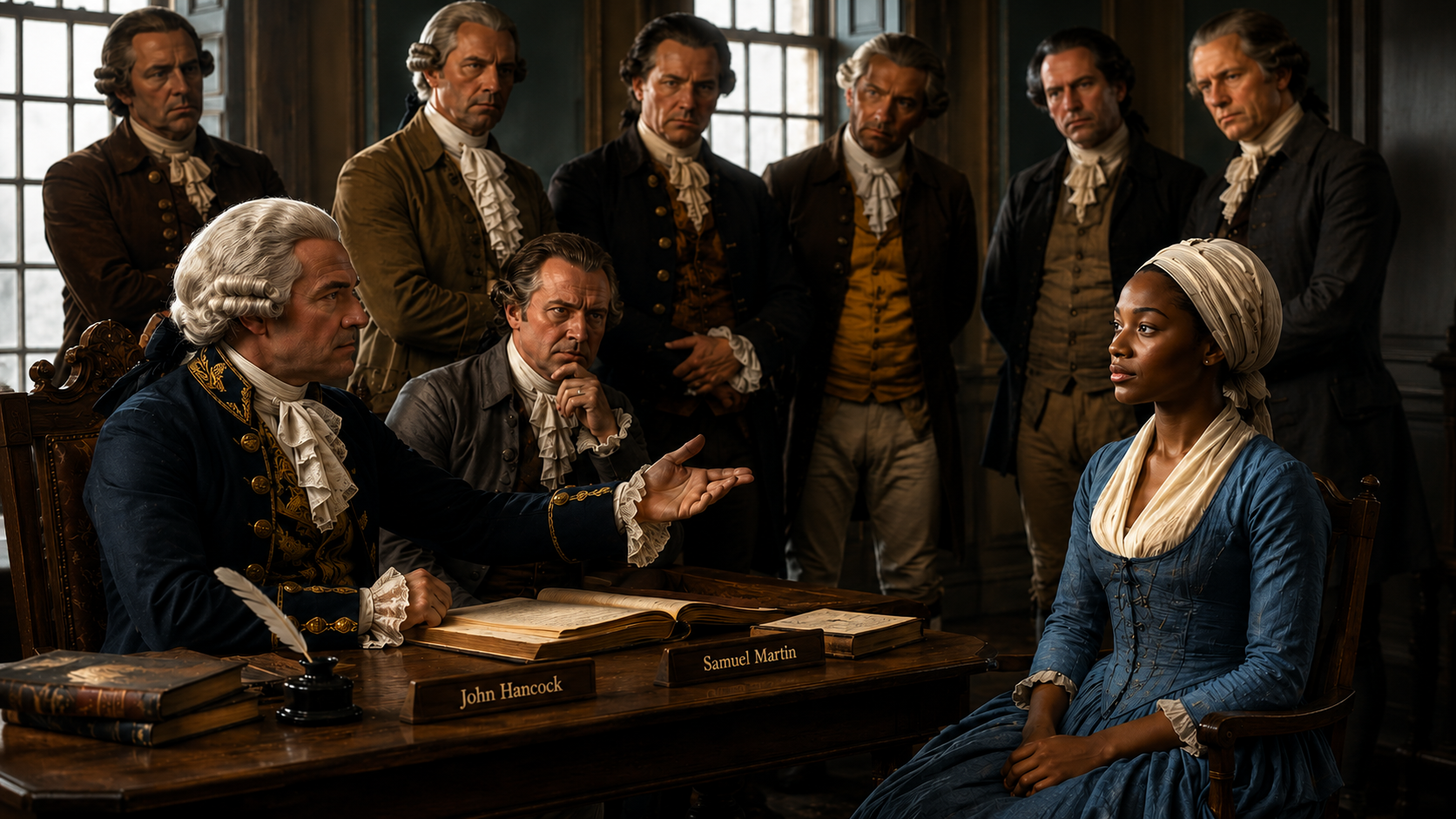
- A panel of prominent men, including John Hancock, authenticated her authorship due to widespread disbelief
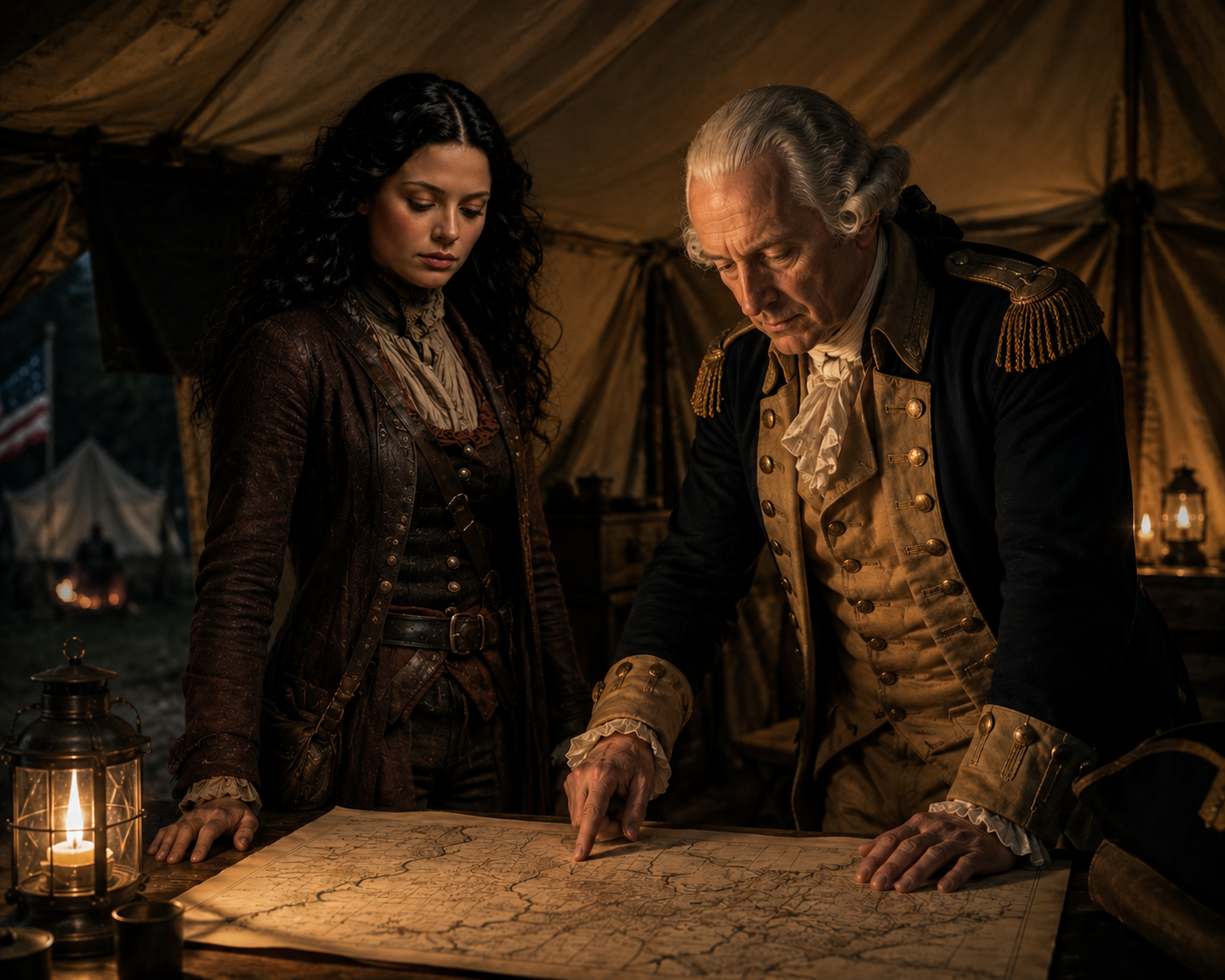
- She wrote a famous poem honoring George Washington, who later invited her to meet him
Revolutionary Setting (1770–1776)
- The Boston Massacre (1770) intensified colonial unrest
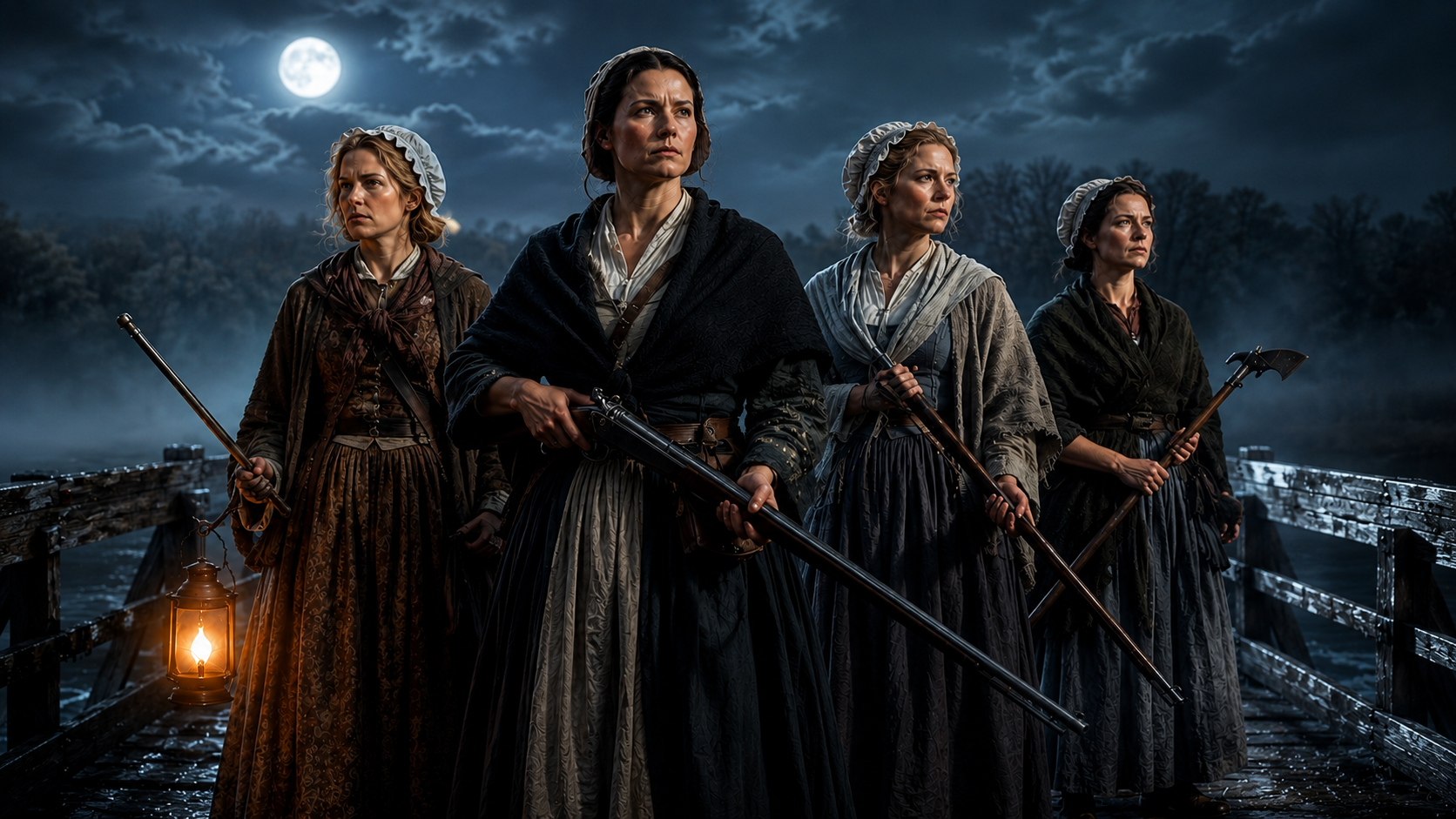
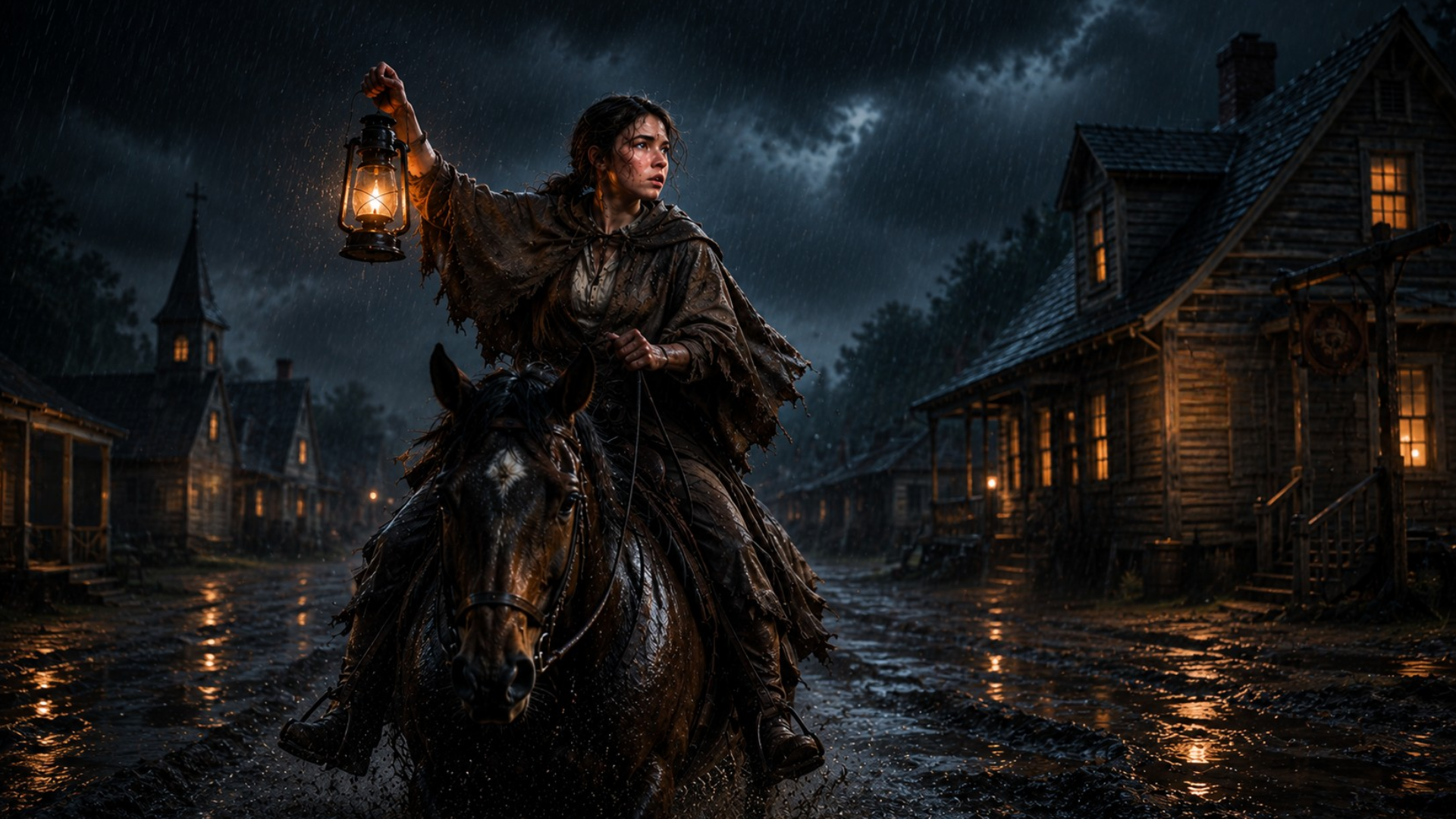
- The Midnight Ride (1775) warned of British troop movement toward Lexington and Concord
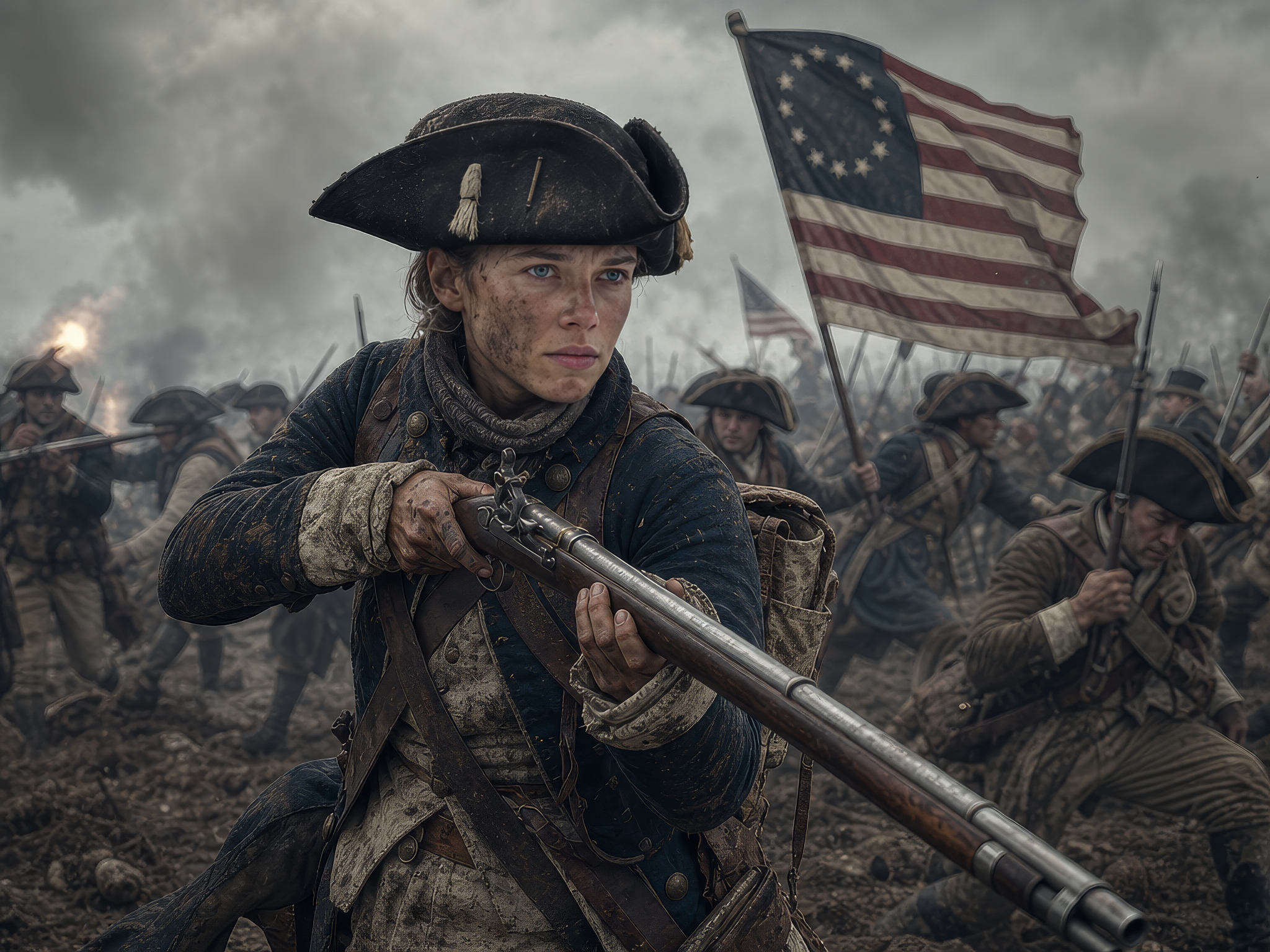
- The Revolutionary War began with the Battles of Lexington and Concord (1775)
- Conversations around liberty were growing—but contradictions around slavery remained unresolved
Impact on Today
Phillis Wheatley’s story reminds us that true liberty cannot be partial, it must be extended to all. Her courage to speak truth in a time of deep contradiction challenges us today to examine where justice is still incomplete. She calls us to use our voices not only to inspire, but to confront, to heal, and to bring light into places where truth has yet to take root. Her legacy is a powerful reminder that words, when anchored in faith and conviction, can shift hearts, shape history, and call a generation higher.