


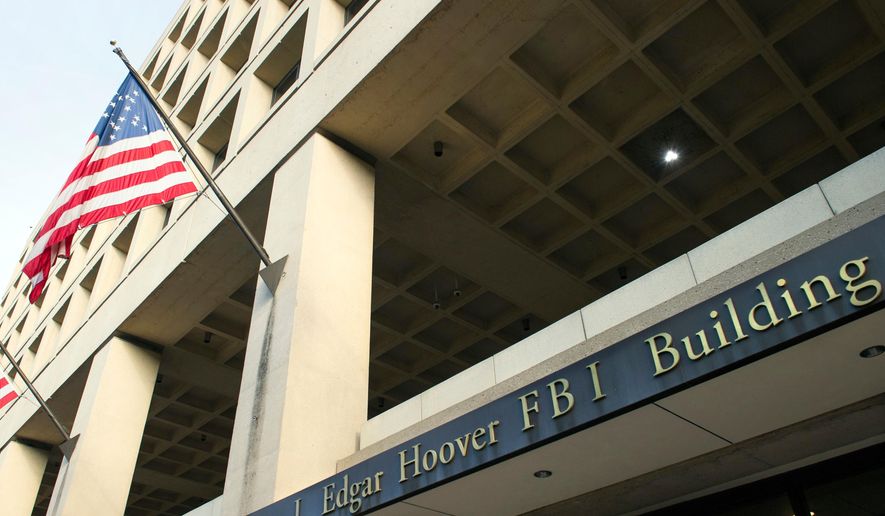

The FBI is reportedly investigating a series of cyberattacks suffered during the 2018 midterm election season by Bryan Caforio, a former Democratic candidate in the race to unseat Rep. Steve Knight, California Republican.
Federal investigators are probing several apparent distributed denial-of-service (DDoS) attacks that crashed Mr. Caforio’s campaign website during pivotal moments of the race, including once during a major debate between Democratic candidates and again days prior to the party’s June 5 primary election, Rolling Stone reported Monday.
The FBI contacted several members Mr. Caforio’s campaign this month and has requested forensic data related to the incidents, the magazine reported.
People were interested in these podcasts
“I’m glad the FBI has now launched an investigation into the hack,” Mr. Caforio told Rolling Stone in a statement. “These attacks put our democracy at risk, and they’ll keep happening until we take them seriously and start to punish those responsible.”
The FBI declined to comment, the report said.
Unsophisticated when compared to other hacking tactics deployed against political targets in the past, DDoS attacks work by inundating online targets with illegitimate internet traffic, in turn rendering victims — Mr. Caforio’s campaign website, in these cases — inaccessible to their intended audience.
Mr. Caforio’s campaign website crashed at least four times during a five-week span during the race as the result of what security experts determined to be DDoS attacks, including during the April debate and again one week prior to placing third in the Democratic top-two primary election, Rolling Stone first reported last month.
The instances were previously brought to the attention of the U.S. Department of Homeland Security, as well as the Democratic Congressional Campaign Committee (DCCC), Rolling Stone reported at the time.
Federal officials previously determined that the 2016 U.S. general election, including the White House race won by President Trump, were targeted by a multi-pronged interference campaign waged by Russian state-sponsored hackers and other operative. Those instances did not involve DDoS attacks, however, but instead relied on tactics including breaking into computer systems and stealing sensitive data to leak online, in addition to spreading misinformation through social media platforms and government propaganda outlets, according to intelligence and law enforcement officials.
More recently, the U.S. Department of Justice unsealed criminal charges last week against Elena Khusyaynova, a Russian national accused of similarly using social media platforms to interfere in matters including next month’s midterm elections.

Please read our comment policy before commenting.