


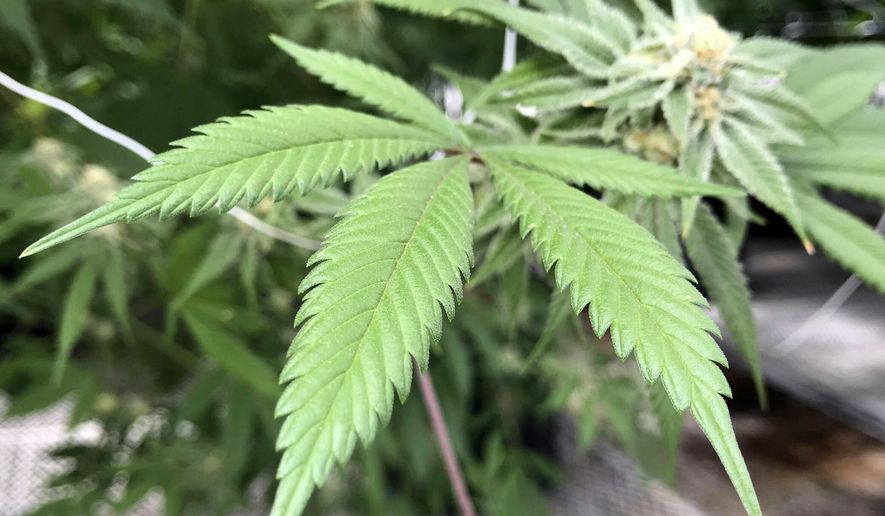

New Mexico will permit adults to legally possess, grow and eventually purchase marijuana for recreational purposes after Democratic Gov. Michelle Lujan Grisham signed a cannabis bill into law Monday.
Ms. Lujan Grisham, who campaigned on legalizing marijuana while running for governor in 2018, also signed into law a separate bill to expunge past low-level convictions for marijuana-related crimes.
Following in the footsteps of New York and Virginia, New Mexico is now the third state in the past two weeks to legalize marijuana for adults in the face of longstanding federal prohibition.
Once the legislation takes effect on June 29, adults 21 years of age and older will be legally permitted to use and grow limited amounts of marijuana within New Mexico for recreational purposes.
Adults will ultimately be allowed to purchase recreational marijuana from retail dispensaries in New Mexico under the new law, although sales are not slated to start until sometime in 2022.
Retail marijuana sales are expected to reach $318 million during the first year of legalization, with an excise tax set to generate over $20 million for the state during that span, the governor said.
“This legislation is a major, major step forward for our state,” Ms. Lujan Grisham said in a statement. “Legalized adult-use cannabis is going to change the way we think about New Mexico for the better — our workforce, our economy, our future. We’re ready to break new ground. We’re ready to invest in ourselves and the limitless potential of New Mexicans. And we’re ready to get to work in making this industry a successful one.”
Marijuana is categorized by the U.S. government as a Schedule 1 controlled substance, effectively making it prohibited under federal law. But most states have legalized it to some degree.
Despite federal prohibition, over half of the states in the U.S. have laws in place allowing marijuana to be used for medical purposes. New Mexico legalized medical marijuana in 2007, for example.
Recreational marijuana has been legalized in 17 states and Washington, D.C. Not all of them allow for retail dispensaries to operate, however.

Please read our comment policy before commenting.