


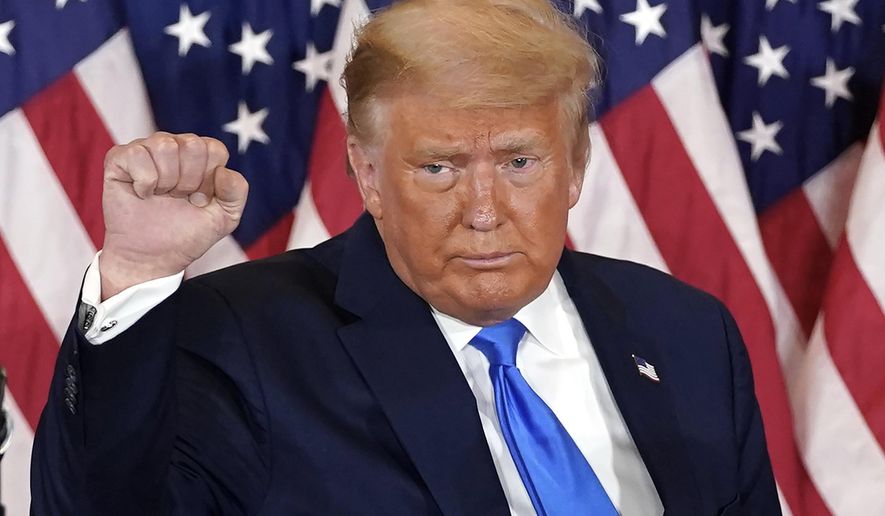

Former President Donald Trump and his running mate J.D. Vance have a plan for the future of the U.S. economy that resembles something out of the past. For most of American history before World War II, trade barriers and high tariffs were mainstays in economic and fiscal policy — in the era before the personal income tax. Protectionism came to ruin in the 1920s, culminating in the Smoot-Hawley Tariff Act of 1930 and a massive contraction of international commerce that contributed to the Great Depression.
In this episode of History As It Happens, economic historian Phil Magness of the Independent Institute delves into the complex history of tariff policies from the nation’s founding through the mid-20th century. For instance, tariffs were a major part of Henry Clay’s “American System” (1824), which used protectionist tariffs to pay for internal improvements and foster economic development — a kind of economic nationalism that Mr. Trump has embraced to go with his plan to expel people living in the U.S. illegally.
“It’s the notion that the tools of the state can be employed for strategic direction of the economy, everything from supporting certain issues that are viewed as either of military or industrial value … and to orient economic activity toward American businesses and American interests. It’s the belief that we’re in a zero-sum competition with the rest of the world,” Mr. Magness said.
Tariff policies were always highly contested, he said, and were initially designed to generate revenue rather than strictly protect infant industries. That is why tariff schedules in the early 19th century were kept at modest levels to encourage, rather than depress, the purchase of imports.
History As It Happens is available at washingtontimes.com or wherever you find your podcasts.

