



Sudan’s first civil war lasted from its independence in the mid-1950s to 1972, ending with the Addis Ababa Agreement between the Khartoum government and southern rebels. The tenuous peace ended in 1983 and another civil war raged until 2005, although from 2003 the western Darfur region became embroiled in violence and cruelty that persisted for many more years. An estimated 300,000 people were killed during this genocidal war, igniting an international outcry.
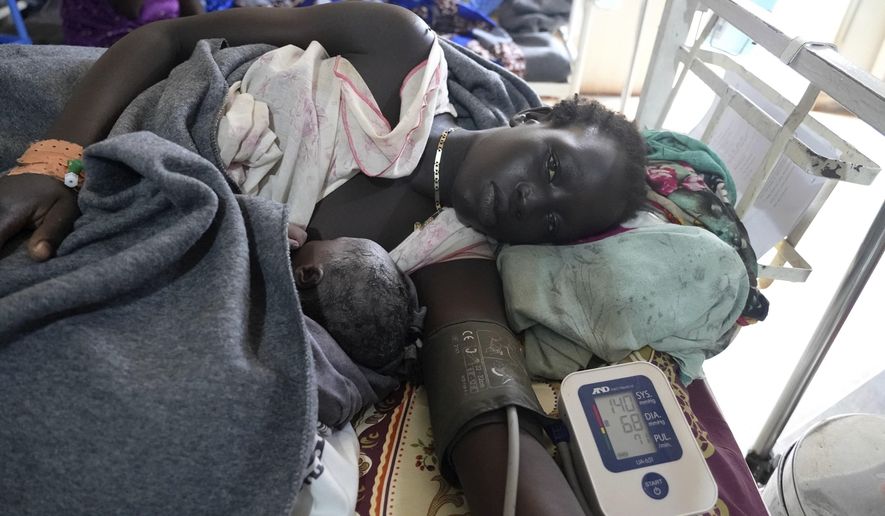
Today Sudan remains at war with itself. Since April 2023, the forces of rival generals have caused mass misery, an estimated 150,000 deaths, about 11 million refugees (mostly internally displaced), and the possibility that as many as two million people might starve. Yet these horrors are invisible to many Americans. Election year politics and the ongoing wars in Ukraine and Israel are soaking up most of the public’s attention, even though events in Africa rarely dominate news coverage in the United States.
People were interested in these podcasts
In this episode of History As It Happens, Alex de Waal, one of the world’s foremost experts on Sudan, delves into the country’s complex ethnic, religious and political fault lines and the reasons why Sudan has once again collapsed into civil war following a brief period of hope after the fall of President Omar al Bashir.
“Sudan was quite rarely in the news for the first 20 years I was studying it. And then the anomaly was why did this war — admittedly a very vicious and horrible war in Darfur — 20 years ago, why did it suddenly become the cause of the day? Why was George Clooney talking to large rallies?” said Mr. de Waal, the executive director of the World Peace Foundation at Tufts University.
“At the height of this international attention, just about every Western country plus Russia and China had a senior diplomat assigned as a special envoy. There were half a dozen Security Council resolutions every year at the United Nations… It was the World Food Program’s largest humanitarian operation in the world at the time,” said Mr. de Waal, who said the country also drew global attention because its government had hosted Osama bin Laden before he fled to Afghanistan.
But as the world’s attention gradually shifted elsewhere — after U.N. peacekeepers were deployed to Darfur, after al Bashir was toppled in 2019 — Sudan’s long-simmering problems rarely garnered headlines anymore, Mr. de Waal, said. Today, with so many crises across the globe, even a potentially catastrophic famine struggles to receive concerted attention from the United States and United Nations, he added. For instance, the U.N. continues to defer to the “central government” of General Abdel Fattah al Burhan, who has been Sudan’s de facto leader since 2019. Gen. al Burhan has blocked aid shipments from entering the country.
History As It Happens is available at washingtontimes.com or wherever you find your podcasts.

