


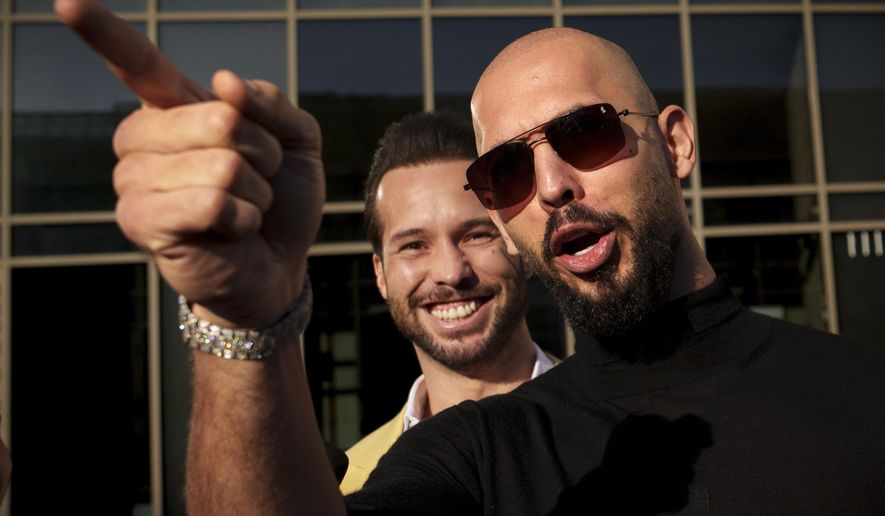

Lawyers for Andrew and Tristan Tate say the brothers exaggerated their wealth online and portrayed rented supercars and other high-end possessions as their own to cultivate an image of extraordinary success.
The admission came in new court filings in which attorneys argued that the brothers’ social media posts should not be treated as reliable evidence of their actual finances. Their lawyers said the pair frequently made exaggerated claims about being influential and “uberwealthy” as part of the personas they presented to millions of followers.
The defense specifically addressed three hypercars featured in the brothers’ promotional content: a $2.1 million Aston Martin and two Bugattis valued at $5 million and $7 million. The lawyers said all three were rented rather than owned by the brothers.
People were interested in these podcasts
The disclosures add context to Andrew Tate’s long-running association with Bugatti. He famously made the brand a symbol of his online persona, repeatedly taunting critics with the question, “What color is your Bugatti?”
The lawyers also addressed a $50 million superyacht that had appeared in the brothers’ social media content. Prosecutors had previously cited Andrew Tate’s online tour of the 41-meter Obsidian Blade while arguing that the brothers had access to significant financial resources. The defense countered that appearing aboard the vessel did not establish ownership and said the superyacht did not belong to the Tates. Instead, the lawyers said, the brothers were paid to promote the vessel on social media.
The lawyers similarly disputed claims about Andrew Tate’s collection of expensive watches, saying social media estimates of its value were based on a third-party enthusiast publication rather than proof that he owned the pieces he was photographed or filmed wearing. The brothers have displayed watches from brands including Jacob & Co., Audemars Piguet and Patek Philippe.
“The outrageousness of the posts by them and about them is the point,” the lawyers said in the filings. “The more hyperbolic and outlandish the post, the more likely it will generate views and likes, which in turn generates income. In short, they are playing a role.”
The court filings argue that projecting enormous wealth helped the brothers promote businesses that promised to teach men how to make money. Those ventures included Hustlers University, which charged $49.99 per month, and a $5,000 course focused on offshore tax structures and asset management.
The financial claims are emerging as the brothers face a series of criminal and civil proceedings in several countries.
Andrew and Tristan Tate have been held in federal custody in Miami since their arrests by U.S. Marshals in July and are fighting extradition to the United Kingdom.
The Crown Prosecution Service announced in July that it had authorized 38 additional charges against the brothers, on top of 21 existing charges, bringing the combined number of UK charges to 59. The new charges involve four additional alleged victims and alleged offenses dating from July 2010 to August 2017.
Andrew Tate faces 32 of the additional charges: seven counts of rape, three counts of arranging or facilitating trafficking for sexual exploitation, three counts of assault occasioning actual bodily harm and 19 charges relating to indecent images of a child and extreme pornography.
Tristan Tate faces six additional charges: two counts of rape, one count of sexual assault and three counts of arranging or facilitating trafficking for sexual exploitation. Both brothers have denied wrongdoing.
Separately, Andrew Tate is being sued in England by four women who accuse him of sexual violence, while the brothers have faced legal proceedings in Romania involving allegations of human trafficking, rape and other crimes.
Andrew Tate has said he intends to fight extradition to Britain. His social media account has also repeatedly complained about his treatment in federal detention, including claims that he has been denied commissary purchases, phone calls and recreation.
Federal prosecutors have disputed those descriptions, saying the brothers have access to recreation, visitors, phone calls and their attorneys. Prosecutors also produced Aug. 5 commissary receipts showing both men purchased more than a dozen items, including ramen noodles, coffee, candy, Doritos and deodorant.
This article was constructed with the assistance of artificial intelligence and published by a member of The Washington Times' AI News Desk team. The contents of this report are based solely on The Washington Times' original reporting, wire services, and/or other sources cited within the report. For more information, please read our AI policy or contact Steve Fink, Director of Artificial Intelligence, at sfink@washingtontimes.com
The Washington Times AI Ethics Newsroom Committee can be reached at aispotlight@washingtontimes.com.

Please read our comment policy before commenting.