


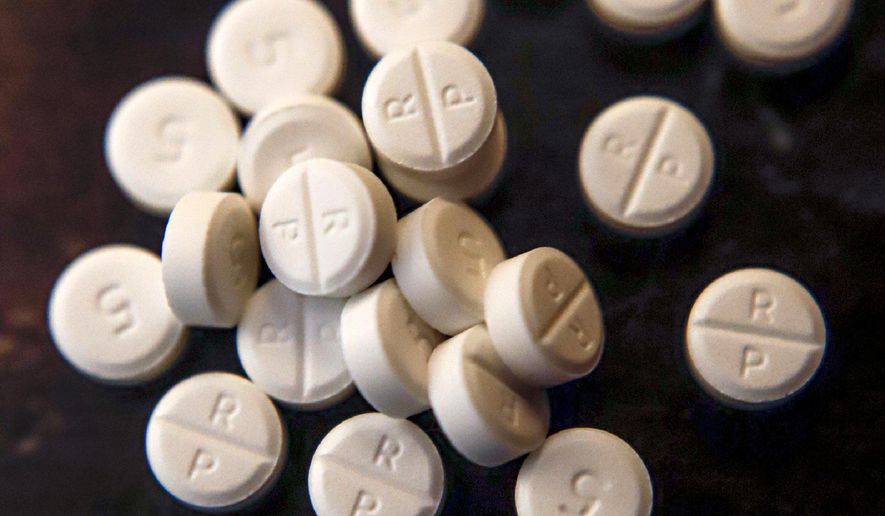

The Justice Department and the Drug Enforcement Administration announced a $50 million settlement with Walmart Inc. to resolve allegations that the company’s pharmacies illegally filled thousands of invalid prescriptions for opioids and other controlled substances, in violation of the Controlled Substances Act.
Associate Attorney General Stanley Woodward said the settlement reflects the department’s commitment to holding companies accountable for their role in dispensing controlled substances, adding that potential profits should never justify contributing to the nation’s opioid epidemic. DEA Assistant Administrator Cheri Oz said pharmacies bear responsibility for identifying and preventing unlawful dispensing, and that filling illegitimate prescriptions endangers patients and communities while undermining safeguards meant to prevent misuse and diversion.
According to the government’s complaint, originally filed in December 2020 and amended in 2022 in the U.S. District Court for the District of Delaware, Walmart filled invalid prescriptions beginning in June 2013 through the knowing conduct of both its compliance team and its pharmacists. Prosecutors alleged compliance team members were aware that certain prescribers were operating as “pill mills,” but continued to fill their prescriptions despite thousands of internal “refusal-to-fill” reports submitted by Walmart’s own pharmacists. The complaint alleges the compliance team prioritized sales goals over regulatory compliance, citing an internal email in which a director characterized driving sales as a better use of staff time than reviewing refusal reports.
People were interested in these podcasts
Prosecutors further alleged that Walmart pharmacists knowingly filled prescriptions bearing clear red flags, including dangerous opioid combinations, high-dosage refills, and repeated requests for early fills of frequently abused controlled substances.
Beyond the monetary payment, Walmart has entered into a memorandum of agreement with the DEA outlining future compliance obligations. Under the agreement, the company must establish a hotline for employees and patients to report suspected illegal dispensing, proactively monitor pharmacy dispensing patterns, and create a process for evaluating prescribers suspected of illegal activity.
The government was represented by trial attorneys from the Justice Department’s Civil Division Enforcement & Affirmative Litigation Branch, along with assistant U.S. attorneys from the districts of Delaware, Eastern North Carolina, Middle Florida, and Eastern New York.
The Justice Department noted that the claims resolved by the settlement are allegations only, and that there has been no determination of liability.
This article was constructed with the assistance of artificial intelligence and published by a member of The Washington Times' AI News Desk team. The contents of this report are based solely on The Washington Times' original reporting, wire services, and/or other sources cited within the report. For more information, please read our AI policy or contact Steve Fink, Director of Artificial Intelligence, at sfink@washingtontimes.com
The Washington Times AI Ethics Newsroom Committee can be reached at aispotlight@washingtontimes.com.

Please read our comment policy before commenting.