


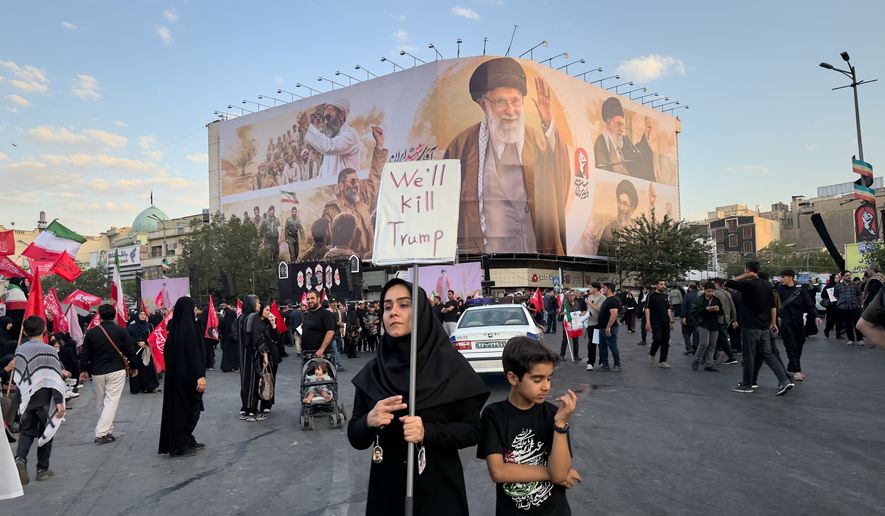

A version of this story appeared in the daily Threat Status newsletter from The Washington Times. Click here to receive Threat Status delivered directly to your inbox each weekday.
The U.S. military says it used precise munitions to hit dozens of targets in Iran late Sunday, degrading Tehran’s ability to attack international shipping in the Strait of Hormuz.
U.S. Central Command said it struck Iranian military air-defense systems and coastal radar sites, plus missile and drone capabilities.
“The Strait of Hormuz is a vital maritime corridor for global trade. Iran does not control it,” the command said.
People were interested in these podcasts
Tehran says it must maintain some control over the waterway, however, resulting in new tensions in the strait and a volley of tit-for-tat strikes.
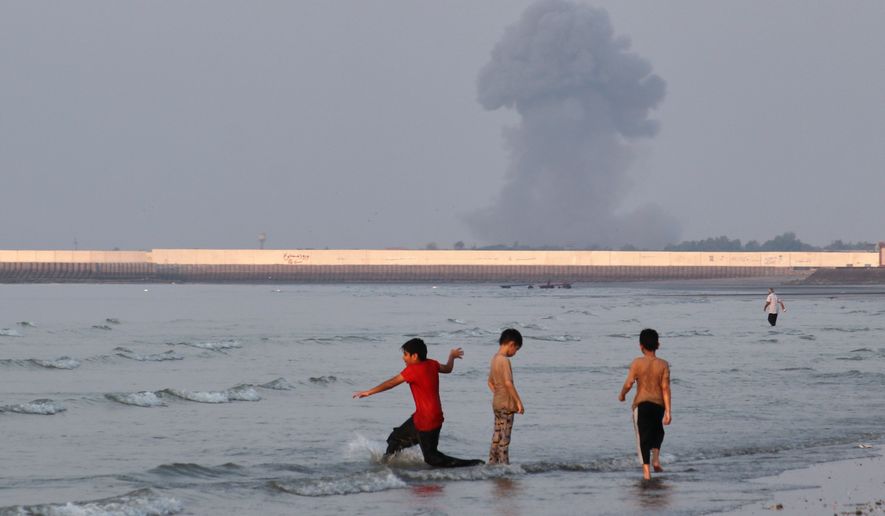
Iran retaliated on Monday by lashing out at American partners in the Persian Gulf region. Jordan, Kuwait and Bahrain reported incoming missiles that had to be intercepted.
State media in Iran also reported Monday that U.S. forces had struck a water pumping station in southwestern Khuzestan province.
SEE ALSO: U.S. military says Strait of Hormuz open despite recent strikes on commercial ships
Violence in the oil-rich region is causing energy shocks. Brent crude prices rose roughly 6% on Monday to $77 per barrel.
The average U.S. gas price stood at $3.87 per gallon on Monday, a 7-cent increase from a week ago and up from around $3 per gallon when the war began on Feb. 28, according to the AAA motor club.
Oil traffic through the Strait of Hormuz had increased significantly after the U.S. and Iran signed a memorandum of understanding last month.
The agreement required Iran to halt attacks on commercial ships and charge no tolls for at least 60 days while negotiators drafted a final peace agreement.
But tensions over who controls the waterway flared up last week, causing successful passage through the strait to plummet again.
Iranian forces struck several tankers reportedly traveling through the strait in Omani waters.
Officials in Tehran say ships must travel through preapproved routes and work with the Iranian military to transit safely.
The U.S. said the strikes were a violation of the ceasefire in the memorandum, so Mr. Trump ordered strikes on Iranian targets in response.
• Vaughn Cockayne contributed to this report.
Contact the author


Please read our comment policy before commenting.