



Oil prices nosedived Monday amid hopes of a deal to end the war in Iran and reopen the Strait of Hormuz.
Brent crude, the global benchmark, fell 5.5% to $97.90 per barrel Monday, as crude oil prices dipped below $100 for the first time in a month amid negotiations to reopen the strait, the vital waterway through which about 20% of the world’s oil and gas is shipped.
While crude oil prices have fallen, they are significantly higher than the $72 a barrel they were trading at on Feb. 27, the day before the conflict began.
People were interested in these podcasts
Brent peaked at nearly $120 a barrel during the conflict, meaning the current price represents a significant decline from the peak.
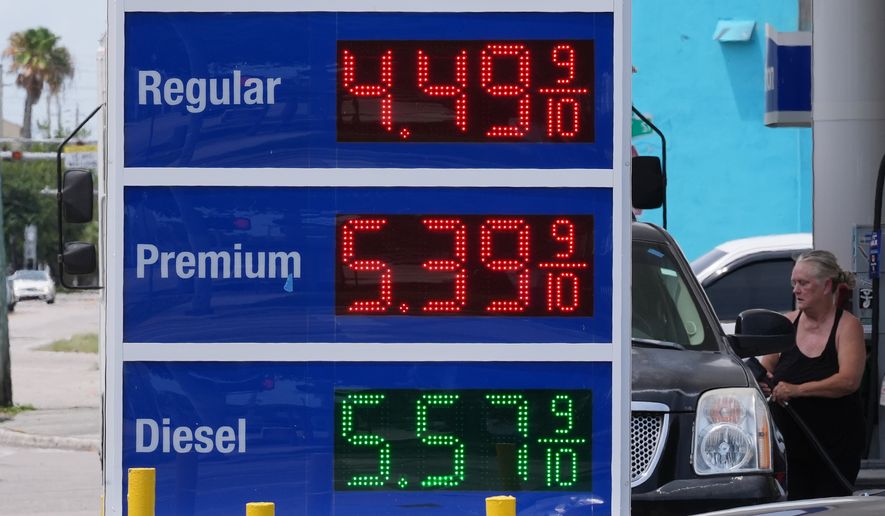
Pump prices, meanwhile, have dropped slightly. The national average for a gallon of regular gasoline is now just over $4.50, according to AAA. That is just a cent lower than Sunday’s average and a few cents lower than last week’s. It is, however, about 40 cents higher than last month’s average. When AAA projected record travel numbers for Memorial Day weekend, the national average sat at $4.56.
The stock markets were closed Monday for Memorial Day.
SEE ALSO: One day after Iran deal breakthrough, Trump taps brakes, says negotiators shouldn’t rush
Many energy analysts have said they don’t expect oil prices to return to pre-war levels quickly.
Jamus Lim of ESSEC Business School projected crude would hover around $100 through the end of summer, while June Goh of Sparta Commodities said she did not expect a return to pre-war levels for at least a year. Their analysis to Time magazine in April came amid a moment of cautious optimism — a ceasefire had just been announced, full-scale negotiations were about to begin in Islamabad, Pakistan, the next day and oil had dipped below $100 for the first time since the war began.
Monday’s drops come amid changing messages from the Trump administration on a potential peace deal with Iran that would resume regular shipping in the Strait of Hormuz. The choke point has been effectively blockaded since the U.S.-Israel war against Iran began.
Washington and Tehran agreed to a deal “in principle” that would reopen the Strait of Hormuz and commit Iran to disposing of its highly enriched uranium, a senior U.S. official told reporters Sunday.
But President Trump told his negotiators “not to rush into a deal.”
Mr. Trump said on Truth Social Monday that negotiations are “proceeding nicely,” while reiterating it would either be “a great deal for all or no deal at all.”
Secretary of State Marco Rubio told reporters during an ongoing diplomatic visit to New Delhi Monday that the U.S. had a “pretty solid thing on the table” aimed at reopening the Strait of Hormuz and initiating time-limited negotiations over nuclear matters. However, he also tempered expectations, cautioning that the deal remained a “work in progress” and that the U.S. would find another way to deal with Iran if an agreement fails.
Contact the author


Please read our comment policy before commenting.