



The Department of Health and Human Services is aiming to let pharmacies compound certain peptides, according to a filing posted Thursday.
The department submitted the policy plan to the White House for consideration after a Food and Drug Administration panel recommended in July to loosen restrictions on six of seven peptides under review.
Peptides are short chains of amino acids that act as building blocks for proteins. While certain synthetic peptides such as insulin or GLP-1 drugs are FDA-approved and clinically tested, many trending peptides promoted online lack extensive human trials.
People were interested in these podcasts
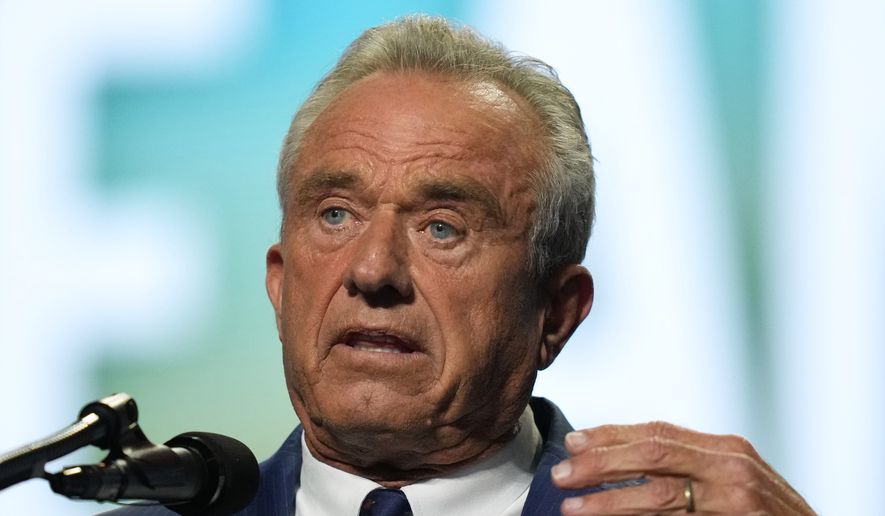
Health Secretary Robert F. Kennedy Jr. has said U.S. compounding pharmacies must be allowed to sell peptides because Americans are increasingly buying “gray market” versions made in China and other countries.
Pharmacies are legally permitted to mix, alter or combine ingredients to create custom medications when a patient has a medical need that can’t be met by an FDA-approved commercial drug.
The filing does not say which peptides the policy would cover. Two people familiar with the plan told The Associated Press it includes BPC-157, which is promoted for muscle building and injury recovery.
In July, an FDA panel recommended that HHS add six peptides to its list of substances pharmacies can compound: BPC-157, KPV, TB-500, MOTS-c, epitalon and semax. It voted against a seventh, emideltide.
Eight of the panel’s members were recently appointed under Mr. Kennedy’s department, and six of them run or work for clinics that offer peptides, according to multiple reports.
FDA staff recommended against adding any of the seven peptides to the compounding list, citing evidence on their safety and effectiveness.
Risks include contamination, allergic reactions and tumor growth, according to the FDA.
Contact the author


Please read our comment policy before commenting.