



OPINION:
Main Street stands at the doorstep of a profound economic transformation. Across our nation from the historic storefronts of Missouri to bustling commercial corridors nationwide small businesses are the heartbeat of our local communities. They are the backbone of our economy, driving job creation, fostering local innovation and embodying the American dream. Yet, as a new technological era unfolds, a quiet divide threatens to leave our entrepreneurs behind. While tech giants and Fortune 500 corporations spend millions experimenting with artificial intelligence, many local Main Street shop owners lack the time, capital and resources to navigate this digital frontier alone.
Under the capable leadership of our Small Business Committee Chairman Rep. Roger Williams, R-Texas House Republicans are championing policies that level the playing field and ensure that the AI revolution is harnessed by everyone, not just the corporate elite.
The technological landscape is moving at breakneck speed, and AI is no longer a distant sci-fi concept. It is already here. Across the country, Main Street business owners are looking for practical ways to optimize their operations, streamline inventory and connect more effectively with their customers. We are seeing real-world examples of this shift emerge across the market. Tools like Meta’s Muse for Small Business and various digital assistant initiatives are demonstrating how generative AI can help local enterprises craft targeted marketing campaigns, design creative assets and manage customer relations in a fraction of the time.
People were interested in these podcasts
For a busy family-owned bakery, a local HVAC technician or an independent hardware store, these capabilities can mean the difference between merely surviving and truly thriving. But knowing that a tool exists is very different from having the guidance to use it effectively. Large corporations can easily hire specialized tech consultants and expensive trial teams to map out their digital transition. A neighborhood retailer working eighty hours a week simply does not have that luxury.
To bridge this widening gap, the House passed the AI for Main Street Act, a bipartisan bill I proudly lead. Our legislation is designed to ensure that small businesses are not sidelined in the modern economy. Specifically, the bill empowers the Small Business Administration (SBA) and leverages successful frameworks like America’s Small Business Development Center (SBDC) network to expand guidance, targeted training, and hands-on outreach. By scaling initiatives like the SBDCs’ “AI U” model nationwide, we are giving entrepreneurs access to one-on-one coaching, practical educational resources, and the technical confidence they need to integrate AI safely and efficiently into their daily workflows.
Let me be crystal clear: the AI for Main Street Act is not about replacing people; it is about empowering them. It is about giving a family-owned business in rural Missouri or downtown Kansas City the exact same opportunity to compete, grow and innovate as a multi-billion-dollar enterprise. Technology should serve as a force multiplier for human ingenuity, freeing up hard-working small business owners to focus on what they do best: serving their customers, supporting their workers, and building strong communities.
When we empower our small businesses, we secure the future of American entrepreneurship. We must ensure that the tools of tomorrow are accessible to the local risk-takers and job creators of today. By passing commonsense, forward-looking legislation like the AI for Main Street Act, House Republicans are ensuring that America’s small businesses remain the most competitive, vibrant and resilient engine of economic growth in the world.
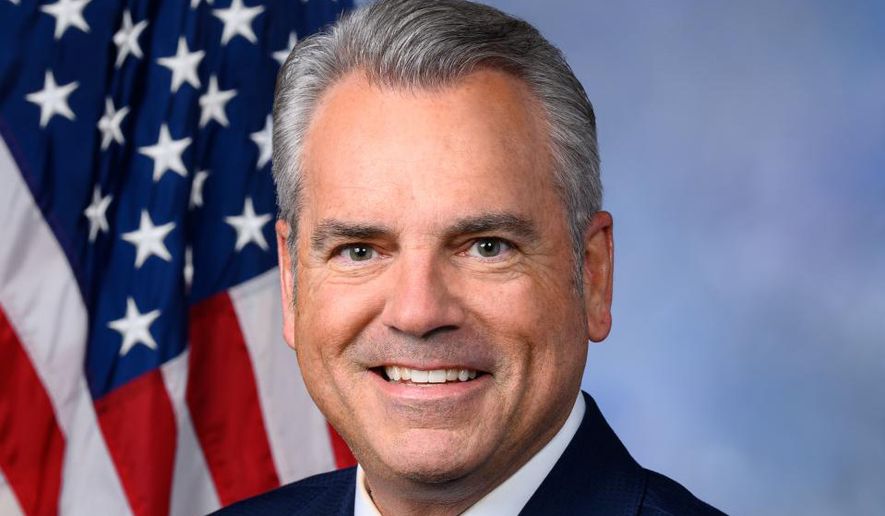
• Rep. Mark Alford represents Missouri’s Fourth Congressional District in the U.S. House of Representatives. He serves on the powerful House Appropriations Committee as well as the House Small Business Committee, where he chairs the Oversight, Investigations, and Regulations Subcommittee.

Please read our comment policy before commenting.