


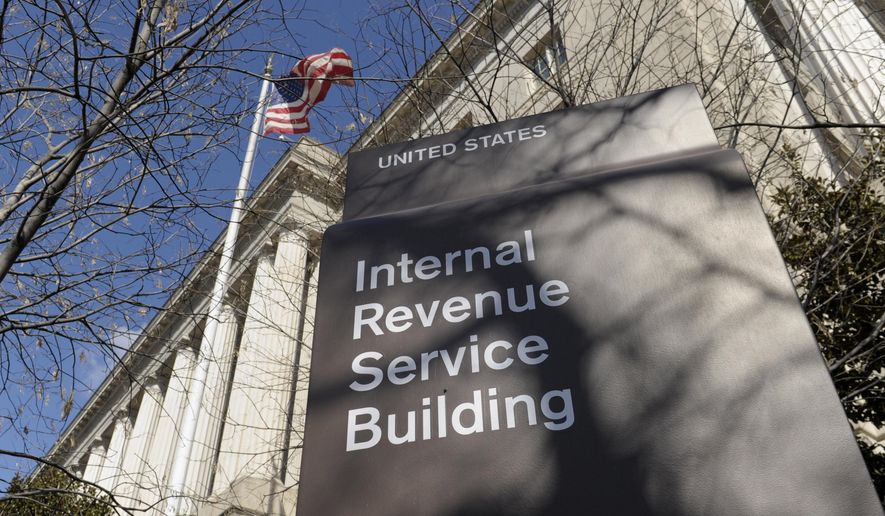

Some 215,000 U.S. government workers — 6.9% of the total workforce — were delinquent on their federal taxes in 2024, the IRS inspector general reported Monday, and said things are steadily getting worse.
About 50,000 of those federal civilian employees failed to file tax returns in multiple years, and more than a thousand workers failed to file returns at least six times during their careers.
All told, the delinquent federal workers owed $2.1 billion as of 2024. Add in retired feds and the numbers looked even worse, with investigators saying the total number of current and former feds late on their taxes was 571,000.
That was up 43% in just three years. They owed a combined $6.3 billion to Uncle Sam.
“While all taxpayers have a responsibility to file appropriate tax returns and pay taxes as they become due, federal employees have a higher responsibility to satisfy in good faith their obligations as citizens,” the inspector general said.
The U.S. Postal Service was the worst, with a 10% delinquency rate and an outstanding balance of $570 million in unpaid taxes for its employees.
The Veterans Affairs Department had a delinquency rate of 7.3%, and its employees owed nearly $380 million.
Civilian Defense Department employees also tallied a delinquency rate above 7%. The Army had more actual delinquencies, though Navy employees actually had a higher outstanding balance.
Homeland Security had a delinquency rate above 5%.
The tax agency blamed the pandemic for the rise in delinquencies, saying it suspended collection notices and levy programs during the recovery.
It began to phase the programs back in as of August 2024 and said it expects the delinquency rate to dip in the future.
The IRS also fired off 427,000 “reminder letters” to federal employees and retirees last summer, and said that seems to have helped, with 59,000 people making payments totaling $58 million.
“While these outcomes cannot be attributed solely to the notice, the results suggest targeted outreach can be effective and will inform future compliance strategies,” said Lia Colbert, commissioner of the IRS’ small business and self-employed division.
The inspector general said the IRS does flag some of the most suspicious cases by looking at people for whom significant income was reported but who failed to file returns for at least three years. But the tax agency lets the cases slip through its fingers.
The audit identified 102 cases where a federal employee had eight years where they earned income but failed to file a return, and 20 cases where employees went nine years or longer.
None of those had been referred to the IRS’s criminal investigations division as of late last year, so the inspector general made referrals itself.
• Stephen Dinan can be reached at sdinan@washingtontimes.com.

Please read our comment policy before commenting.