



OPINION:
America is in a radical season of reconciliation. With the sins of our past increasingly coming to light, the only way we can effectively move forward in unity is if we embrace this pivotal period of reckoning seeking to boldly address America’s centuries of hurt and neglect. Rather than being divided by broken treaties, historical animosity, and ignorance, we must seize the opportunity at hand, as difficult and uncomfortable as it may be. It’s time we begin walking along the forsaken, overgrown road of reconciliation together, America.
America is a great country full of diversity, inclusion, and opportunity, but that doesn’t mean our track record is without flaws. We must deal with America’s shortcomings by focusing on becoming better as a nation. Solely looking at our country’s wrongdoings will not get to the crux of our long-standing issues. To become better, we need unity – to achieve unity, we need to build trust and understanding.
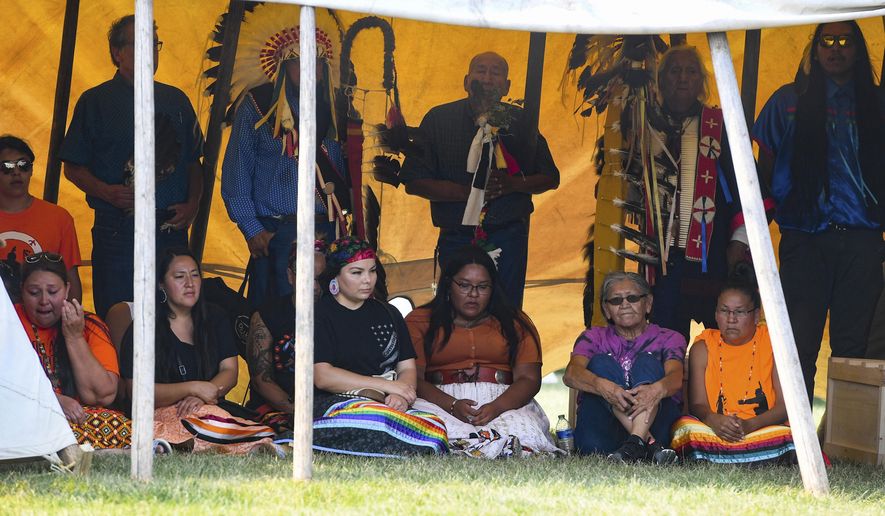
Moves toward anticipated reckoning are already, and thankfully, underway. The public ceremony honoring the return of nine Sioux children’s bodies to the Rosebud reservation after their discovery in Carlisle, Pennsylvania, is just one recent example we can look to.
The returning of Sioux ancestral remains serves as one sincere step America has made toward reconciliation that will if continued, breed unity. For relatives who heart-wrenchingly witnessed their ancestors’ return, being gifted a Rosebud Sioux tribal flag, prayer flag, and an American flag all acted as tangible offerings of forgiveness – an essential component of solidarity our nation so desperately needs.
Rosebud should be a model for us all.
Seeking healing as leaders of The Apology, our end goal is to move President Joe Biden, and his administration to publicly acknowledge an apology that was originally written into the 2009 Department of Defense Appropriations Act as an “Apology to the Native Peoples’’ but was never recognized, let alone formally issued. Even though consideration was taken by being written into law, hurt feelings and unattended-to wounds remain.
For Native Americans, a public apology that goes unacknowledged is worse than one that is never given. Now, It’s time to make amends for centuries of mistreatment and neglect by the U.S.
In a 1957 address, Dr. Martin Luther King urged Americans to recognize that “the end is reconciliation; the end is redemption; the end is the creation of the beloved community. It is this type of spirit and this type of love that can transform opposers into friends.” Healing is possible when we stop ignoring our past and take ownership of our former mistakes, ultimately developing the “beloved community” Dr. King once dreamed of.
Thoughtfully paying our respects and making a genuine effort to notice events that have caused deep-seated hurts and unfortunate outcomes can be a bridge to healing. Mending previous wounds is only possible when we accept our wrongdoings and extend a sincere apology.
We must take time to educate ourselves on historical accounts and listen to the stories of those throughout history who’ve been hurt, mistreated, disappointed, or even those who inflicted pain on others. When we make a continuous effort to understand one another, it can break barriers and create an environment that welcomes healing.
As humans, we easily fall into the trap of resentment or anger. Still, these raging emotions have not and will not lead to a place of healing but only exacerbate the already-existing division in the U.S. History no longer needs to be a dividing force and catalyst of bitterness but rather should provide us with endless educational opportunities and avenues to become more understanding and caring toward one another.
Historically, the U.S. has fallen short of being a pioneer in making amends, but hope remains that America can make up for her mistakes and reach new heights of forgiveness. We desire that our children, grandchildren, and generations to come will one day be able to experience a true sense of peace that can only result from acts of reconciliation.
If we fail to complete the apology now, we rob future generations of an opportunity for a fresh start. The nation’s future is in our hands, and it’s time America sets a precedent for leadership and makes a change toward unity.
• Dr. Negiel Bigpond is a full-blood member of the Yuchi Indian Tribe whose family was subjected to the infamous Trail of Tears. He is currently serving as an Apostle of Morning Star Church of All Nations in Oklahoma. To learn more about and support The Apology movement visit, https://www.theapologynow.com/.

Please read our comment policy before commenting.