



America’s longest war is a half-century old and shows no sign of ending.
In the summer of 1971, President Richard M. Nixon declared “drug use public enemy number one,” signaling the dramatic escalation of punitive measures against users, peddlers and makers of narcotics at home and abroad.
People were interested in these podcasts
Fifty years later, the toll of the all-out effort to criminalize narcotics is staggering.
It has cost more than a trillion taxpayers dollars, yet over the past quarter-century more than 700,000 Americans have died of drug overdoses, said Davidson College scholar Russell Crandall, a specialist in Latin American studies and author of “Drugs and Thugs: The History and Future of America’s War on Drugs.”
Millions of nonviolent drug users have been arrested, filling privately run prisons with addicted people who present no serious threat to public safety. And drug-related violent crime has claimed many thousands of lives.
In this episode of History As It Happens, Mr. Crandall, who served as a national security aide to Presidents George W. Bush and Barack Obama, discusses the drug war’s failures at a time when Americans are having an overdue reckoning on a number of fronts. From the global war on terror to massive economic inequality, people of all political persuasions are questioning the nation’s direction.
Yet the drug war carries on with little accountability or course correction, Mr. Crandall said. The recent wave of lenient marijuana laws is one noteworthy exception.
“Nixon was not concerned about how this would resonate politically. This was very much supported by the American public who said, OK, this was an entirely appropriate response given what drugs are doing to our society right now,” Mr. Crandall said.
And widespread support for criminalization among Americans of both political parties and community leaders of all races continued into the 1980s, he said, as the crack cocaine epidemic began.
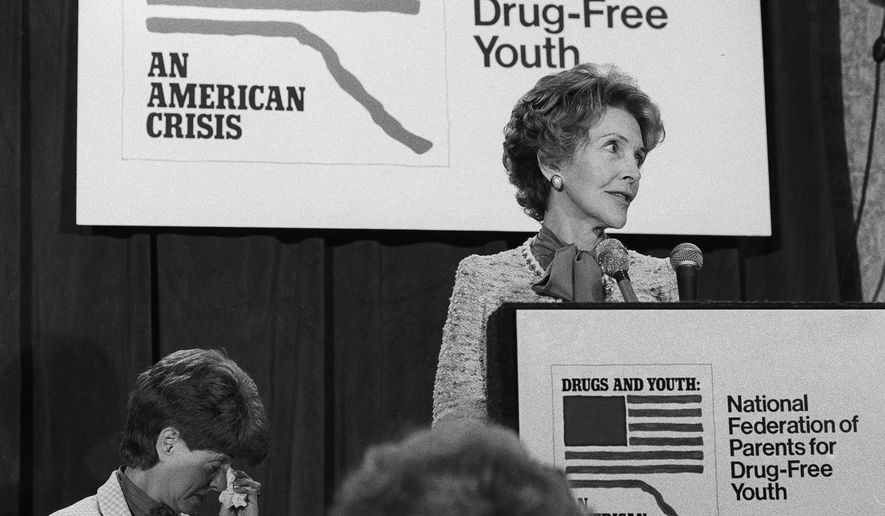
“Numerous members of the leadership of African American communities felt the best thing we could do with crack dealers is lock them up and throw away the key,” Mr. Crandall said of an era remembered by first lady Nancy Reagan’s “Just Say No” admonition.
For more of Russell Crandall’s reflections of “America’s longest war,” listen to this episode of History As It Happens.

