


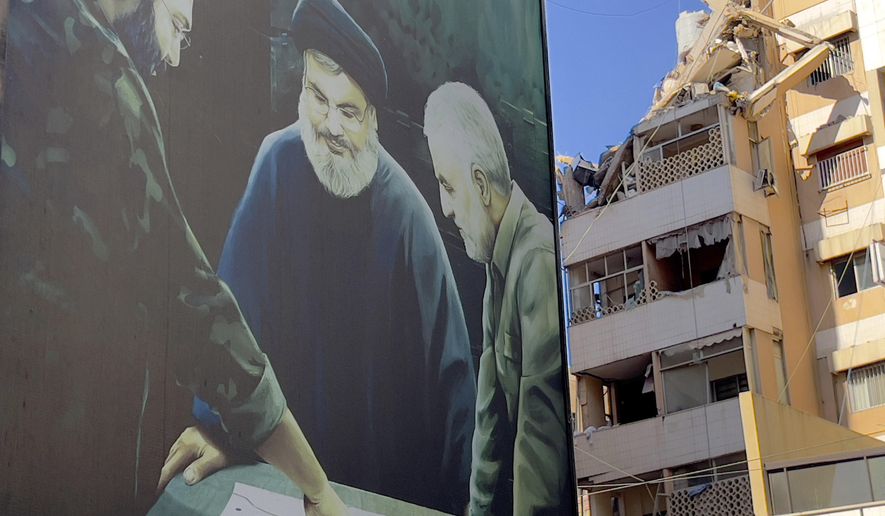

With Hezbollah and its chief backer Iran expected to retaliate for Israel’s assassinations of Hezbollah and Hamas leaders in Beirut and Tehran, a wider war in the Middle East appears a distinct possibility. According to a study by the Center for Strategic and International Studies, the Lebanese Shia militants and Israel have been fighting a low-level war since October with “over 4,400 rocket, missile and other stand-off attacks by Israel and Hezbollah combined.” In such a fraught atmosphere, escalation is a small step.
Hezbollah, designated a terrorist organization by the United States, and Israel have been at odds for decades. The former was formed with Iranian assistance in the early 1980s during the Israeli invasion of Lebanon. The country had already come apart at the seams: The Lebanese civil war had started in 1975 when its fragile sectarian balance was upset by the Palestine Liberation Organization’s presence in southern Lebanon, among other factors.
People were interested in these podcasts
In this episode of History As It Happens, Randa Slim of the Middle East Institute explores the origins of Hezbollah’s popular base and its ideological roots. Its 1985 manifesto makes plain its goal of destroying the state of Israel, although Ms. Slim says Hezbollah leadership understands they cannot militarily defeat the Jewish state, their desire to see it disappear notwithstanding.
“Now they would argue their mission is more relevant, given what has transpired in Gaza… and the actions Israel is conducting against Palestinians in the West Bank. In fact, they would say more than ever their mission of resisting and fighting Israel is relevant,” Ms. Slim said. “They can’t destroy Israel, but they won’t say that immediately.”
History As It Happens is available at washingtontimes.com or wherever you find your podcasts.

