



OPINION:
Earlier this month, the American people provided a clear referendum on the policies and governance of the Biden administration. While the election result may have surprised political pundits and the media, for many state regulators with experience dealing with the administration’s gross ineptitude, it came as no real surprise.
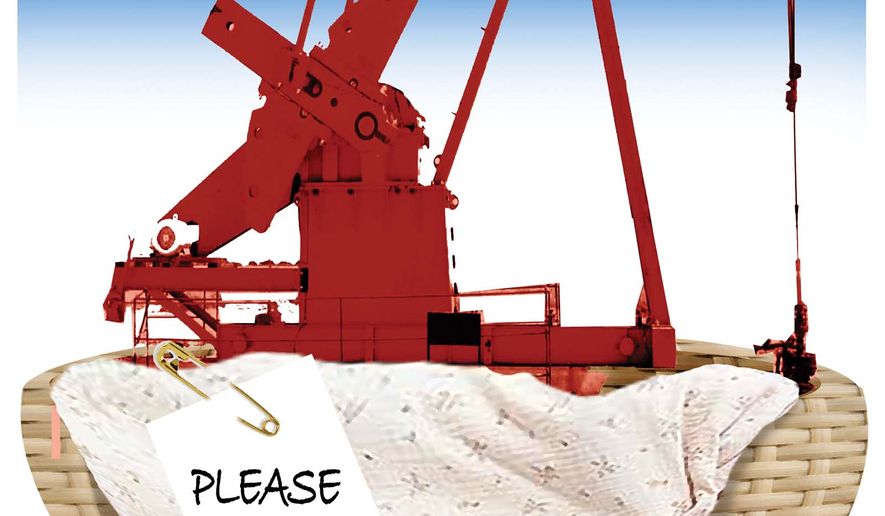
While there are plenty of examples, perhaps none encapsulates the abject failure of leadership more than the Department of the Interior’s management of grant funding for orphan wells, which was included in the Infrastructure Investment and Jobs Act.
When signed into law, the orphan well grant provisions enjoyed broad bipartisan support. The well-intentioned grant program was designed to supplement state efforts and reduce the growing backlog of orphan wells.
People were interested in these podcasts
If it were only so simple.
Things looked promising initially. Many states, including Texas, were able to access and quickly deploy the initial tranche of funding that was available after the legislation was signed into law. Texas plugged 762 wells utilizing $25 million in initial grant funding, in addition to the over 1,000 wells plugged annually with state resources.
Unfortunately, that initial success was short-lived, as the Interior Department piled a litany of added requirements and reviews through the newly created Orphaned Wells Program Office. The subsequent formula grant has not led to similar success due to added terms, conditions and requirements that substantially increase costs and significantly delay completing each plugging.
Methane monitoring raises plugging costs by more than 10% on average.
Compliance with the Endangered Species Act and the National Historic Preservation Act delays plugging approval by a minimum of 30 days and necessitates the hiring of biologists, archaeologists and “cultural monitors,” further increasing plugging costs.
For Texas, these delays have resulted in approximately 50% fewer plugged wells in the first eight months of the formula grant despite having three times as much grant funding available. As of this writing, Texas has not received approval for a single plugging project since Aug. 9, more than 100 days ago.
Delays have real-world consequences. Earlier this year, it was discovered that the site of a soon-to-be-constructed manufacturing facility, which is to bring 1,500 new manufacturing jobs to San Antonio, contained two unknown orphan wells.
Despite the site having already undergone an extensive archaeological survey required by the city and findings by the Texas Historical Commission in August that no historic properties would be affected, the Interior Department continued to delay. By Nov. 6, these delays had become untenable and risked delaying the construction schedule, requiring the state to step in and complete the plugging.
It is worth remarking that the 310 wells plugged by Texas under this formula grant serve as a bright spot for the program, accounting for all but two of the wells plugged nationwide using formula grants through the end of the fiscal year. Unsurprisingly, this fact was excluded from the Interior Department’s annual report to Congress published earlier this week.
Clearly, this program is ripe for reform. I am confident that President-elect Donald Trump’s nominee for secretary of the interior, North Dakota Gov. Doug Burgum, will make the necessary changes to pull this program back from the brink of failure and give states the autonomy and flexibility originally intended by Congress.
Mr. Burgum can start by immediately calling for a review of the Interior Department solicitor’s interpretation of implementation requirements to ensure compliance with the law and congressional intent, revise existing guidance and grant awards to follow the Initial grant precedent and look to the Department of Energy’s implementation of the marginal well-plugging program.
He should move next to eliminate the new Orphaned Wells Program Office created by Interior Secretary Deb Haaland and return program administration to the department’s Office of Environmental Policy and Compliance or enter into an agreement with the Department of Energy to transfer management of these state grants.
This action would align with the incoming Trump administration’s focus on government efficiency while placing oversight of grant funding with an office with proven experience in these matters.
Finally, Mr. Burgum should direct staff to adhere to the Infrastructure Investment and Jobs Act’s initial intention of plugging as many wells as possible by allowing states to utilize voluntary carbon markets to offset plugging costs. This would allow states to stretch taxpayer dollars further to plug more wells.
These decisive actions will not only significantly reduce our nation’s orphan well population but also demonstrate to the American people what reasonable, commonsense governance regarding our nation’s energy and environmental policies can look like.
• Jim Wright serves as one of three elected commissioners with the Railroad Commission of Texas, the state agency with primary regulatory jurisdiction over the oil and natural gas industry in Texas.

Please read our comment policy before commenting.