



Israel’s army on Tuesday began what it called a limited invasion of southern Lebanon. The aim is to eliminate Hezbollah fighters embedded in several villages so that tens of thousands of Israeli citizens may return to their homes in northern Israel without fear of enemy fire.
Cross-border bombardments began on Oct. 8 last year — the day after Hamas terrorists attacked and killed 1,200 Israel civilians, taking others hostage — when Hezbollah launched rockets and artillery at the Shebaa Farms “in solidarity” with Palestinians in Gaza. Thousands of people on both sides of the border have been displaced from their homes in the cycle of retaliation over the past year.
The escalating warfare is evoking comparisons to Israel’s 1982 invasion of Lebanon, when Israel sought to destroy the Palestine Liberation Organization bases in the southern part of the country before driving all the way to Beirut to install a government friendlier to Israeli interests.
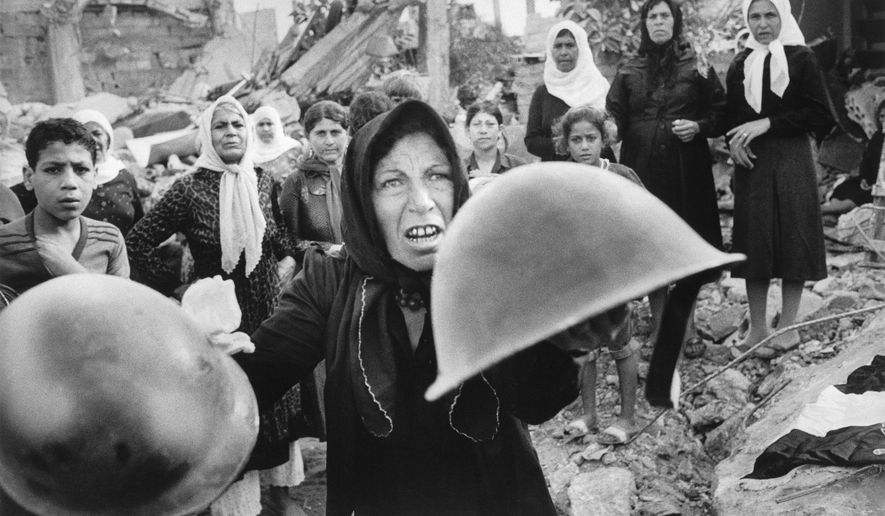
In the summer of 1982, the Israel Defense Forces laid siege to Lebanon’s capital, killing thousands of civilians and drawing a strong rebuke from President Reagan. But the Israeli plan seemed to work until Lebanon’s president-elect, Bashir Gemayel, was assassinated on Sept. 14, just days after the PLO had completed its evacuation and Reagan withdrew the U.S. Marines’ peace-keeping force.
Gemayel’s death provoked an orgy of retributive violence, as a right-wing Christian militia known as the Phalange, which was loyal to Gemayel and notorious for committing atrocities in Lebanon’s civil war, infiltrated the Sabra and Shatila refugee camps in West Beirut and murdered hundreds, if not thousands, of Palestinian civilians. An ensuing Israeli investigation and documentary evidence obtained by historians have determined the IDF was responsible for allowing the Phalangists into the camps and did nothing to curtail the bloodletting.
SEE ALSO: History As It Happens: When Reagan pressured Israel
In this episode of History As It Happens, historian Ahron Bregman, who as an Israeli soldier participated in the siege of Beirut 42 years ago, says the story of Sabra and Shatila should serve as a cautionary tale because the IDF can get stuck in Lebanon again while simultaneously causing massive destruction to Lebanese towns.
“As an occupying force, legally you are in charge of what’s happening. So it was Israel’s responsibility. But then, without Israeli permission, the Phalange could not have moved into the camps,” said Mr. Bregman, who said the international outcry caused by the massacres haunted Israeli politics for years, starting with the ruin of Prime Minister Menachem Begin’s career.
History As It Happens is available at washingtontimes.com or wherever you find your podcasts.

