



“Israel is at war. We didn’t want this war. It was forced upon us in the most brutal and savage way. But though Israel didn’t start this war, Israel will finish it,” Israeli Prime Minister Benjamin Netanyahu said after Hamas fighters broke out of the Gaza Strip and massacred some 1,200 Israeli civilians while kidnapping more than 200 hostages on Oct. 7, 2023.
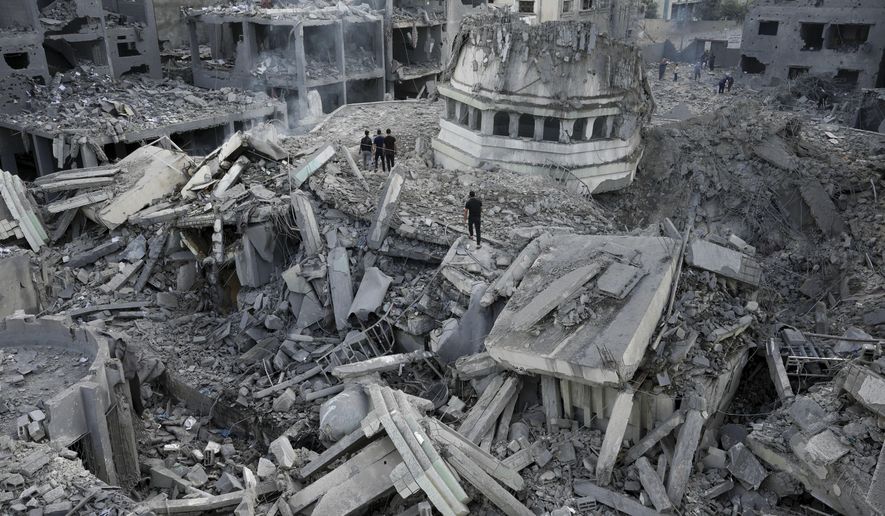
A year later, the war isn’t finished. The Israeli military has destroyed much of Gaza, but Hamas has survived, if weakened. Israeli Defense Forces have now invaded southern Lebanon to attack Hezbollah strong points. The aim is to allow 60,000 people to return to their homes in northern Israel. Those families were displaced by Hezbollah rocket fire that began on Oct. 8, 2023. All efforts at reaching a ceasefire and a hostage deal have failed. An estimated 40,000 Palestinians, including thousands of children, have been killed.
In this episode of History As It Happens, Nathan Brown, an expert on Hamas at George Washington University, delves into the militant group’s ability to survive and its political outlook after a year of war.
“Israel’s goals were really vague in a way that didn’t attract enough attention a year ago. [The goals] were not just destroy Hamas but destroy their military and governance capabilities. What exactly that meant was not clear. I think it was deliberately unclear,” Brown said. “The idea that Hamas would just go away as a military force or a political force never seemed all that likely.”
History As It Happens is available at washingtontimes.com or wherever you find your podcasts.

