



1. What did President Trump say happened to the National Mall?
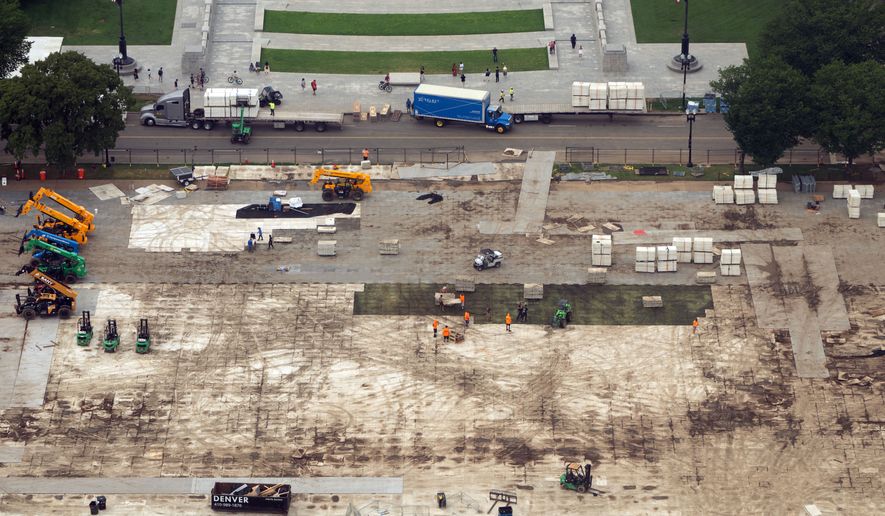
President Trump said on Truth Social that vandals are responsible for large patches of dead, brown grass on the National Mall near the World War II Memorial in Washington. He posted a photo of the damaged turf but did not explain why he believes vandals, rather than trampled grass from a recent event, caused the damage.
2. Why does this location matter?
People were interested in these podcasts
The lawn in question is the same stretch where a large stage and seating areas were built for Trump’s July 4 celebration, which he said drew more than 400,000 attendees. Webcam photos from that event show the structures covering nearly the entire lawn, and later photos show brown, damaged grass after the structures were removed.
3. Who is involved in the broader vandalism dispute?
U.S. Attorney Jeanine Pirro’s office investigated damage to the nearby Lincoln Memorial Reflecting Pool and concluded it resulted from poor construction, not vandalism, prompting Trump to publicly criticize her. Separately, authorities arrested Melissa L. Farris on felony charges connected to vandalism at the World War II Memorial, where the phrase “Clean hands dirty $” was painted and a fountain was filled with bubbles.
4. Does the Farris arrest relate to the grass Trump is describing?
No. Charging documents in the Farris case do not mention the grassy area Trump referenced in his post.
5. What comes next for the Reflecting Pool and this dispute?
Trump said the Reflecting Pool “will be opened again, and better than ever, shortly,” though no specific timeline was given. He has continued to dispute Pirro’s construction-related findings, previously citing a photo posted Aug. 1 that appeared to show the numbers “86 47” — described by federal officials as a threat against him — etched into the grass, though those numbers are not visible in his most recent photo.
For more on this report, read “Trump blames vandals for damaged grass on National Mall” from The Associated Press, published on The Washington Times.
This article was constructed with the assistance of artificial intelligence and published by a member of The Washington Times' AI News Desk team. The contents of this report are based solely on The Washington Times' original reporting, wire services, and/or other sources cited within the report. For more information, please read our AI policy or contact Steve Fink, Director of Artificial Intelligence, at sfink@washingtontimes.com
The Washington Times AI Ethics Newsroom Committee can be reached at aispotlight@washingtontimes.com.

Please read our comment policy before commenting.