



OPINION:
For many Americans, the end of August marks the unofficial end of summer and the return to school.
It is a time often filled with anticipation and anxiety. It also marks the end of National Substance Use Prevention Month, when we raise awareness about the dangers of drug misuse, promote evidence-based prevention to stop drug use before it begins and support communitywide education to protect youths and strengthen families.
Modern drug policy has long relied on a key pillar: the idea that reducing access to drugs reduces drug use. That assumption has shaped systems such as crop eradication, border security and international drug enforcement.
People were interested in these podcasts
Although these efforts remain essential, the drug trade is changing in ways that could reduce the effectiveness of supply-side strategies. In recent years, more than 100,000 Americans have died from drug overdoses annually, driven largely by increasingly potent synthetic substances such as fentanyl and methamphetamine.
Overdoses have finally started to decline, but this progress is fragile and synthetic drugs continue to reshape the market in unpredictable ways.
For one, their clear advantages over plant-based drugs mean that they are likely to become even more widespread. Unlike plant-based drugs that require control over large swaths of land, careful tending and transportation to consumer markets, synthetic drugs are comparatively low maintenance.
They are cheaper to produce, easier to transport, more potent and substantially more profitable.
Today, most synthetic drugs consumed in the United States are manufactured abroad, primarily in Mexico, by transnational criminal organizations. However, as the barriers to producing drugs erode, it is possible that smaller groups or even individual users could begin manufacturing drugs themselves.
Historically, illicit drug production, whether plant-based or synthetic, was controlled by sophisticated criminal organizations with the expertise, infrastructure and supply chains to manufacture and distribute drugs at scale.
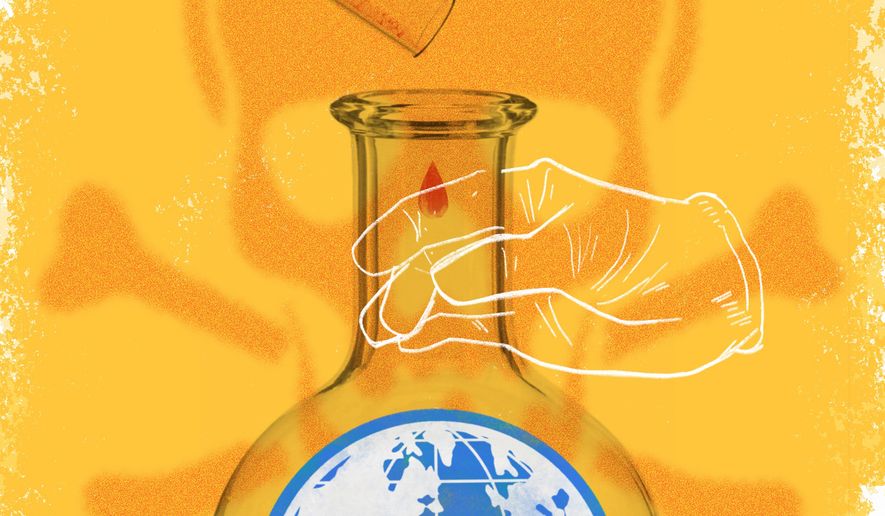
However, continued advances in technology, information and commerce may soon propel us into an era in which individuals can manufacture their own drugs using unregulated dual-use chemicals and instructions readily available online.
Sound far-fetched? We have seen it before. Music, for example, relied on record labels and physical distribution — until digital technology allowed anyone to publish music instantly. Today, virtually all human knowledge can be accessed through the internet. Illicit drug production may be headed for the same kind of disruption, becoming increasingly decentralized and accessible.
Some amateur drug chemists are already engaging in some version of this. Combine that with artificial intelligence and biotechnology, and it may be only a matter of time before do-it-yourself drug production becomes a reality. In this environment, drug prevention will take on even greater importance.
For decades, prevention has focused largely on keeping people, especially young ones, away from drugs. Still, with the decentralization of the drug trade, the traditional barriers to initiating use are becoming less reliable.
Although drugs have never been that hard to find, the idea that anyone anywhere can manufacture illicit ones presents an entirely new challenge and makes prevention vital. When access is no longer an obstacle, individual choice becomes the last meaningful line of defense.
Although there are no guarantees this future will come to pass, the possibility should force us to rethink how we approach drug policy.
In a world where drugs are more accessible than ever before, we must strengthen individuals, families and communities and give them the tools to abstain from drug use. That means investing in evidence-based prevention programs grounded in behavioral science and delivered by credible messengers, including peers.
Prevention must remain the priority, but we should also embrace practical harm reduction strategies to help reduce overdose deaths and connect people to treatment when prevention fails. This means ensuring that naloxone is widely available, expanding drug checking and surveillance, and modernizing treatment and recovery resources.
The good news is that, as a country, we are already trending in the right direction. According to the 2025 Monitoring the Future Survey, today’s adolescents are far less likely to use drugs or alcohol than prior generations. The percentage of students who reported zero use of alcohol, marijuana or tobacco in the past 30 days is at an all-time high, providing a strong foundation on which to build the next generation of prevention efforts.
We must build on that progress and continue telling youngsters that being drug-free is the social norm.
The defining question for the next generation will no longer be whether people can get drugs; it will be whether they choose to use them. We must equip individuals with the knowledge, skills and confidence to make informed decisions about drug use and prepare for a future where the only real option is to “just say no.”
• Jim Crotty is a former deputy chief of staff of the Drug Enforcement Administration. He is an adjunct professor at American University’s School of Public Affairs and sits on the advisory board of the nonprofits United Against Fentanyl and End Overdose.

Please read our comment policy before commenting.