


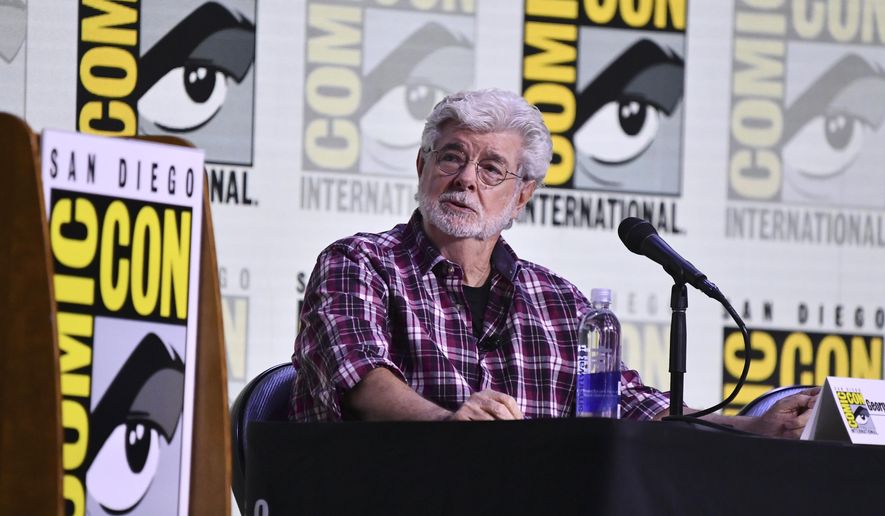

George Lucas, the creator of the “Star Wars” franchise, has thrown his support behind artificial intelligence in filmmaking, calling the technology unstoppable in a wide-ranging interview tied to the coming opening of his Lucas Museum of Narrative Art.
Mr. Lucas, 82, compared resistance to AI to clinging to horse-drawn carriages after the invention of the automobile.
“Artificial intelligence means it’s much easier for us to make movies,” he said, adding that pushback against the shift would not change its outcome. “It’s very much like sitting here saying, ‘Well, I believe the horse and the buggy is really where it’s at. These cars, they break down, they need gas, there’s all kinds of problems with them and pretty soon they’ll be making them into tanks, and then they’ll be killing people. It’s terrible.’ There’s nothing you can do about it. That’s progress, it’s the future.”
People were interested in these podcasts
The filmmaker also argued that AI could help solve problems it creates, suggesting the technology could eventually be used to flag fabricated content and trace its origin, since he believes humans lack the capacity to keep pace with the volume of synthetic media now being produced.
Mr. Lucas used the same interview to criticize the film industry’s reliance on test screenings and audience focus groups, saying such feedback loops let viewers effectively dictate creative decisions rather than trusting filmmakers with a clear vision. He said he trusts input only from longtime peers — naming directors Martin Scorsese, Francis Ford Coppola and Steven Spielberg — because he understands their individual perspectives and biases.
The comments, first published in early July, drew renewed attention this week as entertainment outlets noted the timing against the debut of Tilly Norwood, an AI-generated “actress” set to star in her own feature film. Mr. Lucas’ remarks also touched on his own box-office history, including the backlash he faced over characters such as Jar Jar Binks and the Ewoks in earlier “Star Wars” installments.
Mr. Lucas’s most recent screen credit was as an executive producer on 2023’s “Indiana Jones and the Dial of Destiny.” His last directorial effort was 2005’s “Star Wars: Episode III — Revenge of the Sith.”
This article was constructed with the assistance of artificial intelligence and published by a member of The Washington Times' AI News Desk team. The contents of this report are based solely on The Washington Times' original reporting, wire services, and/or other sources cited within the report. For more information, please read our AI policy or contact Steve Fink, Director of Artificial Intelligence, at sfink@washingtontimes.com
The Washington Times AI Ethics Newsroom Committee can be reached at aispotlight@washingtontimes.com.

Please read our comment policy before commenting.