



1. What happened?
On May 15, armed men stormed an agrarian community in the Oriire area of Oyo state, southwestern Nigeria, abducting 39 children from three schools along with their teachers. One teacher was killed during the abduction, and two others died in captivity. After nearly two months in captivity, the children were rescued on July 10 in a joint operation by the military, intelligence agency and police, which resulted in eight kidnappers arrested and others killed.
2. Who was responsible for the abduction?
Nigerian President Bola Tinubu identified the attackers as Ansaru militants, a breakaway faction of Boko Haram that claims to defend Islamic interests and has grown more active in recent years. A security analyst noted that Ansaru has been building networks in Nigeria’s southwest for many years.
3. What did the children experience in captivity?
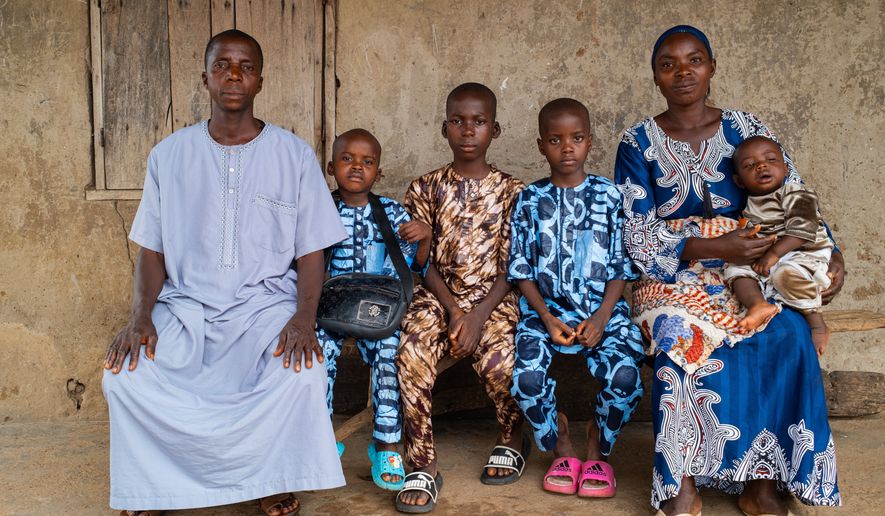
Children and parents described being marched into a vast forest reserve and left exposed to sun and rain without shelter. Survivors recounted being beaten with canes and gun butts, fed only basic meals of rice and palm oil, and said the youngest captives were beaten worst and had their mouths muffled to silence their cries. Families report the children now carry both physical scars and lasting psychological trauma, with some refusing to return to school.
4. Why does this attack matter beyond the immediate community?
The kidnapping marked a troubling expansion of jihadi and armed-group violence into southwestern Nigeria, a region previously spared from such attacks, as groups compete for territory and resources beyond the conflict-torn north. It also exposed how Nigeria’s lightly policed forest reserves serve as corridors and hideouts for armed groups, with one analyst calling for much better surveillance of these areas.
5. What comes next?
Although Tinubu said Ansaru’s informant network was dismantled during the rescue, analysts caution that underlying drivers of insecurity — including corruption and poor governance — remain unaddressed, and Nigeria’s security forces remain overstretched and largely absent from remote communities. Experts warn a “successful” attack could inspire copycat incidents, and while the rescue offers some confidence in Nigeria’s response capabilities, it does not mark the end of insecurity in the southwest or the country as a whole.
For more on this report, read “Children describe how Nigerian militants moving south are seizing more young captives” from The Associated Press, published on The Washington Times.
This article was constructed with the assistance of artificial intelligence and published by a member of The Washington Times' AI News Desk team. The contents of this report are based solely on The Washington Times' original reporting, wire services, and/or other sources cited within the report. For more information, please read our AI policy or contact Steve Fink, Director of Artificial Intelligence, at sfink@washingtontimes.com
The Washington Times AI Ethics Newsroom Committee can be reached at aispotlight@washingtontimes.com.

Please read our comment policy before commenting.