



1. What is happening in Lukianivka, and why is it significant?
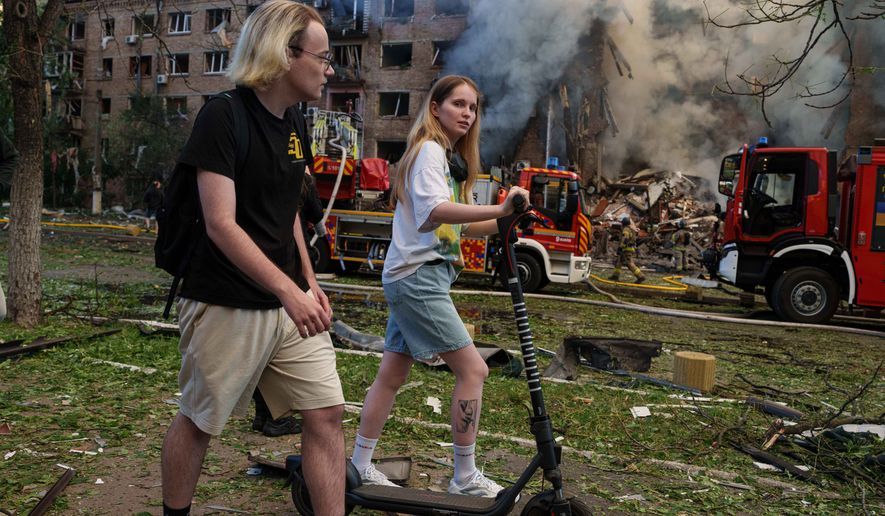
Lukianivka, a historic Kyiv neighborhood, has become one of the Ukrainian capital’s most frequently bombed districts due to Russian strikes. Residents no longer ask whether the area will be hit again, only when, as they navigate daily life amid craters, shrapnel damage and destroyed businesses while choosing to rebuild rather than leave.
2. Why does Lukianivka get targeted so often?
The neighborhood is home to the Artem weapons factory, a Soviet-era plant that became one of the Soviet Union’s leading arms manufacturers and later an important part of Ukraine’s defense industry after independence. Russia says the factory is still producing weapons, though Ukraine has not confirmed this due to wartime restrictions on discussing military manufacturing, and the plant remains one of Moscow’s top targets in Kyiv.
3. Who are the residents affected, and how are they coping?
Residents include real estate agent Dmytro Zhekov, who openly warns prospective renters about the danger zone; produce vendor Alyona Lukianets, who rebuilt her stall from pallets and tarps after her market business burned down; Julia Sosnovska, a displaced Mariupol resident who lives near the weapons factory; barber school owner Vitalii Zhdaniuk; and theater director Mykhailo Miskun, who moved performances underground. Between strikes, people sweep up glass, board up windows, and return to work and daily routines.
4. What happened during the most recent attack referenced in the story?
Sunday’s Russian missile barrage shattered windows across the neighborhood, including at Sosnovska’s apartment, where she fled to a basement shelter with her dog, documents and laptop as explosions continued. She described herself as fortunate, noting that losing windows was “the least you can lose in these attacks.”
5. Does the neighborhood have historical significance beyond the current war?
Lukianivka’s main street follows part of the ancient Via Regia trade route, and the district later became a working-class area of factories and markets, including the Lukianivka prison, which once held former Prime Minister Yulia Tymoshenko. Ukraine’s first McDonald’s opened there in 1997 as a symbol of post-independence rebirth, and the neighborhood’s 19th-century market, destroyed in a May 24 strike, had served residents for generations before its destruction.
For more on this report, read “In one of Kyiv’s most frequently bombed neighborhoods, residents choose to stay” from The Associated Press, published on The Washington Times.
This article was constructed with the assistance of artificial intelligence and published by a member of The Washington Times' AI News Desk team. The contents of this report are based solely on The Washington Times' original reporting, wire services, and/or other sources cited within the report. For more information, please read our AI policy or contact Steve Fink, Director of Artificial Intelligence, at sfink@washingtontimes.com
The Washington Times AI Ethics Newsroom Committee can be reached at aispotlight@washingtontimes.com.

Please read our comment policy before commenting.