



Don’t miss the full story from our staff writers, whose reportage is the basis of this article.
Nearly 1 in 5 workers tested positive for illicit drugs last year, as rising marijuana use fueled a broader increase in “persistent long-term” substance abuse across the American workforce, according to a new report from Quest Diagnostics. The nation’s leading drug-testing lab found that the share of employees testing positive on hair screenings for substances such as marijuana, cocaine and opiates climbed from 13.1% in 2021 to 19.1% in 2025.
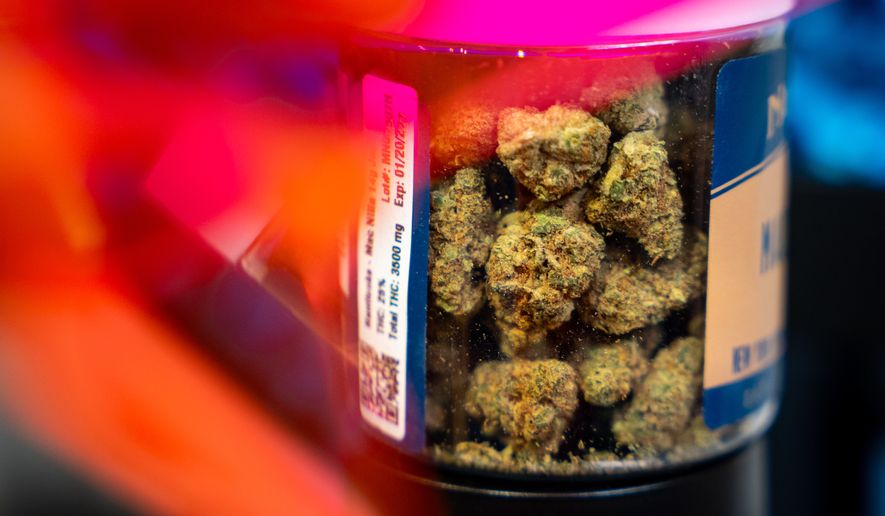
Quest identified cannabis as the “primary driver” of the increase, noting it accounted for 52.5% of positive hair tests last year, with marijuana-positive results rising 58.9% over the period, from 9.5% to 15.1%. Jason S. Hudson, Quest’s scientific and laboratory director, told The Washington Times that chronic marijuana use “may impair judgment, reaction time and decision-making in ways that aren’t always obvious day-to-day.” Cocaine and methamphetamine positivity rates rose more modestly over the same period.
Quest emphasized that hair testing detects drug use over the preceding 90 days, making it more reliable than urine or saliva tests, which are more easily manipulated and only capture recent use. Pre-employment marijuana positivity rose 49.5% from 2021 to 2025, while randomized workplace hair testing positivity increased 14.8%.
The findings drew mixed reactions. Cannabis advocates, including Texas-based Jerry Joyner, argued that hair tests don’t prove workplace impairment, while Demitri Downing of the Marijuana Industry Trade Association contrasted cannabis testing with alcohol testing’s focus on real-time impairment. Health experts, however, countered that marijuana can impair reaction time and memory for up to 10 hours after use.
Healthcare workers had the highest overall drug-positivity rate at 5.8%, while retail trade had the highest marijuana positivity rate at 7.6%. Stanford addiction researcher Keith Humphreys linked the trend to marijuana legalization, which he said has increased the drug’s potency and availability. AAA-cited data showed THC-positive fatal crash rates in Washington state doubled after recreational legalization.
Workplace experts urged employers to focus on documented impairment rather than blanket firings, while addiction specialists noted today’s cannabis products are far more potent than those of past decades. Marijuana remains federally illegal, though the Trump administration reclassified state-licensed cannabis in April and is weighing a broader rescheduling, a move Smart Approaches to Marijuana CEO Kevin Sabet called “reckless” for safety-sensitive industries like trucking and aviation.
Read More: Report finds 1 in 5 workers testing positive for drugs after increased marijuana use
This article was constructed with the assistance of artificial intelligence and published by a member of The Washington Times' AI News Desk team. The contents of this report are based solely on The Washington Times' original reporting, wire services, and/or other sources cited within the report. For more information, please read our AI policy or contact Steve Fink, Director of Artificial Intelligence, at sfink@washingtontimes.com
The Washington Times AI Ethics Newsroom Committee can be reached at aispotlight@washingtontimes.com.

Please read our comment policy before commenting.