



OPINION:
Artificial intelligence (AI) is changing how Americans learn and work. From classrooms to job sites, AI tools are becoming more powerful and common in our daily lives, redefining how we educate our nation’s students and how Americans build careers.
As Chairman of the Education and Workforce Committee, I was honored to recently host the student regional winners of the Presidential AI Challenge on Capitol Hill and see how young innovators are using AI to improve their communities, help their neighbors and improve learning experiences.
Seeing their work was a powerful reminder that AI is not a distant challenge. AI is already changing classrooms and workplaces across the country.
We must ensure that students are prepared, workers can adapt and employers have the talent they need, all while addressing potential risks like job displacement and weakened academic standards. To better understand how AI is currently being used, and how it could be used more effectively in education and workforce systems, the committee has held a series of hearings on “Building an AI-Ready America.” These hearings have brought together a diverse group of witnesses, including state education leaders, industry heads from OpenAI and Microsoft, education technology innovators and workforce development experts to discuss how AI is reshaping K-12 education, higher education and the American workforce.
In education, AI is already helping teachers spend less time on paperwork, personalize learning for students’ unique needs, and provide real-time feedback. Simply put, teachers get to spend more time doing what they love: teaching. These tools can help students build a strong foundation so they can succeed even after the classroom.
At the same time, schools must navigate challenges such as maintaining academic integrity and preventing overreliance to ensure that AI complements, rather than displaces, the human elements of teaching and learning.
For workers, AI can help build new skills, increase efficiency and expedite learning on the job. These developments can contribute to long-term productivity gains and create new opportunities for workers to advance in their careers. Ensuring that workers have access to training, upskilling, and pathways to emerging fields will be essential.
As AI reshapes job requirements, many existing workforce programs, especially those designed for a different era, face pressure to keep pace. Strengthening skills-based education, supporting employer-driven training and improving the alignment between training providers and industry needs will be essential to preparing Americans for the jobs of tomorrow.
We also need better information about what’s happening in the job market. Our current workforce data struggles to capture how AI is already changing the way work is being done. This is a concern we’ve heard from job creators, and workers feel that uncertainty as well. An effective response to AI-driven shifts will require a clearer picture of which skills employers need, how jobs are changing, and where new gaps are emerging.
Last month, the Committee advanced my legislation, AI Workforce Assessment and Research Enhancement Act, or AWARE Act for short, to close this critical data gap. This legislation will provide the clarity necessary to support workers, guide training, and ensure the United States stays at the forefront of technological innovation.
AI should strengthen, not destabilize, our education and workforce systems, and many educators and employers are already showing how that can be done responsibly. We have an opportunity to help America lead by preparing students for the jobs of tomorrow, encouraging innovation, and making sure AI expands opportunity rather than limits it.
If we get this right, AI won’t just change the futureit will create more opportunity for more Americans.
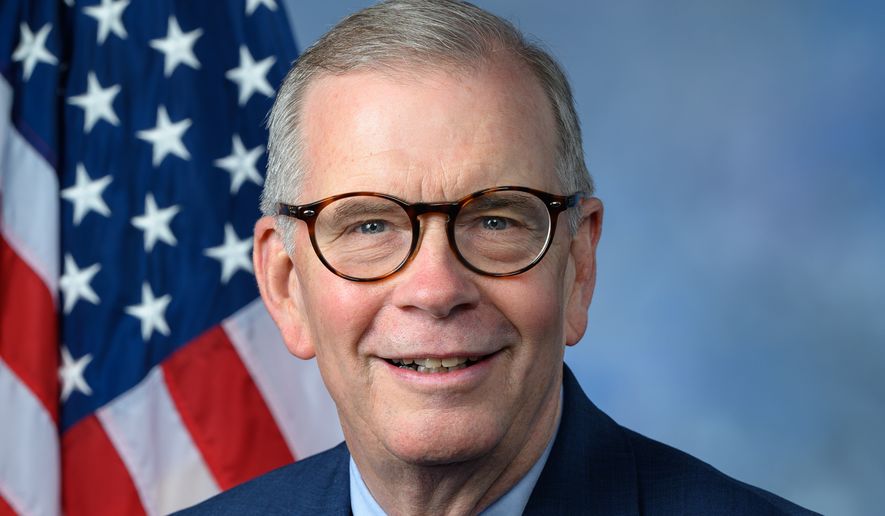
• Rep. Tim Walberg, the Dean of Michigan’s Congressional delegation, is currently serving his ninth term in Congress as the representative of southern Michigan. He chairs the Education and Workforce Committee and is a member of the Natural Resources Committee.

Please read our comment policy before commenting.