



OPINION:
Building has always been at the heart of the American Dream, not just as an economic driver, but as the way communities take shape, families put down roots, and opportunity is passed from one generation to the next.
Roads, schools, housing, and infrastructure are more than projects on paper; they’re the foundation of daily life and the promise of progress made real.
Yet too often, that promise runs into a frustrating reality. Washington often preaches the importance of investing in infrastructure and revitalizing communities, but when projects move from concept to construction, the government throws a bunch of red tape and delay at people who are spending their own money to try and make a dream happen.
People were interested in these podcasts
In many cases, especially in a state like Florida with its sensitive environment, projects require permits from both the federal government and the state to ensure they are built responsibly and with strong environmental protections in place. Historically, the Florida Department of Environmental Protection has played a key role in that process, helping administer “404 Permits” on behalf of the federal government. That partnership has allowed projects to move forward efficiently while still safeguarding Florida’s natural treasures. In 2024, however, a single federal judge took that authority from Florida, which caused projects like schools and fire houses to restart the entire process. And this may not surprise anyone: the federal government is very slow and often bad at what it does. This suit, by the way, was brought on behalf of environmental crazies who want it all shut down the kind of people who want mankind back in the caves so the butterflies and the bears can dance to whimsical music in the forests like one of those movies where everyone breaks out into song and dance. Total fiction.
Environmental protection is essential, but there’s got to be a balance. When the regulations become so complex that it delays housing, schools, public safety, and basic infrastructure, the system is no longer working as intended. Florida has shown there is a better way by doing the federal permitting on the state level. This approach allows projects to move forward more quickly, with greater predictability, and often at lower cost after all, time is money. The result is more housing for families, faster construction of essential public facilities, and stronger confidence in future investments.
That’s why I worked to include essential provisions in the PERMIT Act, a commonsense effort to restore clarity and accountability to the permitting process by setting reasonable timelines, reducing unnecessary delays and improving consistency in how projects are reviewed.
Right now, too many projects are slowed by overlapping requirements, unclear expectations, and prolonged litigation that can stretch for years. This legislation addresses that breakdown without weakening environmental protections. Reviews remain rigorous, but they are guided by clear timelines and defined expectations so they cannot drift indefinitely or trap projects in limbo.
Because the Democratic party is so beholden to the environmental crazies, agencies were essentially weaponized to shutdown projects through bureaucratic malaise. President Donald Trump, however, who knows how to build things, has made it clear that America needs more roads, more housing, more of everything, to meet the needs of our country.
At its core, the PERMIT Act is about restoring balance to how we build in this country. Our country has always been a nation of builders and problem-solvers, capable of turning shared priorities into lasting progress. But that tradition weakens when outdated processes slow action to a crawl. It is time to cut the red tape, trust our states, and make it possible to build again with clarity and purpose. Because when building stalls, communities wait, and the future does too.
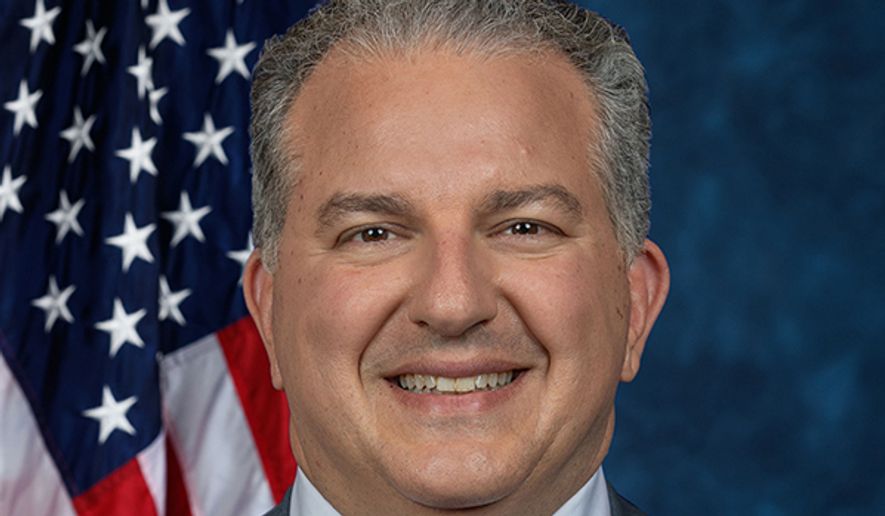
• Jimmy Patronis Jr. proudly represents Florida’s 1st District in the Panhandle. A fourth-generation Floridian and man of faith, he’s a strong advocate for the Second Amendment, veterans and first responders. He’s a member of the House Transportation and Infrastructure Committee.

Please read our comment policy before commenting.