



OPINION:
Not long ago, flying in the United States symbolized efficiency, civility, and confidence in a system that works. Today, delays, Democratic-driven shutdowns, close calls and ongoing disruptions have chipped away at the system, making flying more of a hassle and even concerning for some consumers. However, a concerted effort is being led to restore what many remember as the golden era of American air travel. Under the leadership of President Donald Trump, Transportation Secretary Sean Duffy and FAA Administrator Bryan Bedford, we are focused on restoring not only the flight experience, but reliability and safety as well.
Safety in aviation starts with two key factors: hiring new air traffic controllers and investing in modern air traffic control systems. President Trump inherited an aging system, created in the 1950’s-70’s which more resembles the original Macintosh than it does today’s modern computing systems. This new system, the Brand New Air Traffic Control System (BNATCS), will significantly change the industry, using additional technology to assist traditional radar tracking systems. It will unlock potential, utilize modern computing and AI to save time and resources. Not only will this new system make it safer to fly, but it should also help prevent costly delays negatively impacting travel in all major airports. By making the travel system timely, the Trump administration is making the overall air travel experience more pleasurable.
Replacing current air traffic control systems is a major undertaking, but it is necessary to meet the demands of modern travel. The Federal Aviation Administration (FAA) is working to overhaul core infrastructure, including radar, software, hardware and telecommunications networks. To meet the goal of implementing a brand-new system by 2028, the Department of Transportation and FAA have expedited the procurement process and introduced a first-of-its-kind contract that incentivizes results and holds contractors accountable for missed deadlines and performance issues.
People were interested in these podcasts
This modernization effort is built around several key areas, including communication systems that allow FAA to share information between air traffic control facilities and pilots, surveillance systems that track aircraft in the sky and on the ground and automation tools that help controllers manage traffic safety and efficiency. It also includes upgrades to physical facilities and targeted investments in regions like Alaska, where additional infrastructure is needed to improve aviation safety.
The scale of these upgrades reflects the urgency of the problem. Plans include installing more than 27,000 new radios, over 5,000 high-speed network connections across fiber, satellite and wireless systems, and more than 600 modern radars. The system will also include over 400 new digital voice switches, additional weather stations and the construction of the first new Air Route Traffic Control Center since the 1960s.
However, it is not only the radar which needs modernization, but also the communications system. The incident at Newark Liberty International Airport in 2025, in which communications suddenly went down, highlighted this vulnerability. In many ATC towers, copper wires are still used in our communications relays. Transportation Secretary Duffy admitted that the system for managing air traffic at Newark is “incredibly old” and “frail,” relying on floppy disks and copper wires instead of more modern fiber wires. This is not dangerous and not sustainable.
All of this is concerning. But thankfully, the Trump administration is taking action, rather than ignoring the problem.
Another prong of making air travel great again is recruiting new air traffic controllers. As an Oklahoman, I am incredibly proud of the work being done at the Mike Monroney Aeronautical Center (MMAC), which is training the next generation of ATCs. The FAA recently surpassed its fiscal year 2025 hiring goal, bringing on more than 2,000 new controllers, and it is important we continue recruiting and training year after year to keep pace with growing demand and ensure long term safety.
Recently, I had the incredible honor of hosting FAA Administrator Bedford at MMAC. His visit was the first by an FAA administrator in over a decade, showcasing the focus this administration has on supporting this crucial institution. While on the tour we witnessed the incredible work happening daily in Oklahoma City, where hard-working individuals are streamlining logistical procedures and repairs, ultimately saving taxpayer dollars. The center also utilizes new innovative technologies and systems, funded by the One Big Beautiful Bill, to help prepare the next generation of aviation professionals.
Together, these efforts represent a long-term investment in restoring confidence in American aviation. By modernizing infrastructure and strengthening the workforce, we are taking meaningful steps toward making air travel safer, more efficient, and more reliable for passengers across the country.
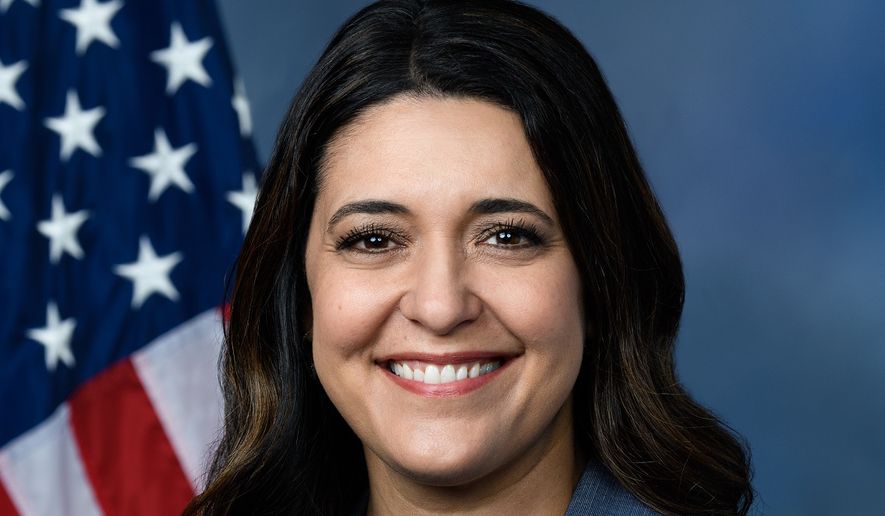
• Rep. Stephanie Bice is a fourth-generation Oklahoman currently serving as the U.S. Representative for Oklahoma’s 5th Congressional District. She serves on the Appropriations Committee, where she was named Vice Chair of the Transportation, Housing, and Urban Development Subcommittee. Additionally, she is the Chairwoman of the Subcommittee on Modernization and Innovation within the Committee on House Administration. Bice was also named to a seat on the United States Military Academy at West Point Board of Visitors.

Please read our comment policy before commenting.