



OPINION:
Across Western and Southern Colorado, infrastructure does not always look the way people in Washington think it does.
For rural communities, infrastructure can mean a single regional flight that connects a town to the rest of the country. It can mean a runway that allows local businesses to reach customers, hospitals to receive critical access, or tourists to reach the communities that depend on outdoor recreation and travel to support local jobs.
When those systems work, communities stay connected and local economies can grow. When they fall behind, rural communities feel the impact immediately.
People were interested in these podcasts
That is why airport infrastructure matters in places like Colorado’s Third District.
Airports across the country face nearly $175 billion in infrastructure needs over the next five years. For rural and mid-sized communities, meeting those needs is not about luxury projects or flashy announcements. It is about maintaining reliable service, modernizing aging facilities, improving safety, and ensuring communities are not left isolated because of geography.
Federal policy should help make that possible.
One tool that has helped do that is the Transportation Infrastructure Finance and Innovation Act, or TIFIA. For years, TIFIA has helped finance major transportation projects through flexible, low-cost federal loans. The Bipartisan Infrastructure Law temporarily expanded that financing model to airports, giving them access to a tool that had already proven successful for other transportation projects.
But that authority expired.
The problem is that airport infrastructure projects are planned years in advance. Communities cannot responsibly move forward on major upgrades when financing tools appear and disappear depending on the political cycle in Washington. When that certainty disappears, projects stall, costs rise, and rural communities are left waiting.
That is why I introduced the Airport TIFIA Financing Certainty Act with Rep. John Garamendi, D-Calif.
This legislation restores and strengthens a financing tool that allows airports to invest in critical infrastructure while reducing unnecessary burdens on local taxpayers.
Just as importantly, it improves how the program actually works.
Right now, too many airports face barriers that have more to do with navigating federal bureaucracy than whether a project makes sense. Lengthy review timelines, rigid financing thresholds and unnecessary procedural hurdles can delay projects even when local demand and financing are already in place.
Those delays matter.
In rural communities, when projects are delayed, costs increase. Construction timelines stretch. Opportunities are lost. And communities that are already working with limited resources fall further behind.
This legislation addresses those challenges directly by expanding eligibility for airport projects, removing barriers that keep viable projects from accessing financing and increasing the threshold for expedited review so more mid-sized projects can move forward without getting trapped in unnecessary delays.
The focus should be on whether a project is financially sound, regionally important and capable of delivering long-term value — not whether it can survive layers of bureaucracy.
That is especially important in rural America.
In Grand Junction, that could mean expanding infrastructure to keep pace with passenger growth and economic activity. In other communities across the West, it may mean upgrading safety systems, improving reliability or modernizing facilities that communities depend on every day.
The projects may differ. The principle does not.
Infrastructure policy should be measured by results.
Too often in Washington, success is measured by how much money gets announced or how many programs are created. But communities do not experience infrastructure through press releases. They experience it through whether projects actually get completed and whether systems work when people rely on them.
We have seen the consequences when that follow-through is missing. Projects get authorized but never delivered. Funding is promised but delayed for years. Federal processes become so complicated that communities spend more time navigating paperwork than building infrastructure.
Over time, that erodes trust.
The answer is not always creating another new federal program. Sometimes the better approach is making existing tools work the way they were intended to work in the first place.
That is what this legislation does.
The Airport TIFIA Financing Certainty Act restores a proven financing tool, improves its function, and gives airports the predictability they need to responsibly plan for the future.
For communities across Colorado’s Third District, that matters.
Reliable air service supports economic development, strengthens access to health care, supports tourism, and helps ensure rural communities stay connected to the rest of the country. In a district as large and rural as ours, that connectivity is not optional.
It is essential.
And ultimately, the measure of infrastructure policy is not how many federal programs exist on paper.
It is whether the runway is safe. Whether the terminal can handle demand. Whether families, workers, and businesses can depend on reliable service.
That is the standard we should be focused on delivering.
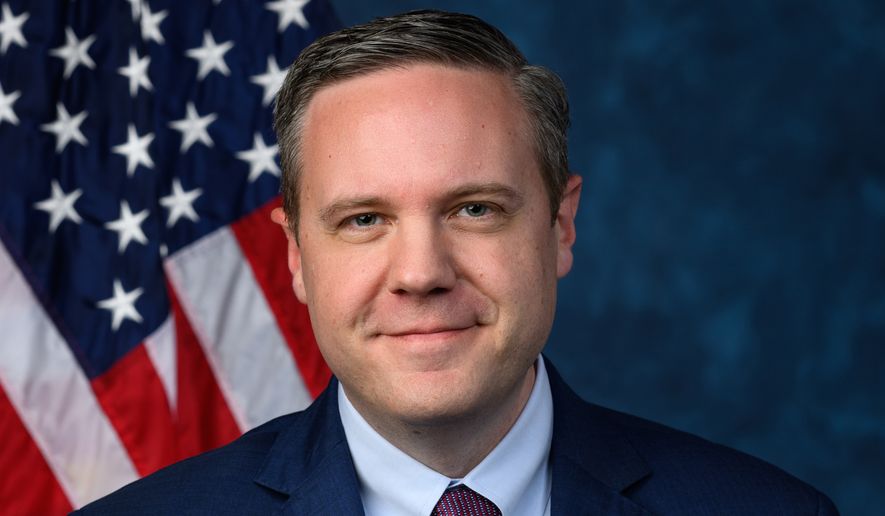
• Rep. Jeff Hurd represents Colorado’s 3rd district, one of the most stunning and diverse regions in the country. He serves on three key House committees: Natural Resources, Transportation and Infrastructure, and Science, Space and Technology.

Please read our comment policy before commenting.