



The Senate late Thursday passed bipartisan legislation to overhaul the federal permitting process in an effort to speed up domestic energy development and lower costs for consumers.
The Bipartisan American Affordability and Jobs Act, or BAAJA for short, updates the National Environmental Policy Act, the Clean Water Act, the Endangered Species Act and the National Historic Preservation Act to streamline reviews and approvals needed to build major projects across the U.S.
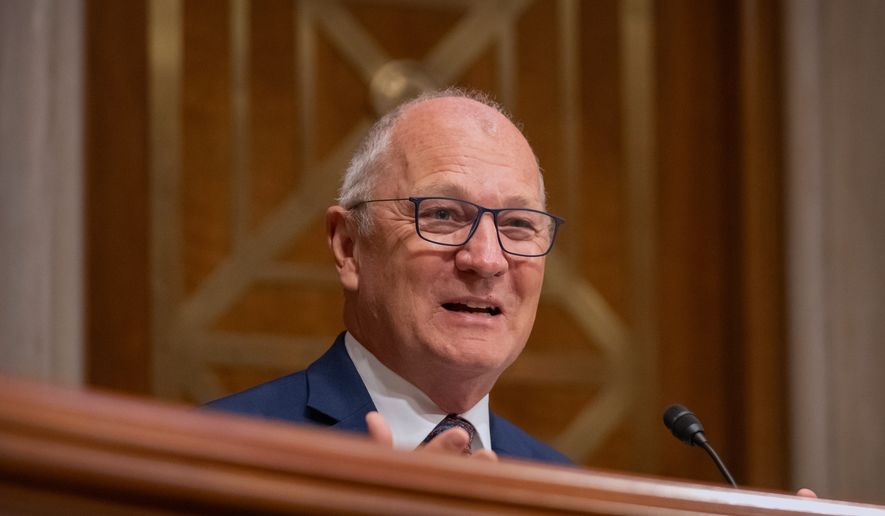
“The vast majority of this body has rallied around this bill because it provides certainty for everyone,” said Sen. Kevin Cramer, North Dakota Republican. “Oil producers in North Dakota and Alaska and offshore wind projects in Rhode Island will benefit just as much as manufacturers and roads and bridges from coast to coast.”
People were interested in these podcasts
The White House Council of Economic Advisers estimates the measure will result in $82 billion to $164 billion in additional economic output each year. For the average household, that will translate to wage increases of $306 to $637 and electric bills that are $178 to $251 lower.
“This landmark bill will benefit every American through more affordable energy, more jobs and a stronger economy,” said Sen. Shelley Moore Capito, West Virginia Republican and the Environment and Public Works chairwoman.
The final 62-33 vote tally was lower than it would have been had senators been able to make changes to the bill.
Negotiators had agreed to allow amendments from both parties, including a manager’s amendment addressing the most sweeping concerns, but could not get unanimous consent from all 100 senators to hold those votes.
The bill passed without any of the changes senators negotiated in recent days. Only ones that made it into a substitute amendment adopted earlier in the debate were included.
The legislation now heads the House. Leaders there face a choice between altering the bill and sending it back to the Senate, or allowing an up-or-down vote on sending it to President Trump’s desk for his promised signature.
Lawmakers have been working for years to overhaul the federal permitting process and BAAJA is the most substantive product offered to date that has a shot at becoming law.
But it still has its detractors in both parties: Democrats who say it goes too far in curbing environmental and preservation reviews, and Republicans who had concerns about an over-concentration of federal power.
The leaders of the Senate Environment and Public Works Committee and the Senate Energy and Natural Resources Committee negotiated the bill before the midterm election and said it was a balanced compromise that should hold regardless of the voting outcome.
Democrats flipped dozens of GOP seats across the country and will take control of the House and Senate in January.
Some Democrats say they should wait until the new Congress to negotiate a better permitting deal. Others argue Mr. Trump may not be willing to renegotiate and they should take what they can get now and work toward improvements later.
Contact the author


Please read our comment policy before commenting.