




Spanish voters on Sunday handed a coalition of right-wing parties a victory over Prime Minister Pedro Sanchez’s center-left Socialist Party, a notable defeat for one of Europe’s most outspoken critics of President Trump.
Alberto Núñez Feijóo’s People’s Party and Santiago Abascal’s far-right Vox party were poised Sunday to form a coalition with enough support to overtake Mr. Sanchez’s Socialist Workers’ Party.
Mr. Sanchez’s party had 117 seats to PP’s 133, according to early results on Sunday afternoon.
People were interested in these podcasts
After elections in Spain, a government is formed and a prime minister chosen during debate in the 350-seat Congress of the Deputies. Since it is unlikely that any one party will grab a majority of the seats, 176, a VOX-PP coalition government is expected.
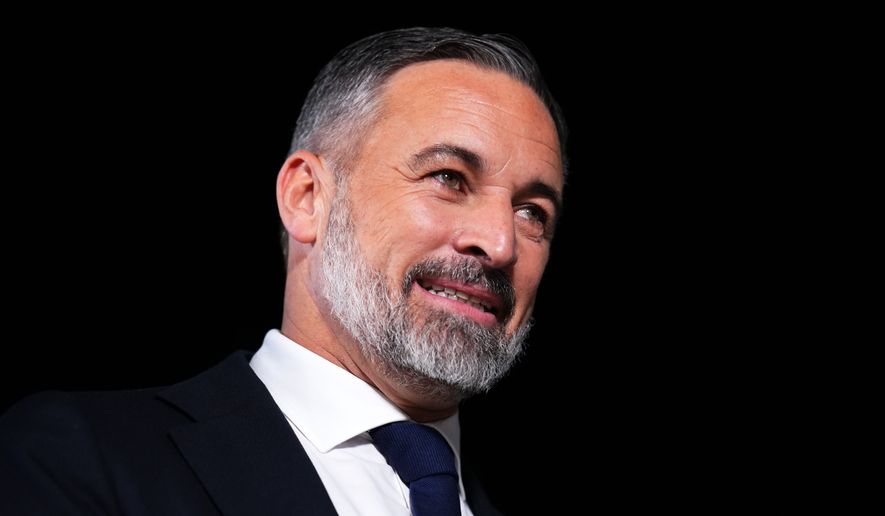
The PP and Vox are the most strategically aligned parties running in the Spanish election, with candidates from both parties promising to cut corruption and regulations while pushing back against Mr. Sanchez’s lax immigration platform.
Both parties also agreed not to run candidates against the nationalist party in certain races to maximize a right-wing coalition. Both Vox and the PP support increasing defense spending. The Spanish newspaper El País last week projected an 83% probability of a Vox-PP governing coalition.
Mr. Sanchez’s defeat comes after a risky decision to call a snap election in October following national protests over the high cost of housing. His party had proposed housing measures in Parliament earlier this year but saw them struck down by a party within his governing coalition.
In addition to his legislative defeat, Mr. Sanchez has overseen several corruption scandals, two major rail accidents that killed nearly 70 people and a 2025 nationwide blackout that left thousands of people without power.
His plan to regularize half a million immigrants also faced domestic and international pushback.
In July, a massive border crossing saw over 70,000 migrants from Africa enter Spain from Morocco. The incident overwhelmed facilities on the ground and resulted in at least a dozen deaths. Residents of the Ceuta province in southern Spain expressed frustration with the Sanchez government citing slow deportations and lackluster security at the border.
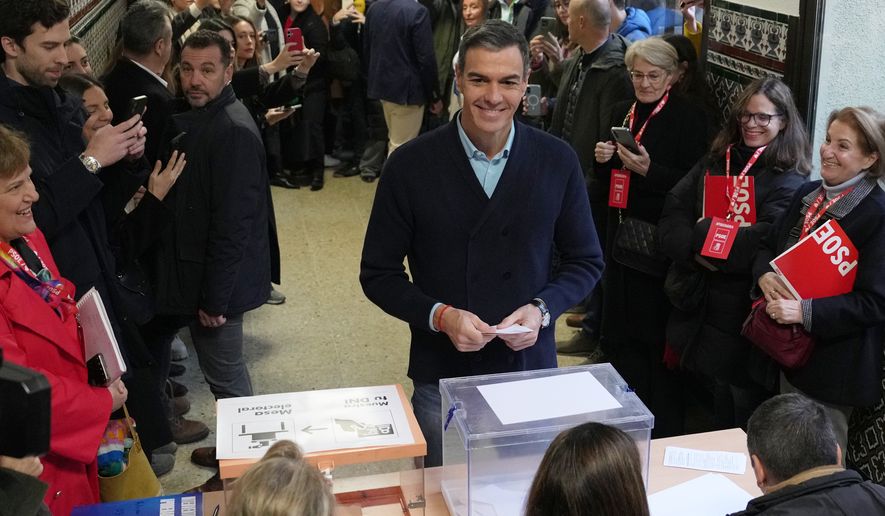
Ceuta’s frustrations translated across the country, where immigration became one of the central issues of the election.
Mr. Sanchez was one of Europe’s most outspoken opponents of Mr. Trump, with the two often clashing over the Iran war, tariffs and defense spending.
Most notably, Mr. Sanchez in February barred U.S. forces from using the jointly operated Rota and Morón military bases for operations against Iran. Mr. Trump in response called Spain a “terrible partner” and threatened to shut off all trade to the country.
Contact the author


Please read our comment policy before commenting.