


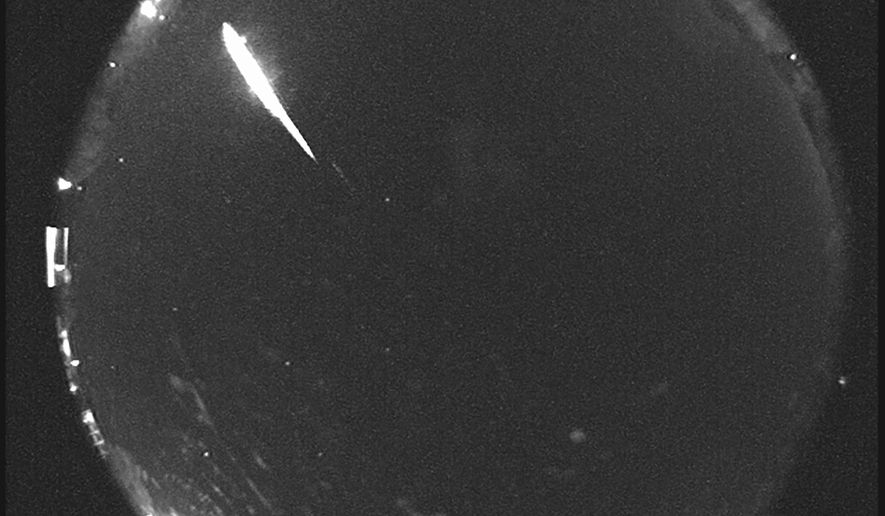

The annual Taurid meteor showers are visible from anywhere on Earth unless you live at the South Pole. Here is where, when and how you can see the annual night-sky event.
The meteor shower period is broken into two categories: the Northern and Southern Taurids. This year, the Southern Taurids will peak on Thursday, and the Northern Taurids on Nov. 12. The names of the Taurid patterns stem from the Earth’s passage through the corresponding meteor stream in space.
The phrase “Taurid” comes from the constellation of the radiant point from which they originate, in this case, Taurus. To find Taurus, look just northeast of the constellation Orion, but do not keep your eyes fixed on that one spot; the meteors will be visible all over the night sky.
People were interested in these podcasts
Moonlight conditions are expected to be favorable for viewing, with dark skies during the peaks, according to Space.com. For prime stargazing, go to the darkest spot possible and give your eyes around 30 minutes to adjust.
The best time to view them is around midnight when they are at their brightest. Particularly bright Taurid “fireballs” are not expected to be prominent this viewing season.
Taurid meteors are expected to be viewable through Dec. 2.

Please read our comment policy before commenting.