



CAIRO — Libya’s parliament unanimously approved a contested maritime agreement with Turkey on Tuesday, reversing years of opposition and reviving a dispute with Egypt, Greece and Cyprus over rights in the eastern Mediterranean.
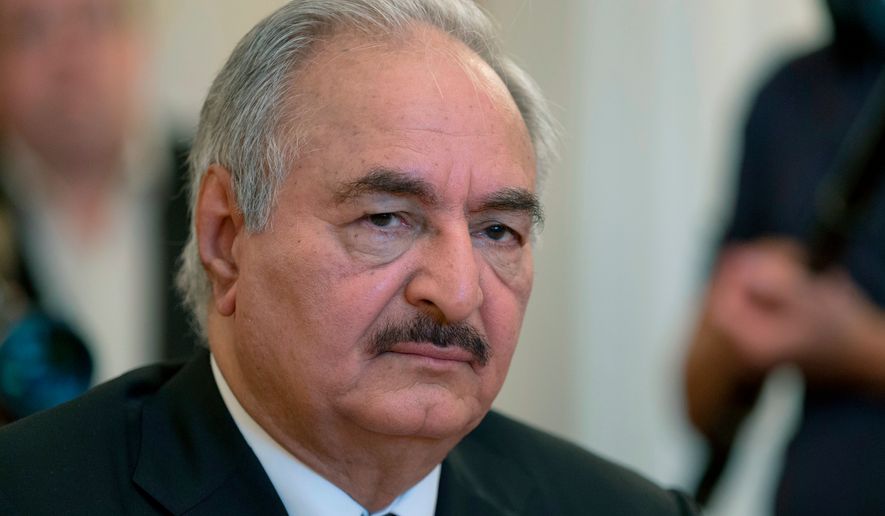
The House of Representatives, the eastern-based parliament aligned with military commander Khalifa Hifter, voted to adopt the memorandum of understanding signed in 2019 by Turkey and Libya’s then-government in Tripoli, the Government of National Accord.
Greece’s Foreign Ministry rejected the vote, saying in a statement that it “does not alter the illegal, invalid and groundless nature of the memorandum.”
People were interested in these podcasts
The ministry said Turkey and Libya do not have opposite or adjacent coasts that could provide a legal basis for delimiting maritime zones. It said the agreement disregards the rights of Greek islands, which lie between the Turkish and Libyan coasts.
“Geography and the international Law of the Sea cannot be changed by unilateral, legally unfounded parliamentary decisions,” the ministry said. It added that Greece had informed its partners and allies and “will take all appropriate measures to safeguard its sovereign rights.”
Cyprus also condemned the vote, calling the memorandum “illegal, null, and void.”
The Libyan-Turkey agreement defines maritime jurisdiction areas between the two countries in the Mediterranean, where major natural gas discoveries in recent years have fueled competing claims to offshore waters.
Lawmakers also repealed two resolutions passed in 2020, parliamentary spokesman Abdullah Bliheg said. One rejected agreements with Turkey, while the other cut political ties with Ankara. Parliament had opposed the accords at a time when Turkey was backing the Tripoli government against Haftar’s forces.
Officials in both camps welcomed Tuesday’s vote. Saddam Haftar, Khalifa Haftar’s son, said in a statement that the decisions reflected “a move toward overcoming disputes of the past.” He called the maritime agreement a tool to protect Libya’s economic interests in the Mediterranean and described Turkey as “a significant regional power.”
The Foreign Ministry of the Tripoli-based government, led by Prime Minister Abdul Hamid Dbeibah, called the vote “a positive development” for relations with Turkey. It said cooperation would proceed “in accordance with the relevant rules and principles of international law.”
Dbeibah also met Tuesday in Tripoli with Turkey’s intelligence chief, Ibrahim Kalin. A government statement said they discussed security, regional developments, and migration.
The European Union has said the agreement violates the rights of third countries. Turkey is not a party to the U.N. Convention on the Law of the Sea.
Egypt, a longtime backer of Haftar and Libya’s eastern parliament, also rejected the accord. In August 2020, Cairo and Athens signed their own maritime agreement in response. Greek officials have said it effectively nullifies the Turkish-Libyan deal.
Tuesday’s vote means Egypt’s main allies in Libya now endorse an agreement Cairo has opposed. Egyptian Foreign Minister Badr Abdelatty said he discussed the situation in Libya and the eastern Mediterranean in a phone call with his Greek counterpart on Tuesday, without directly mentioning the vote.
The vote follows a rapprochement in recent years between Turkey and eastern Libya.
Libya plunged into chaos after a NATO-backed uprising toppled and killed longtime ruler Moammar Gadhafi in 2011. The oil-rich country later split between rival governments in the east and west.
Dbeibah heads the internationally recognized government in Tripoli, in the west, while Prime Minister Ossama Hammad leads the eastern administration. Haftar, who commands the Libyan National Army, also holds power in the east.
The North African country is also a major transit point for migrants from Africa and the Middle East fleeing war and economic hardship and attempting dangerous sea crossings to Europe.

Please read our comment policy before commenting.