



1. What did the Army’s report find?
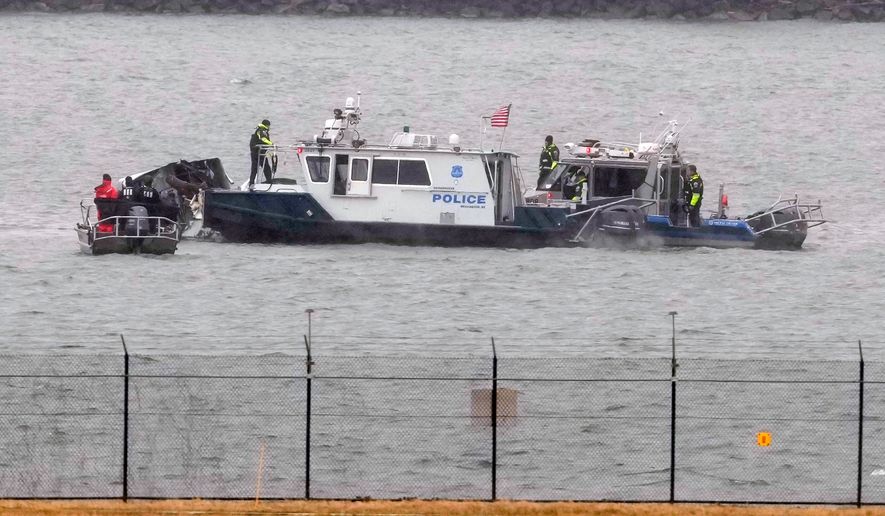
The Army concluded that systemic safety breakdowns led to last year’s collision between an American Airlines jet and a Black Hawk helicopter near Washington, the deadliest plane crash on U.S. soil in over two decades. The collision killed 67 people. The report, completed in May and released Thursday after months of pressure from victims’ families, cited failures involving air traffic control, helicopter routes, training and safety practices.
2. What specific problems contributed to the crash?
People were interested in these podcasts
The report faulted the Reagan National air traffic controller for not giving the helicopter crew precise information about the approaching jet or warning the jet’s pilot about the helicopter. It also singled out two failed radio transmissions and noted that the pilots’ night-vision goggles limited their view amid the city lights. The helicopter route allowed only 75 feet of vertical separation from a landing plane, too little to account for altimeter error. The National Transportation Safety Board found the helicopter was flying nearly 100 feet higher than its instruments showed.
3. How does the Army’s report compare with the NTSB’s findings?
The Army report largely reinforces the NTSB’s conclusions. However, the NTSB’s civilian investigation was broader, emphasizing years of missed warnings by the Federal Aviation Administration and a weak military safety culture.
4. What is the Army doing in response?
The Army says it has strengthened helicopter crew training and is improving its monitoring of safety risks. It is also working with the FAA to share information about close calls. After discovering that the crashed Black Hawk’s ADS-B Out location system hadn’t been working for some time, the Army inspected and reconfigured 3,585 helicopters. The NTSB said it is pleased with the Army’s progress on seven of its eight recommendations. By contrast, the FAA has not implemented roughly a third of the recommendations aimed at that agency. An Army official said a review of military helicopter flights in other cities, including Los Angeles and the Seattle-Tacoma region, is ongoing.
5. What do the victims’ families want, and what happens next?
Families say the report leaves key questions unanswered. Parts were redacted, and responsibility was assigned broadly rather than to individuals. They are also pressing Congress to pass legislation requiring aircraft to have technology that helps pilots detect nearby traffic. The House and Senate have each passed separate aviation safety bills but have not agreed on a final version.
For more on this report, read “Army finds systemic failures behind D.C. midair collision and calls for safety fixes” from The Associated Press, published on The Washington Times.
This article was constructed with the assistance of artificial intelligence and published by a member of The Washington Times' AI News Desk team. The contents of this report are based solely on The Washington Times' original reporting, wire services, and/or other sources cited within the report. For more information, please read our AI policy or contact Steve Fink, Director of Artificial Intelligence, at sfink@washingtontimes.com
The Washington Times AI Ethics Newsroom Committee can be reached at aispotlight@washingtontimes.com.

Please read our comment policy before commenting.