


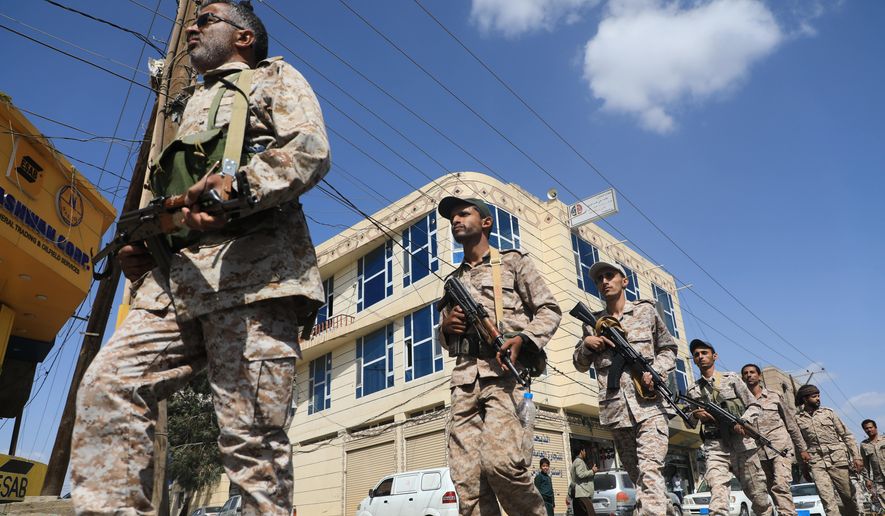

1. What is happening in Yemen right now?
Yemen is edging back toward civil war as a 2022 ceasefire between the Houthi rebels and the internationally recognized government, backed by a Saudi-led coalition, breaks down. Residents reported Thursday that the Iran-backed Houthis have entered the key Red Sea port of Mokha, a move that would put them about 80 kilometers (50 miles) from the Bab el-Mandeb Strait and threaten another vital route for food and aid deliveries.
2. Why does this matter beyond Yemen’s borders?
The Bab el-Mandeb Strait is one of the world’s busiest shipping lanes, carrying roughly $1 trillion in goods annually, and has become an increasingly important alternative route as Iran targets vessels in the Strait of Hormuz. A Houthi advance toward the strait raises the risk of disruption to Saudi oil shipments and global energy markets, with crude oil already trading above $100 a barrel.
3. Who are the key parties involved?
The main players are Yemen’s Houthi rebels, who are backed by Iran; Yemen’s internationally recognized government; and a Saudi-led coalition that supports that government. Saudi Arabia struck Sanaa’s international airport after accusing the Houthis of testing a blockade, while the Houthis say Saudi-backed forces have carried out dozens of airstrikes against them following Houthi attacks on Saudi oil facilities and utilities.
4. What triggered the recent escalation?
Tensions rose after the Houthis tested a Saudi-led blockade of rebel-held areas, prompting a Saudi strike on Sanaa’s airport, which the Houthis said was an attempt to block a plane carrying Houthi leaders returning from Ayatollah Ali Khamenei’s funeral in Iran. The Houthis also attacked Saudi oil facilities and utilities, wounding dozens, drawing further Saudi airstrikes in response.
5. What could happen next?
The Houthis have declared a blockade against Saudi Arabia and are targeting its Red Sea shipping efforts, a tactic Iran supports as part of its broader push to limit Gulf oil exports. Saudi Foreign Minister Prince Faisal bin Farhan said diplomacy remains possible but that Saudi Arabia will defend itself, while the U.S. has signaled it wants to de-escalate the wider Iran conflict rather than see it spread further.
For more on this report, read “Yemen risks a return to civil war as Iran-backed rebels target a crucial shipping route” from The Associated Press, published on The Washington Times.
This article was constructed with the assistance of artificial intelligence and published by a member of The Washington Times' AI News Desk team. The contents of this report are based solely on The Washington Times' original reporting, wire services, and/or other sources cited within the report. For more information, please read our AI policy or contact Steve Fink, Director of Artificial Intelligence, at sfink@washingtontimes.com
The Washington Times AI Ethics Newsroom Committee can be reached at aispotlight@washingtontimes.com.

Please read our comment policy before commenting.