


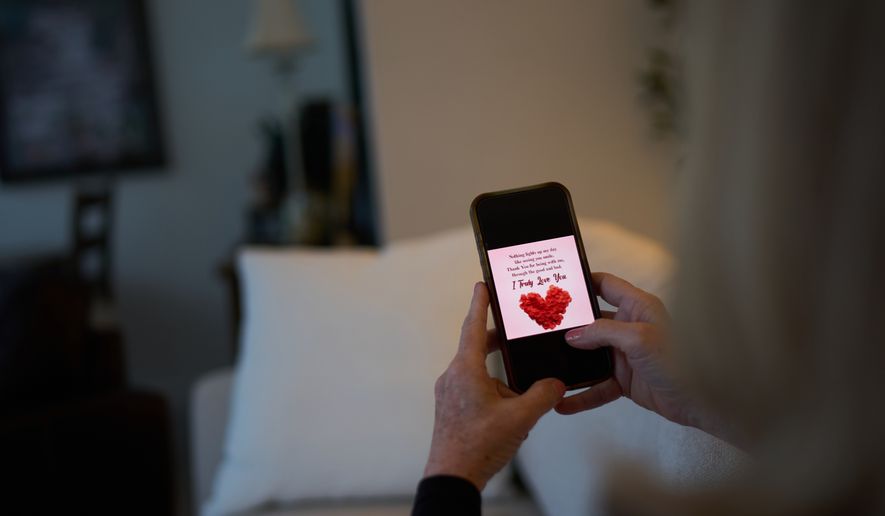

A LinkedIn message that appeared to come through a mutual connection turned into a two-year fraud that cost a woman known only as Gaby close to $1 million, according to an account she gave to Fox News’ CyberGuy Report.
Gaby said the scam began in March 2019, when a profile using the name and photos of a real man, Brian Haugen, contacted her on LinkedIn. The account appeared connected to one of her former colleagues, which she said made it feel safe. “So I thought, oh yes, she knows him,” Gaby recalled telling herself before responding.
The scammer built the relationship slowly, Gaby said, eventually asking for roughly $10,000 to resolve a supposedly frozen bank account tied to his claimed work in the gemstone trade. When the money was returned, Gaby said her guard dropped further. “I started to trust him because he sent me back money,” she said. Requests grew from there — $10,000, then $20,000, then $40,000 — before escalating to about $200,000 for purported taxes and customs fees, and eventually $500,000 tied to a fabricated medical emergency.
Mr. Haugen, whose likeness the scammer used without his knowledge, told CyberGuy the photos had been lifted from his social media accounts and reused across multiple fake profiles. “They steal my photo off of a social media account,” he said, adding that the identity theft has left him wary of international travel because forged documents bearing his face have surfaced under other names.
Gaby’s suspicions ultimately hardened after she booked an online session tied to the real Mr. Haugen and got in direct contact with him. She then pressed the person she had been corresponding with to prove his identity by sending her a message from the email address tied to that legitimate Zoom invitation. He never did. Both accounts are also featured in “Hey Beautiful: Anatomy of a Romance Scam,” a three-episode Hulu docuseries that debuted in 2025.
The case fits a pattern federal regulators have been tracking. According to an FTC data spotlight published in April, nearly 60% of people who reported losing money to a romance scam in 2025 said the contact began on social media, with reported losses from those cases reaching roughly $298 million for the year.
The FBI’s romance-scam guidance warns that con artists often avoid in-person meetings for months at a time and can exploit personal details victims post publicly online. Fox News separately reported that the FBI has cautioned scammers can use deepfake tools or stand-ins during video calls, meaning a video chat alone is no longer reliable proof of identity. Victims are urged to report incidents to the FBI’s Internet Crime Complaint Center at ic3.gov and to the FTC.
This article was constructed with the assistance of artificial intelligence and published by a member of The Washington Times' AI News Desk team. The contents of this report are based solely on The Washington Times' original reporting, wire services, and/or other sources cited within the report. For more information, please read our AI policy or contact Steve Fink, Director of Artificial Intelligence, at sfink@washingtontimes.com
The Washington Times AI Ethics Newsroom Committee can be reached at aispotlight@washingtontimes.com.

Please read our comment policy before commenting.