



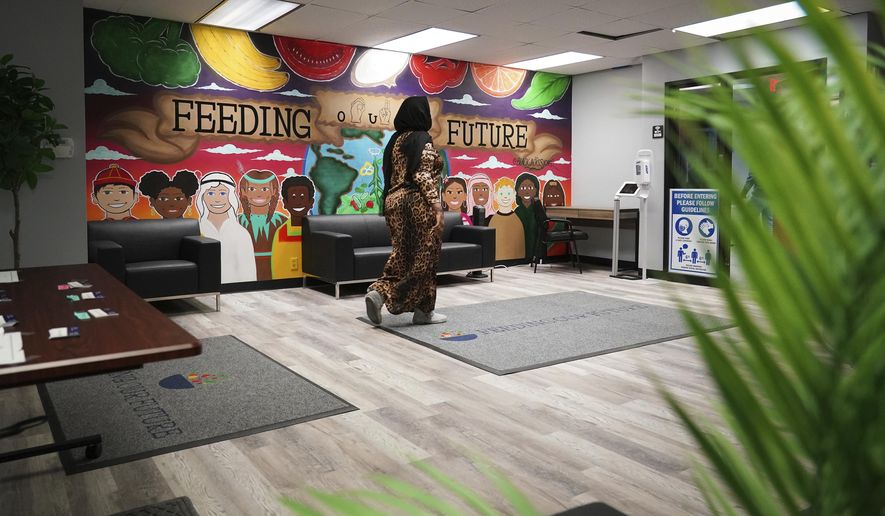
In 2019, a small Minnesota nonprofit called Feeding Our Future received about $3.4 million to help feed hungry schoolchildren. Two years later, the same organization was collecting nearly $200 million a year, claiming to have served 91 million meals through more than 250 sites scattered across the state. Prosecutors say most of that food never existed.
Instead, according to federal court records, the money went toward luxury cars, real estate in Minnesota, Ohio, Kentucky, Kenya and Turkey, and international travel for the scheme’s organizers. It is one of the largest known pandemic fraud cases, but the mechanism behind it, exploiting a federal program whose usual verification steps had been waived, repeats itself across nearly every pandemic relief program Congress created.
The trade-off Congress made in the spring of 2020
When Congress passed the CARES Act in March 2020, lawmakers in both parties faced a genuine dilemma. Unemployment claims and business failures were mounting by the hour, and the usual verification steps, checking tax records, cross-referencing databases, confirming a business actually existed, take time the country did not appear to have.
Congress responded by stripping much of that verification out. The law barred the Small Business Administration from checking loan applicants against IRS tax transcripts, a restriction not reversed until the end of 2020, and let borrowers simply “self-certify” that their Paycheck Protection Program applications were accurate. State unemployment offices, many relying on decades-old computer systems, closed field offices used to verify identity and let applicants attest to their own eligibility for the new Pandemic Unemployment Assistance program.
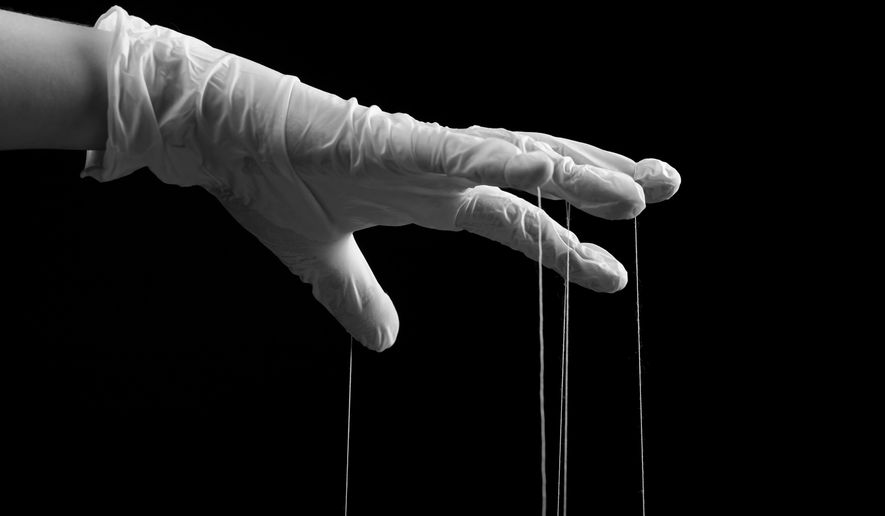
“If you open up the bank window and say, give me your application and just promise me you really are who you say you are, you attract a lot of fraudsters and that’s what happened here,” Michael Horowitz, the Justice Department’s inspector general at the time and chair of the federal Pandemic Response Accountability Committee, told Congress.
How much was lost depends on who is counting
No single government total exists, because no single agency tracked all the programs the same way. The Government Accountability Office put fraud in pandemic unemployment insurance programs at between $100 billion and $135 billion, or 11 to 15 percent of everything paid out, in a September 2023 report. The Small Business Administration’s inspector general separately estimated that $200 billion, or 17 percent, of the $1.2 trillion spent on Paycheck Protection and COVID-19 Economic Injury Disaster Loans went to fraudsters, up sharply from an earlier estimate of about $106 billion. A GAO review that same year flagged 3.7 million of 13.4 million loan recipients, 27 percent, as showing at least one indicator of potential fraud. An Associated Press analysis added a third lens, estimating that $280 billion was likely stolen and another $123 billion wasted or misspent across all pandemic relief spending, about 10 percent of the roughly $4.2 trillion disbursed by mid-2023. Private fraud analysts have offered even higher figures, ranging as high as $400 billion, though those estimates rest on different methodologies than the government’s.
A nonprofit in Minnesota shows how the schemes worked
The pattern in the biggest cases was rarely technical sophistication. Feeding Our Future, founded by Aimee Bock, exploited a waiver the Agriculture Department issued early in the pandemic that let for-profit restaurants join the Federal Child Nutrition Program and serve meals off-site, changes meant to help feed children after schools closed. Bock’s organization then created shell companies, submitted fake attendance rosters, and collected administrative fees and kickbacks on more than $240 million in claims before anyone cross-checked whether the meals were served at all.
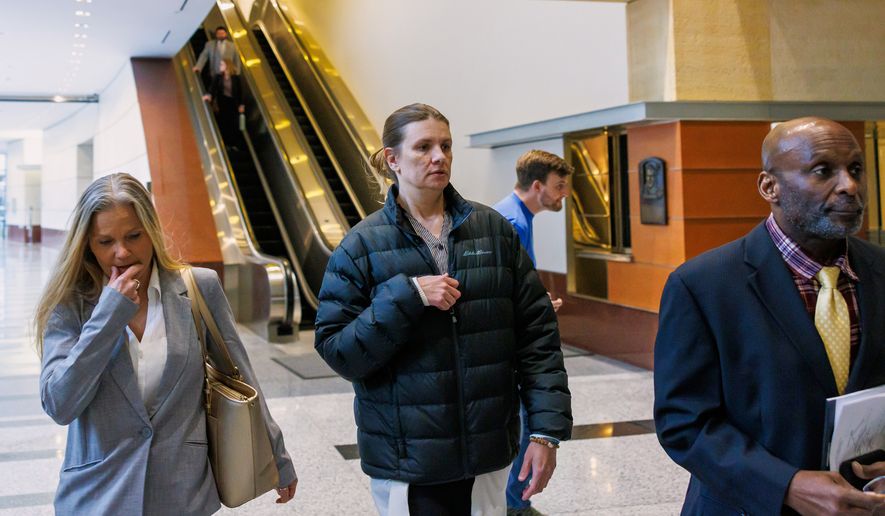
“That money did not go to feed kids,” Acting U.S. Attorney Lisa D. Kirkpatrick said after a jury convicted Bock, and a co-defendant in March 2025.
The same basic pattern, a legitimate-looking application, a waived verification step and a lag before anyone checked, played out in EIDL loans routed through shell bank accounts and in unemployment claims filed using stolen Social Security numbers, including those of dead people and federal prisoners.
What has come back, and what probably never will
Recovery has trailed losses by a wide margin. The Justice Department’s COVID-19 Fraud Enforcement Task Force had charged more than 3,500 defendants and recovered or forfeited over $1.4 billion by April 2024, according to The Christian Science Monitor. It’s a figure the paper noted is less than 1 percent of what was stolen from the two SBA programs alone.
The Labor Department has clawed back roughly $5 billion in unemployment insurance fraud, about 4 percent of the government’s own low-end loss estimate, while the SBA has seized or returned around $30 billion, closer to 15 percent, of the money stolen from its pandemic loan programs. Congress extended the statute of limitations on SBA-related fraud from five to ten years in 2022, giving investigators more runway, but a similar extension for unemployment insurance fraud passed the House in 2025 and stalled in the Senate.
As Blake Hall, co-founder of the identity-verification firm ID.me, put it, describing how loosely some states checked pandemic jobless claims, the government essentially let applicants “pinky promise” they qualified, and five years later, most of what that promise cost taxpayers is still unaccounted for.
As for Bock, she was sentenced to 41 years in prison in May. Another ringleader of the scheme, Abdikerm Abdelahi Eidleh, was captured in Somalia a month later.
This article was constructed with the assistance of artificial intelligence and published by a member of The Washington Times' AI News Desk team. The contents of this report are based solely on The Washington Times' original reporting, wire services, and/or other sources cited within the report. For more information, please read our AI policy or contact Steve Fink, Director of Artificial Intelligence, at sfink@washingtontimes.com
The Washington Times AI Ethics Newsroom Committee can be reached at aispotlight@washingtontimes.com.

Please read our comment policy before commenting.