



Congress’ most serious attempt to regulate college sports passed a procedural hurdle Thursday, paving the way for a vote on the bill next week.
The Protect College Sports Act cleared a major milestone in a 77-22 vote to bring the bill to the floor for official debate and a vote.
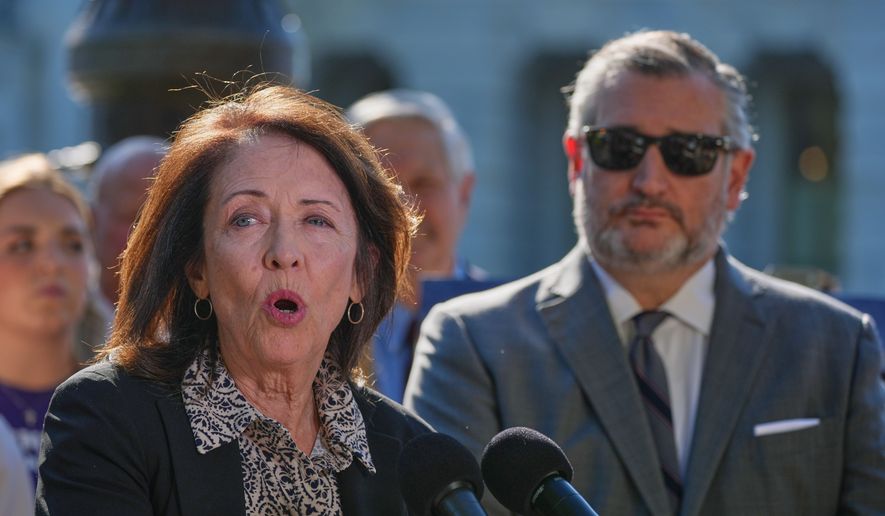
The landmark bipartisan bill spearheaded by Sen. Ted Cruz, Texas Republican, and Sen. Maria Cantwell, Washington Democrat, would establish national standards and stabilize the college sports landscape.
The major point in the bill is limiting player transfers to once without losing eligibility.
Mr. Cruz and Ms. Cantwell are targeting a strong bipartisan vote to create pressure for the House to swiftly pick up the legislation.
The lower chamber, however, was sent home for recess early and isn’t scheduled to return until after the November midterm elections.
President Trump applauded the Senate on its bipartisan vote, dubbing it “vital to future Sports in America.”
“Great news on NIL, in other words, straightening out the horrible situation taking place with respect to College Sports,” he said on Truth Social. “It is out of control, and will lead to bankruptcies and disaster for many Colleges.”
This bill can “make sure that these athletes are protected forever, including the rights to not have their contracts screwed with, their rights to not have their school override them, the rights to have any amount of money that some business wants to pay them as long as it is for a valid business purpose,” Ms. Cantwell said on the floor Thursday.
The proposal aims to bring order to what Mr. Cruz calls the “Wild West” era of college sports by regulating player movement and money.
It replaces the current patchwork of state laws with a uniform federal standard governing name, image and likeness compensation.
The bill also makes revenue-sharing limits permanent; sets a five-year eligibility window with one unrestricted transfer; mandates five years of post-eligibility healthcare; caps agent fees at 5%; and grants the NCAA a limited antitrust exemption.
Included in the bill is a 24-member congressional commission to study long-term reforms, governance and compensation structures in intercollegiate athletics.
“Is this the end of this discussion? No,” Ms. Cantwell said. “It’s the beginning of how we continue to stabilize it.”
While it has drawn heavy support from the Southeastern and Big Ten conferences, it faces pushback from a bloc of lawmakers and civil rights groups, including the NAACP, who argue the bill restricts player rights and limits labor protection for student-athletes.
Arguing against the bill, Sen. Cory Booker, New Jersey Democrat, labeled it a “betrayal of college athletes, their safety and their well-being.”
“I’m not saying there’s not things that have been incorporated that are important. But time and time again, it comes up short,” Mr. Booker said on the Senate floor. “A better deal for the universities, a better deal for the wealthy, a better deal for coaches. But athletes, they get the short end of this.”
Contact the author


Please read our comment policy before commenting.