


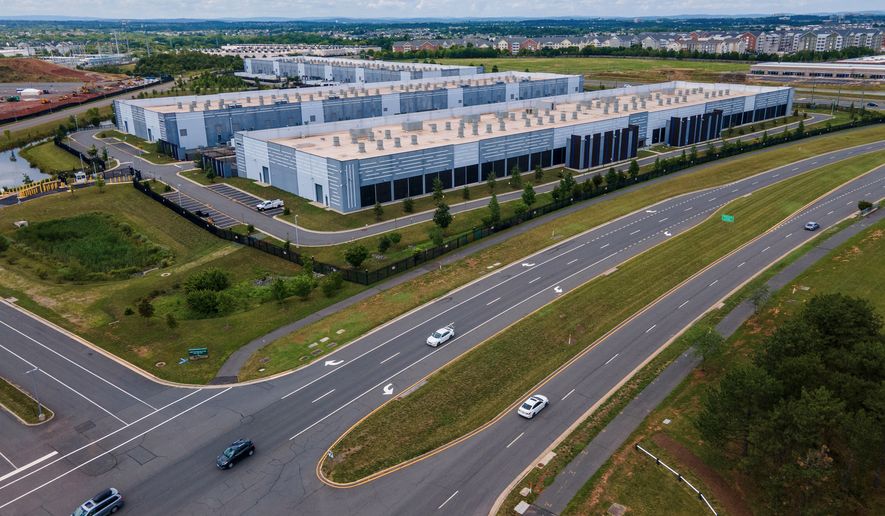

Commerce Secretary Howard Lutnick says people protesting data centers are falling prey to foreign influence and should embrace the massive facilities.
Mr. Lutnick’s comments echoed those of his boss, President Trump, who said communities that reject the data centers will fall behind.
“This is propaganda by our adversaries to try and slow us down,” Mr. Lutnick said Wednesday on CNBC’s “Squawk Box.” “Data centers are really world-class production.”
People were interested in these podcasts
Mr. Lutnick said economic benefits from artificial intelligence centers will flow to local communities.
“Those communities will just be better off. It’s obvious black and white,” the commerce chief said.
The fight over data centers is a major talking point in the midterm elections.
SEE ALSO: Data center fight explodes onto airwaves ahead of midterms
Some residents think building data centers in their towns will use too much power and water, create noise and ugly eyesores on their land, and fail to be the job-creating boon that politicians and Big Tech executives promised, since the facilities largely run on their own.
Opposition to data centers cuts across political lines. Both parties are worried the tradeoffs will not favor local voters.
But Mr. Trump says there is only an upside, and China would love to see the U.S. fall behind in the AI race.
Also Wednesday, Mr. Lutnick accused the Canadian side of making last-minute proposals and blowing up trade talks for political reasons ahead of elections in big provinces.
Mr. Trump imposed 50% tariffs on Canadian goods, and Ottawa retaliated with dollar-for-dollar tariffs on American products.
“From my perspective, it’s just sad,” Mr. Lutnick said.
The secretary also confirmed reports that Mr. Trump is preparing to impose tariffs on semiconductors.
Mr. Lutnick said, “All of the companies know they’re coming,” including major manufacturers in Taiwan, and that the levies should spur investment in American factories to avoid the tariffs, which are duties on foreign goods brought into U.S. markets.
“If you build in America, we will give you tariff relief,” Mr. Lutnick said. That’s pretty much a very sensible way of doing things, and it’s working.”
Mr. Lutnick said tariff revenue and expected economic growth will reduce the U.S. debt and stabilize the bond market.
Bond yields rise when investors want to be paid more to hold a bond because of inflation or other economic warning signs.
“I’m very optimistic that the bond market will treat us very well,” Mr. Lutnick said. “It may take over the next couple of months, but you’re going to see rates stabilize. You’re going to see them come down.”
Contact the author


Please read our comment policy before commenting.