



OPINION:
Energy is a constant geopolitical linchpin. The recent arrest of former Venezuelan president and narcoterrorist Nicolas Maduro and the ongoing conflicts in Iran and Ukraine have kept this importance in focus. These events and their ramifications highlight why President Donald Trump’s commitment to energy dominance is so crucial to our nation.
From the very first days of President Trump’s second term, his intense focus on securing American energy dominance has been a core part of his energy agenda.
For decades, increasing oil production in places like North Dakota masked the declining number of domestic petroleum refineries. It takes policy makers off the hook, allowing them to hide the security consequences of diminishing refining capacity.
This is why I say the United States is “sort of” energy independent. While we produce oil at record levels, we fall short of being able to substantially refine our own oil for the benefit of Americans. This disconnect is playing out in real time. Production and refining disruptions in China, Russia and the Middle East are unduly impacting prices here because we lack the capacity to refine domestic crude to meet market demand and withstand the upheaval.
The vast majority of our remaining refineries reflect the oil production reality of decades past and are built to refine imported heavy sour oil rather than our own premium light sweet crude. In fact, we haven’t built a new refinery since the 1970s, and only about 30% of our refineries are optimized for light sweet American crude. Oil-rich California imports nearly 60% of its oil from foreign sources. This props up unfriendly regimes and incentivizes dirtier production. Increasing refining capacity here at home can be done by retrofitting existing decades-old refineries or building new ones.
The temptation to maintain the status quo remains strong.
But energy security is a fundamental part of national security, and you cannot have one without the other. Increased oil production is important, but without sufficient domestic refining capacity it means less benefit for American consumers. With bold action we can make America more energy-secure and protect our nation from volatility in global oil markets.
Expanding refining capacity requires being realistic about the recipe for success. Those ingredients include a healthy industry and a more supportive regulatory regime which includes certainty and consistency for refiners. One of the greatest threats to refinery projects is misguided regulations aimed at penalizing refiners instead of treating them as the economic and geopolitical assets they are. Federal regulations have a nationwide impact, but state regulations also dramatically impact the feasibility and ease building of large-scale projects like refineries.
The refining industry also needs to get out of the mindset of managed decline and see the opportunity to utilize the crude we produce.
There’s optimism. North Dakota and Texas, both leaders in crude oil production, have promising projects on the horizon. In Belfield, N.D., the Davis Refinery is fully permitted and working towards additional financing. Once completed, it will be able to refine nearly 50,000 barrels per day of light sweet American crude for customers across the Midwest. This past spring, President Trump announced an additional refinery in Texas. It’s not a coincidence both projects will be built in energy-savvy states with regulatory environments which encourage investment. The most proactive states create environments where businesses thrive and quickly adapt to emerging opportunities.
Beyond simply adding more refineries, every additional facility means more jobs for American workers, competing with foreign hostile powers, and economic growth in surrounding communities.
The work to ensure energy security through increased refining capacity is a marathon, not a sprint. The long-term permitting reforms Congress is writing are essential to building and retrofitting refineries efficiently and quickly. We must overcome the challenging roadblocks and focus on what we need to keep transportation moving and our military operational.
Thanks to President Trump we are the energy superpower of the world, but our refining capacity is our Achilles’ heel. It’s time to challenge wishful thinking and look at real-world solutions for Americans to produce more oil, refine it on our shores and sell the world both.
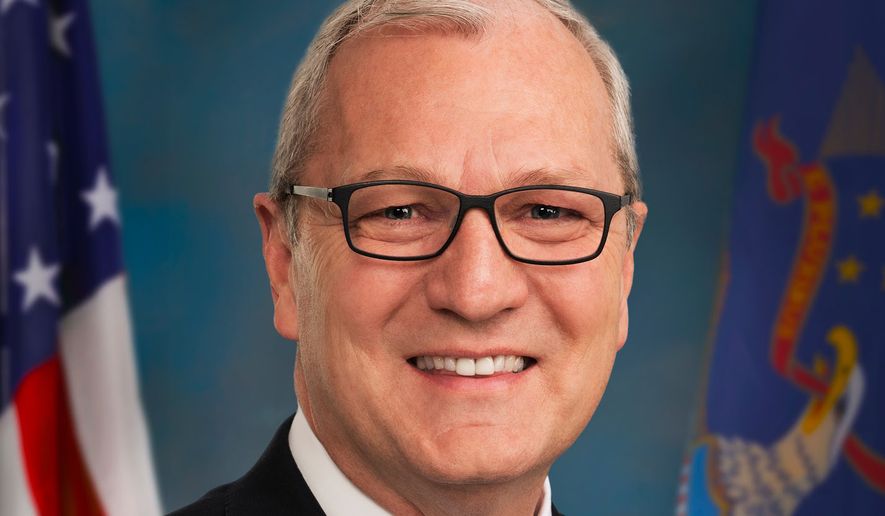
• U.S. Sen. Kevin Cramer, North Dakota Republican, is the Chair of the Senate Environment and Public Works Subcommittee on Transportation and Infrastructure. He also serves on the Senate Armed Services, Veterans Affairs, and Banking, Housing and Urban Affairs Committees. Cramer previously served three terms as North Dakota’s At-Large Member in the U.S. House of Representatives and served as a North Dakota Public Service Commissioner for nearly a decade.

Please read our comment policy before commenting.