



PARAMARIBO, Suriname — Peru faced the final day of a landmark hearing before a regional human rights court Friday over allegations that it failed to protect Indigenous peoples living in isolation in the Amazon from logging and other activities encroaching on their territory.
The two-day hearing before the Inter-American Court of Human Rights in Montevideo, Uruguay, marks the first time the tribunal has considered a case involving Indigenous peoples living in isolation in Peru.
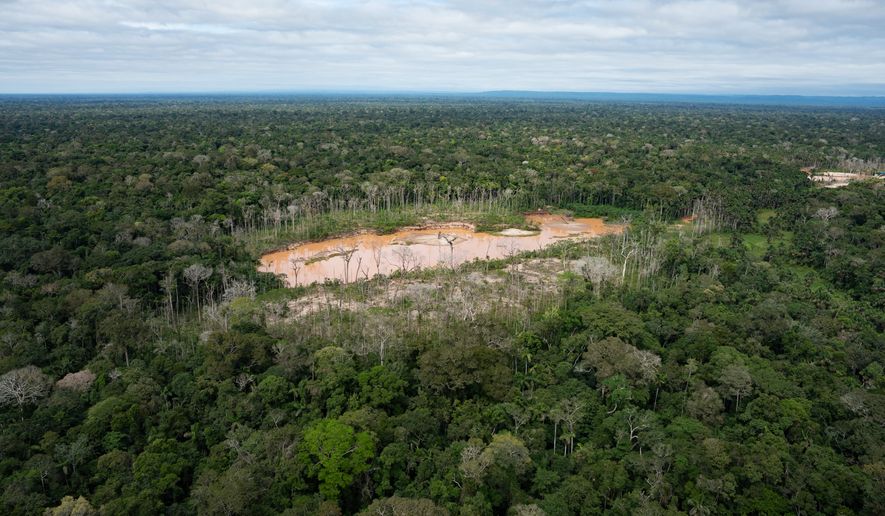
The case centers on the Mashco Piro, Yora and Amahuaca peoples, who live in remote areas of the Peruvian Amazon. Indigenous organizations say logging concessions and other incursions have pushed outsiders deeper into forests used by the groups, increasing the risk of violent encounters and exposure to diseases to which isolated peoples may have little immunity.
People were interested in these podcasts
“Many of our brothers and sisters have already disappeared, and we don’t want the Mashco Piro to suffer the same fate,” Maglin Alvarado Vargas, a leader of the Yine Indigenous people from the Native Community of Monte Salvado, told the court. “It is in your hands whether they can survive.”
Peru has argued that it has adopted laws, protocols, monitoring systems and other measures to protect isolated Indigenous peoples. The Peruvian government did not immediately respond to a request for comment.
But Julio Cusurichi, part of the Native Federation of the Madre de Dios River and Tributaries, known by its Spanish acronym FENAMAD, said those protections were not being implemented in practice.
“The government is not taking action to safeguard the rights of these peoples,” Cusurichi said. He warned that continued incursions into their territory could threaten their survival.
The case dates back decades. FENAMAD has raised concerns about logging in Mashco Piro territory since the 1990s and sought emergency protection from the Inter-American Commission on Human Rights in 2005. The commission, a separate body from the court, granted protective measures in 2007.
FENAMAD brought a formal petition to the commission in 2011. In 2022, the commission found Peru responsible for violating the rights of the Mashco Piro, Yora and Amahuaca. The case was sent to the court in 2024 after the commission concluded Peru had not complied with its recommendations.
Teresa Mayo of Survival International, an Indigenous rights organization supporting the case, said Indigenous communities and their allies want the court to hold Peru responsible and require stronger protection of the Mashco Piro’s territory and their right to remain isolated.
“This is a historic hearing,” Mayo said, adding that the groups want the court to guarantee the Mashco Piro can “remain uncontacted, with their land fully protected.”
At the center of the dispute is the territory available to isolated peoples and whether extractive activities can be permitted there.
Maritza Quispe, a lawyer with Peru’s Legal Defense Institute representing the Indigenous side, said the case could establish an important precedent over the ancestral land rights of peoples living in isolation and whether governments can authorize extraction in their territories.
Peruvian law generally bars outside activity in reserves established for isolated Indigenous peoples, but contains an exception allowing natural resources to be exploited when authorities determine there is a public necessity, Quispe said.
One of the lawyers representing the Indigenous groups told the court that Peru had “flagrantly violated” principles intended to protect isolated peoples, including avoiding contact with them and keeping their territories free from outside activity.
The Mashco Piro number more than 750 people and live in southeastern Peru and across the border in Brazil, according to Indigenous organizations. Encounters with outsiders have already turned deadly. In 2024, two loggers were killed in bow-and-arrow attacks after entering Mashco Piro territory, and subsequent sightings have placed members of the group close to active logging areas.
Contact also poses a potentially deadly risk to the Mashco Piro themselves. Indigenous peoples who have lived in isolation have little immunity to common illnesses brought by outsiders, meaning even diseases such as a cold or flu could kill them.
The parties now have until Oct. 26 to submit their final written arguments. The court will then deliberate and issue a judgment, though no date has been set for a ruling.
___
The Associated Press’ climate and environmental coverage receives financial support from multiple private foundations. AP is solely responsible for all content. Find AP’s standards for working with philanthropies, a list of supporters and funded coverage areas at AP.org.

Please read our comment policy before commenting.