


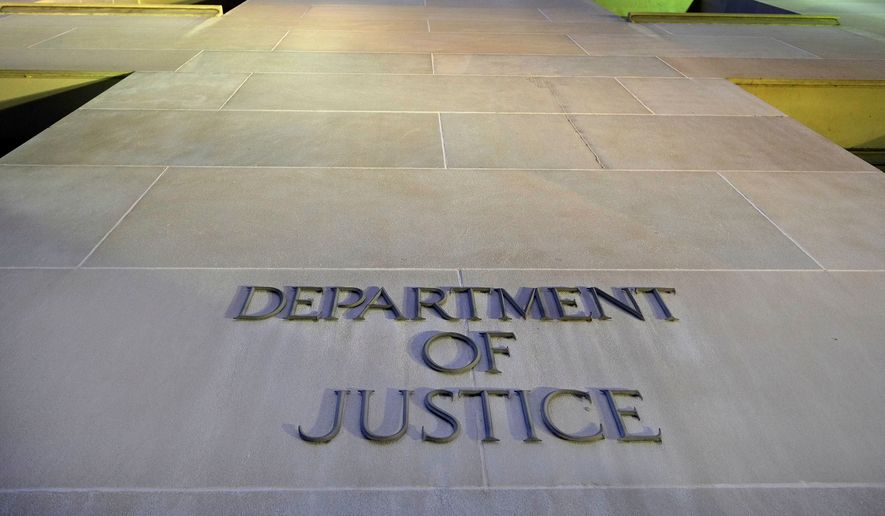

A former U.S. Army soldier was sentenced Friday to 70 months in prison and ordered to pay $294,978 in restitution for his role in a scheme to hack telecommunications companies and extort them, the Justice Department said. Prosecutors said Cameron John Wagenius and his co-conspirators attempted to extort at least $1 million from owners of stolen data.
Wagenius, 22, who was most recently stationed in Texas, pleaded guilty in the Western District of Washington to conspiracy to commit wire fraud, extortion in relation to computer fraud, and aggravated identity theft on July 15, 2025. In a separate case in the same district, he pleaded guilty to two counts of unlawful transfer of confidential phone records information on March 5, 2025, according to the department.
According to court documents, Wagenius used online accounts associated with the nickname “kiberphant0m” between April 2023 and Dec. 18, 2024, and conspired with others to defraud at least 10 victim organizations by obtaining login credentials for their protected computer networks. He helped develop a hacking tool called SSH Brute, which the conspirators used to obtain credentials. They also used Telegram group chats to transfer stolen credentials and discuss access to victims’ networks, prosecutors said. The activity occurred while Wagenius was on active duty.
People were interested in these podcasts
In November 2024, Wagenius made two online posts disclosing stolen confidential non-content call detail records belonging to a government official and family members of another former official. The posts threatened to release additional records unless a ransom was paid, according to the Justice Department. The text of one post suggested he was motivated by a desire to retaliate for another cybercriminal’s recent arrest. Wagenius and his co-conspirators also threatened to post stolen data on cybercrime forums, including BreachForums and XSS.is, and sold at least some of the data, the department said.
Assistant Attorney General A. Tysen Duva of the Justice Department’s Criminal Division said Wagenius “spent more than a year and a half betraying the trust placed in him as an active duty soldier.” First Assistant Attorney Charles Neil Floyd for the Western District of Washington said Wagenius was driven partly by a desire for status in criminal hacking communities. FBI Cyber Division Assistant Director Brett Leatherman said the bureau and its partners identified and arrested Wagenius within weeks of his public extortion threats.
FBI Seattle Special Agent in Charge W. Mike Herrington called it “especially shocking” that a member of the armed forces would violate Americans’ privacy in this way. Kenneth DeChellis of the Defense Criminal Investigative Service said the case reflected cooperation among federal law enforcement partners.
The FBI and DCIS investigated the case, with assistance from the Army’s Criminal Investigative Division, the U.S. Attorney’s Office for the Western District of Texas, and the National Security Cyber Section. Senior Counsel Louisa Becker and Trial Attorney George Brown of the Justice Department’s Computer Crime and Intellectual Property Section, along with Assistant U.S. Attorney Sok Tea Jiang, prosecuted the case.
This article was constructed with the assistance of artificial intelligence and published by a member of The Washington Times' AI News Desk team. The contents of this report are based solely on The Washington Times' original reporting, wire services, and/or other sources cited within the report. For more information, please read our AI policy or contact Steve Fink, Director of Artificial Intelligence, at sfink@washingtontimes.com
The Washington Times AI Ethics Newsroom Committee can be reached at aispotlight@washingtontimes.com.

Please read our comment policy before commenting.