


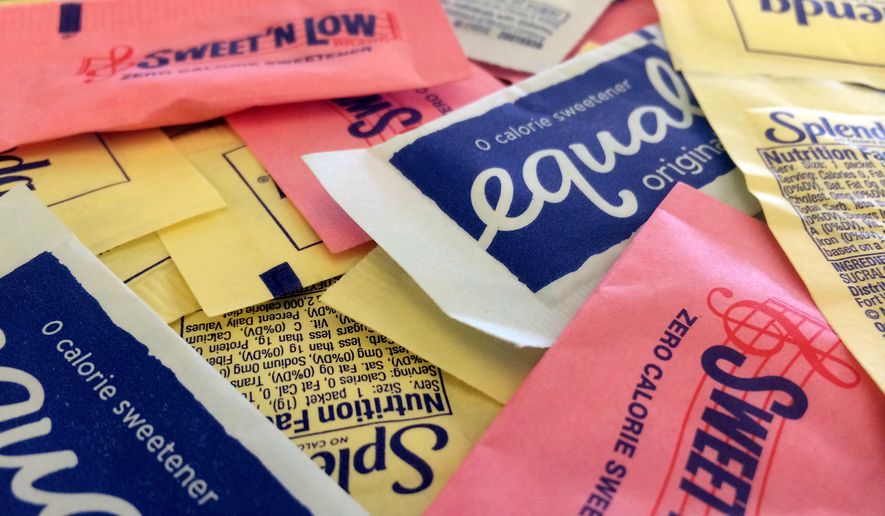

A sugar substitute found in everything from sugarless gum to toothpaste and jam is drawing fresh scrutiny after researchers presenting at Europe’s largest cardiology conference this week reported that people with high blood levels of xylitol face a significantly greater risk of stroke, heart attack and death than those with the lowest levels.
The study, set to be presented at ESC Congress 2026 in Munich, examined data from 17,710 participants drawn from two long-running observational cohorts — the Canadian Longitudinal Study on Aging and the European Prospective Investigation into Cancer-Norfolk study. Researchers compared people in the top quarter for blood xylitol levels against those in the bottom quarter.
The results were striking. Over a six-year follow-up period in the Canadian cohort, people with the highest xylitol levels had a 57% greater risk of a major cardiovascular event — defined as death, heart attack or stroke — even after researchers adjusted for known risk factors including age, smoking, cholesterol, diabetes and blood pressure. In the European cohort, which tracked participants for three decades, those with the highest levels still carried an 18% higher risk after 30 years.
Researchers said the pattern held up regardless of age or sex, and was independent of body mass index, hypertension, diabetes and lipid levels — factors that might otherwise explain why people gravitate toward low-calorie sweeteners in the first place. Taken together with data from the middle quartiles, the findings pointed to a dose-dependent relationship: the higher a person’s xylitol levels, the higher their cardiovascular event rate.
Xylitol occurs naturally in small amounts in some fruits and vegetables and is produced by the body during normal metabolism. But food and beverage makers add it in far larger doses — often more than 1,000 times higher than what’s found naturally — to sweeten products such as chewing gum, jam, yogurt, ice cream and oral care items as a lower-calorie sugar substitute.
Dr. Marco Witkowski of Berlin’s Charite University Hospital, who presented the findings, said the study builds on his team’s earlier work linking the sweetener to blood clotting. “In previous studies, we showed that xylitol can enhance the ability of platelets to form clots,” he said, adding that his group had also found high xylitol levels linked to adverse heart events in high-risk patients over a three-year period.
That earlier research, published in the European Heart Journal in 2024 by a Cleveland Clinic team led by Dr. Stanley Hazen, first raised alarms about the sweetener. That study found xylitol made blood platelets more sensitive to clotting signals and sped up clot formation in mice, and that blood levels in volunteers spiked 1,000-fold within 30 minutes of drinking a xylitol-sweetened beverage.
Dr. Witkowski said the new findings underscore how little is understood about a substance widely regarded as harmless.
“Artificial sweeteners are consumed by people who think they are healthier than sugar and they are generally regarded as safe by regulatory agencies,” he said. “Our long-term findings in the general population highlight how little we know about the cardiovascular safety of xylitol and indicate that further studies are warranted, especially as the amount of xylitol in products continues to increase.”
Professor Dan Atar, a member of the European Society of Cardiology’s communication committee who wasn’t involved in the research, urged caution about drawing firm conclusions from what remains an observational study.
“Artificial sweeteners are widely embraced by modern society, and the safety ratings had been good and granted by regulatory authorities,” he said. “In this observational work, however, it appears that xylitol has a negative long-term effect on cardiovascular events in the general population. As with all observational studies, causalities are difficult to infer, but this work shows that further studies are mandated into this societally important topic.”
Nutritionists not involved in the study echoed that note of caution. Speaking to Newsweek, registered nutritionist Kirsty Thomas said the findings should be weighed against the broader body of evidence rather than treated as definitive, noting that individual responses can vary based on diet, lifestyle and existing health conditions.
The research adds to mounting questions about a class of additives long assumed to be a safe alternative to sugar. Hazen’s team first raised alarms about sugar alcohols and cardiovascular risk with a 2023 study on erythritol, xylitol’s chemical cousin, published in Nature Medicine; its follow-up xylitol study appeared in the European Heart Journal in 2024. Since then, calls have grown for regulators to revisit sweeteners’ “generally recognized as safe” status as their use in low-calorie and diabetic-friendly products continues to expand.
This article was constructed with the assistance of artificial intelligence and published by a member of The Washington Times' AI News Desk team. The contents of this report are based solely on The Washington Times' original reporting, wire services, and/or other sources cited within the report. For more information, please read our AI policy or contact Steve Fink, Director of Artificial Intelligence, at sfink@washingtontimes.com
The Washington Times AI Ethics Newsroom Committee can be reached at aispotlight@washingtontimes.com.

Please read our comment policy before commenting.