



OPINION:
I have the honor of representing Middle and Southwest Georgia, where military readiness is part of everyday life. Fort Benning, Robins Air Force Base and Marine Corps Logistics Base Albany demonstrate how much our national defense depends on the people and communities supporting those who serve.
Fort Benning trains the Army’s infantry and armor forces. MCLB-Albany hosts one of only two Marine Depot Maintenance Command production plants, supporting cradle to grave acquisitions. Robins houses one of three Air Force air logistics complexes, sustaining aircraft, software and combat capability. Their missions rely on service members, skilled civilians, and families who shoulder the demands of military life.
My wife grew up in a military family, moving every two or three years as her father served. Families across our region know those disruptions well: a spouse searching for work, a child changing schools, or a parent trying to arrange specialized care. Addressing these challenges helps families remain resilient and service members remain focused on their missions.
People were interested in these podcasts
That connection guides my work on the House Appropriations Subcommittee on Military Construction and Veterans Affairs and as co-chair of the bipartisan Congressional Military Family Caucus. The caucus brings families’ experiences into discussions with lawmakers and defense leaders. Progress comes from translating those concerns into legislation, funding and oversight.
The bipartisan Fiscal Year 2024 funding package I supported provided approximately $336 million for child development centers and $2 billion for military family housing. These MILCON-VA investments support additional childcare capacity and better living conditions. For a parent reporting for duty before dawn, dependable childcare is essential to meeting the demands of service. Safe housing gives families stability through deployments and repeated moves.
The fiscal year 2025 National Defense Authorization Act built on that work. Our caucus’s Republican co-chair, Rep. Jen Kiggans, R-Va., served on the bipartisan Quality of Life Panel whose recommendations helped shape the law. It directed improvements to DoD childcare staffing and compensation, addressing the difficulty of keeping classrooms staffed. Construction and workforce investments must work together: a new center cannot serve families without qualified caregivers.
The fiscal year 2023 NDAA established a pilot for special needs inclusion coordinators at selected child development centers. The fiscal year 2025 law also required additional positions supporting these children and their caregivers. Such support helps families navigate care needs and allows parents to meet military responsibilities with greater confidence. Congress must ensure these requirements translate into accessible services.
Spouse employment is equally important. Congress authorized the Military Spouse Career Accelerator Pilot, implemented through DoD’s partnership with the U.S. Chamber of Commerce Foundation’s Hiring Our Heroes. Its paid fellowships connect spouses with employers and opportunities for lasting careers. The fiscal year 2025 NDAA established a successor program beginning in 2026, extending this approach beyond the pilot. These public-private arrangements help families maintain income and give employers access to skilled talent.
Congress also strengthened professional license portability in the fiscal year 2025 NDAA and made permanent DoD’s authority to support interstate licensing compacts. Eligible spouses moving under military orders can carry professional credentials across state lines under applicable requirements. Reducing career interruptions helps families absorb relocation costs and makes continued military service more sustainable.
Our civilian workforce needs similar stability. Albany reported 2,042 civilian employees in fiscal year 2024; Robins reported 14,154 appropriated-fund civilians in 2025. Figures provided to my office show Albany filling only 74% of authorized job vacancies, while payroll pressures leave employees covering multiple jobs. At Robins, hiring freezes and attrition have strained capacity, prompting recruitment for at least 600 positions. Deferred resignations risk further losses of expertise. Reliable payroll funding, faster hiring, apprenticeships, and retention efforts are essential to sustaining the people who maintain our military’s equipment and facilities.
Financial security remains unfinished work. According to the 2025 Blue Star Families survey, a military family advocacy organization, 28% of military families faced hunger, and only 37% of active-duty family respondents would recommend a young family member join the military. No family serving our country should struggle to put food on the table. Adequate pay, nutrition assistance, affordable childcare and steady spouse employment reinforce one another.
These measures strengthen the Armed Forces by helping families withstand disruption, enabling service members to concentrate on duty, and supporting retention of experienced personnel. Continued bipartisan work must be measured by what families experience: care they can access, careers they can sustain and confidence that their service is supported. That is how we sustain America’s military strength.
I will always work hard across the aisle wherever possible to make sure Congress does so.
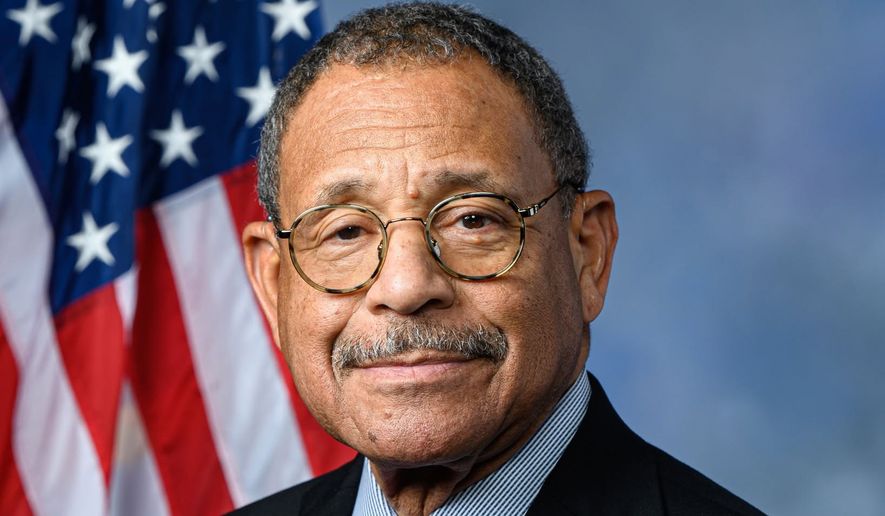
• Rep. Sanford D. Bishop, Jr. has represented the Second Congressional District of Georgia in the U.S. House of Representatives since 1993. He is the Ranking Member of the Agriculture, Rural Development, Food and Drug Administration, and Related Agencies Appropriations Subcommittee. In addition, he serves on the Financial Services and General Government Subcommittee and on the Military Construction, Veterans Affairs, and Related Agencies Subcommittee.

Please read our comment policy before commenting.