


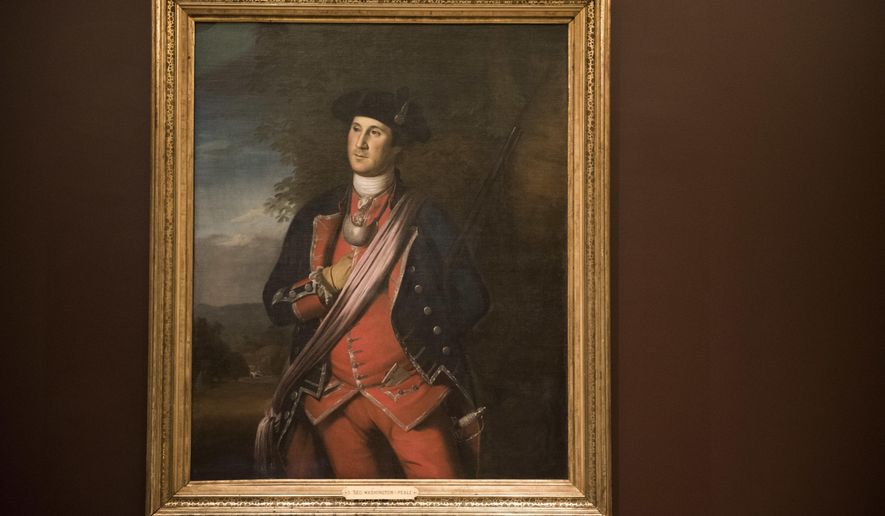

In the words of his close friend Henry Lee, George Washington was “first in war, first in peace and first in the hearts of his countrymen.” Today, Washington’s historic plantation is first among presidential estates, with about one million annual visitors.
At a time when Americans are as divided as ever over the meaning of their shared past, many of those Mount Vernon visitors bring their own ideas about how Washington’s 18th century life and times should be interpreted in the 21st century. During his short retirement after leaving the presidency in early 1797, Washington hoped his home would provide a respite from the exhausting demands of office and scurrilous attacks in the emerging opposition press. More than 200 years later, however, the “history wars” waged over the legacy of the founders have found their way to the historic home on the banks of the Potomac.
People were interested in these podcasts
In this episode of History As It Happens, the second of a two-part series recorded inside the Washington Library, host Martin Di Caro talks to Pulitzer Prize-winning scholar Joseph Ellis and Mount Vernon President Doug Bradburn about the challenge of presenting a balanced portrait of Washington’s legacy during the ongoing national reckoning over race.
In part one, Mr. Ellis and Mr. Bradburn discussed Washington’s vision for the young republic. Writing for posterity in his Farewell Address, the first U.S. president warned of the dangers of hyper-polarization, regional jealousies versus national union, and permanent foreign alliances – issues that remain relevant today.

SEE ALSO: History As It Happens: Joseph Ellis on George Washington’s legacy
