



Democratic voters are sending mixed signals about where they want the party to go next, but have made it clear they are energized and eager for change.
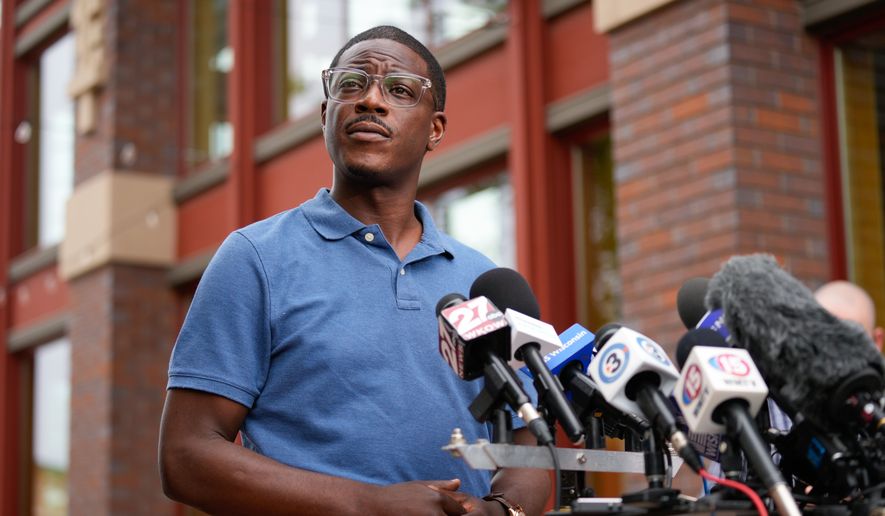
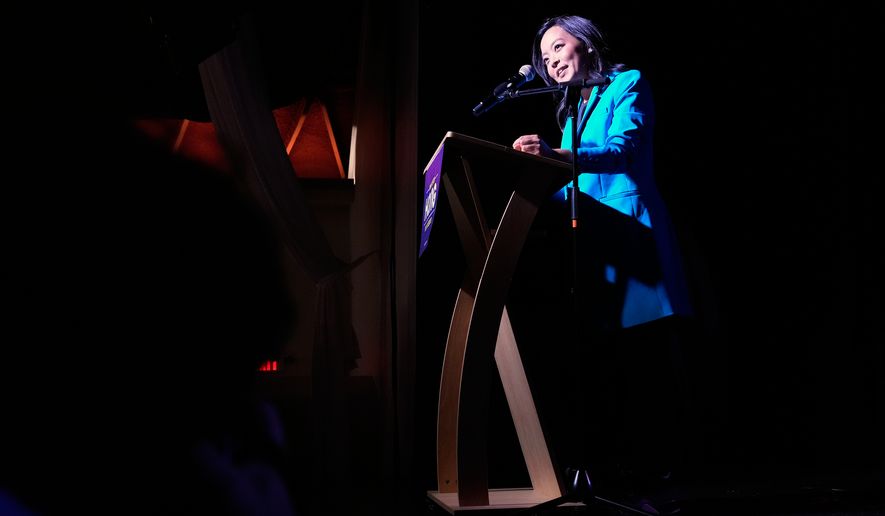
In Wisconsin — a perennial battleground — far‑left enthusiasm fueled strong turnout but collided with a Wednesday morning reality check. Francesca Hong, a Democratic socialist who appeared to have momentum heading into the gubernatorial primary, narrowly lost to Milwaukee County Executive David Crowley after concerns about some of her past far‑left comments took some of the air out of her campaign.
Mr. Crowley, who briefly exited the chaotic primary before reentering with the explicit backing of outgoing Gov. Tony Evers, centered his campaign on general‑election viability.
People were interested in these podcasts
For party pragmatists, Ms. Hong’s razor‑thin defeat underscored lingering fears that far‑left rhetoric and policies could prove fatal against Trump‑aligned Republicans in November, jeopardizing the party’s chances of flipping control of Congress and governors’ mansions across the country.
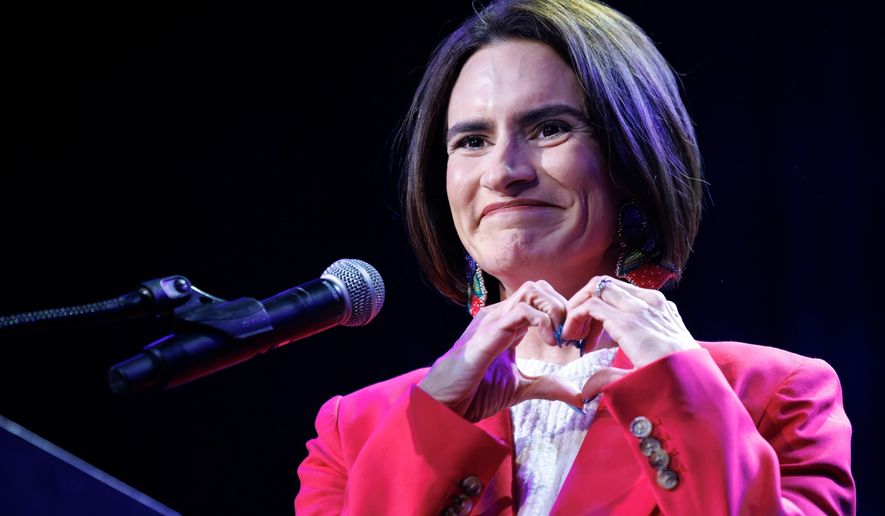
It was a different story in Minnesota, where Lt. Gov. Peggy Flanagan delivered a win for the party’s insurgent wing. She captured the Democratic Senate nomination after tapping into frustration with both President Trump and a status quo that the left says has favored corporate elites over working‑class families. The state saw record primary turnout.
The dueling outcomes followed another ideological clash in Michigan, where liberal favorite Abdul El‑Sayed narrowly defeated establishment‑backed Rep. Haley Stevens last week in a bitterly contested Senate primary. The state also saw high turnout.
SEE ALSO: Left wing of Democratic Party wins showdown Senate race in Minnesota
The results have sparked a range of takeaways.
“The through line between these races isn’t ideology. It’s impatience with this political system that feels disconnected from the urgency voters feel,” Lis Smith, a national Democratic strategist, told the Associated Press. “The demand for change is much broader than the demand for socialism.”
Sen. Bernard Sanders of Vermont, who backed Mr. El‑Sayed and Ms. Flanagan, said the results reflect a broader transformation underway inside the Democratic Party, pointing to recent liberal victories in Colorado, New York and Pennsylvania.
“What we are seeing is that people are sick and tired of establishment politics and establishment policies,” Mr. Sanders said, arguing that the string of insurgent wins shows voters are demanding a different direction.
For others, the primary results boiled down to the better candidate winning, not intra-party warfare over how far left Democrats should go.
Democrats now have just over 80 days to try to iron out the ideological schisms aired out in the party primaries and unite behind their candidates. Those candidates include Ms. Flanagan and Mr. El‑Sayed, who challenged the party’s traditional orthodoxy on Israel and campaigned on promises to pass Medicare for All and to abolish Immigration and Customs Enforcement.
SEE ALSO: Hasan Piker says he’s part of why Hong lost for Wisconsin governor
The strong youth turnout in each of the marquee primaries added another layer to the lessons learned from the party’s primary.
Younger voters have become a driving force behind the liberal gains, elevating candidates who promise sweeping structural change at a moment when Democrats have lacked a clear national standard-bearer since President Biden left office.
Their growing influence is reshaping the coalition and accelerating a generational debate over what the party should stand for—and whether its future lies with the insurgent left or a more traditional, consensus‑driven approach aimed at reclaiming independent and moderate-minded voters.
It has also fueled questions about whether it is time for Democratic Party leaders in Washington to pass the reins.
Both Ms. Flanagan and Mr. El-Sayed have made it clear that it is time for Senate Minority Leader Charles Schumer of New York to leave his post.
The November election will test whether elevating left‑leaning standard‑bearers in key states ultimately helps or hurts the party’s push to reclaim congressional majorities.
With control of Congress on the line, political analysts say the challenge facing party leaders now is how to balance the ideological wars with building a coalition large enough to defeat Trump‑aligned Republicans in the fall.
— This article is based in part on wire service reports.

Please read our comment policy before commenting.