


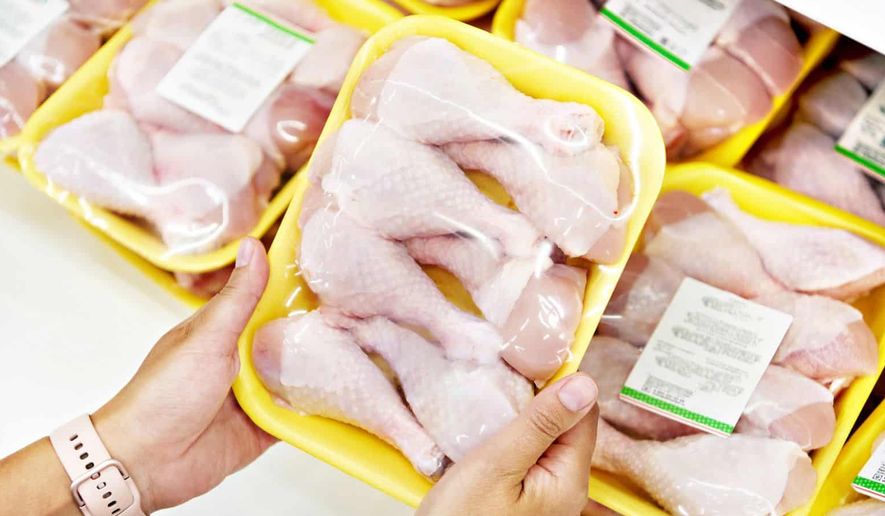

Chicken prices fell 3.5% in July 2026 compared with the prior year, even as overall grocery prices and beef costs have climbed. For households trying to stretch their grocery budget, chicken is gaining even more appeal.
Affordability may put more chicken in shopping carts, but versatility determines whether it remains on household menus. Lower prices allow home cooks to stretch their grocery budgets, especially when a single package can become several distinct meals. The challenge is keeping it from tasting like the same dinner on repeat.
Poultry prices break from the grocery trend
Food-at-home prices have risen 2.7% since last June, but chicken remains an exception in the meat case. Beef and veal prices climbed 11.8% over the same period, and ground beef rose 9.4% as of July. The agency’s July Food Price Outlook projects poultry prices will rise 1% for the year, compared with a 10.7% increase for beef and veal. USDA points to a U.S. cattle herd at its lowest level in 75 years and unusually high wholesale beef prices as factors behind the rise in beef costs.
Chicken already dominates American plates
Chicken was the country’s most-consumed meat before its recent price advantage widened. USDA projects chicken consumption will reach 105.6 pounds per person in 2026, nearly twice the 60 pounds projected for beef.
That popularity has grown for decades, fueled in part by chicken’s ability to move from lunchboxes and salads to soups, casseroles and grilled meals. Lower prices could strengthen that role, but frequent appearances create another challenge once the groceries reach the kitchen.
Home cooks in the alpha-gal community have more practice than most. Alpha-gal syndrome is a tick-borne food allergy that can cause reactions to beef, pork, lamb and other mammalian products. Because poultry does not contain alpha-gal, many people with the condition build their weekly menus around chicken.
Food fatigue is real for frequent chicken cooks
Home cooks who serve chicken several times a week know how quickly a reliable protein can turn into a rut. Dasie Schulz, who runs the Alpha Gal Home Cook YouTube channel, hears the complaint often. “When people tell me they’re sick of chicken,” Schulz says, “I tell them they can make a week-long menu with chicken and feel like they are eating something new each day.” She credits this kitchen creativity to the cut, cooking method and seasonings.
Switch things up by selecting a different cut
Avoiding chicken fatigue starts at the grocery store. Boneless breasts are the default for many shoppers, but the meat case offers thighs, drumsticks, cutlets, ground chicken and whole birds.
Ground chicken can stand in for ground beef in dishes like meatballs, burger patties, lettuce wraps and dumpling fillings. Thin cutlets cook quickly and pair well with pan sauces or toppings. Thighs work in dishes that roast, braise or simmer, while a whole chicken can carry one meal and provide shredded meat for another.
Schulz builds many of her family’s meals around one cut. “Boneless, skinless chicken thighs are one of my favorite options,” she says. “There are so many ways this single cut can be prepared that you could eat dishes made from boneless chicken thighs for over a week and never feel like you’re eating the same thing twice.”
Same cut, different results
The way chicken meets heat changes a dish as much as the cut does. Grilling adds char, braising keeps tougher cuts moist and shredding creates a base for fillings, soups and bowls.
“Shaking up the way you cook your chicken can completely change a dish,” Schulz says. “For example, slow-cooking or pressure-cooking chicken until it’s tender and falling off the bone creates a very different result from roasting it in the oven or cooking it on the grill.”
Rotating methods work even when the seasonings stay the same. That makes it one of the simplest ways to add variety without having to learn a new recipe.
Global flavors do the heavy lifting
Seasonings and sauces can send the same cut of chicken in completely different directions. Smoky Mexican spices, lemony Mediterranean herbs, shawarma seasoning, coconut curry and sesame-ginger sauce each produce a distinct meal from identical raw ingredients.
April Garbat Vaughan has cooked a lot of chicken since her 2022 alpha-gal diagnosis and taps into other cuisines to keep chicken from becoming boring. “My biggest advice is to look at global flavors,” she says. “They add so much variety to meals when we can’t vary the animal protein as much as we’d like.”
Her rotation runs wide. Garam masala or rogan josh spices work on white meat, West African peanut sauce turns chicken into something else entirely and dark meat simmered with lentils, turmeric, ginger and toasted mustard seed draws on Indian and Sri Lankan cooking.
Building a usable spice cabinet takes less than most cooks expect. Schulz relies most on garlic powder, smoked paprika, cumin, chili powder, ginger, Italian seasoning and cayenne, an assortment she says covers American, Mexican, Italian, Greek and Asian profiles.
Cook once without eating the same meal twice
Leftovers save money only when someone wants to eat them. Planning the next use before the chicken goes into the oven can prevent a container of dry slices from being pushed to the back of the refrigerator.
A roast chicken can become soup, enchiladas or chicken salad, while grilled pieces can move into wraps, pasta or a grain bowl. Chopped chicken in a crisp salad reads as a new meal in a way that sliced chicken reheated beside the same side dishes does not.
Seasoning strategy helps here, too. Keeping part of a batch mildly seasoned leaves room to add different sauces at serving time, so a single cooking session produces several meals rather than one meal eaten repeatedly.
The carcass has a second life as well; Garbat Vaughan cooks a whole chicken in a slow cooker, pulls the meat off the bones and separates the breast from the rest, then returns the bones to the slow cooker to simmer for a day. She sieves out the bones and uses the chicken broth for beans, soups and stews, freezing what she does not need right away.
How to store leftover chicken
USDA recommends refrigerating cooked chicken for no more than three to four days. Chicken that will not be eaten during that window can be frozen in meal-sized portions in airtight containers or freezer bags. Pressing out excess air and labeling each package with the date and its planned use makes it easier to turn frozen chicken into a future meal.
Cooked chicken maintains its best quality in the freezer for about four months. Pieces frozen in broth or gravy can maintain their quality for up to six months.
The best bargain is the chicken that gets eaten
Lower chicken prices may persuade more shoppers to put poultry in their carts, but the real savings depend on what happens after checkout. A package that becomes several distinct meals offers more value than one that results in unwanted leftovers.
The home cooks who rely on chicken most often offer a simple lesson: variety does not require a brand-new recipe every night. Changing the cut, cooking method, flavor direction or second-meal plan can keep this affordable protein useful long after its lower price gets a shopper’s attention.
Sage Scott is a patient advocate diagnosed with alpha-gal syndrome in 2021. She shares practical guides, recipes and real-world advice for others navigating life with alpha-gal syndrome at Sage Alpha Gal.

Please read our comment policy before commenting.