



OPINION:
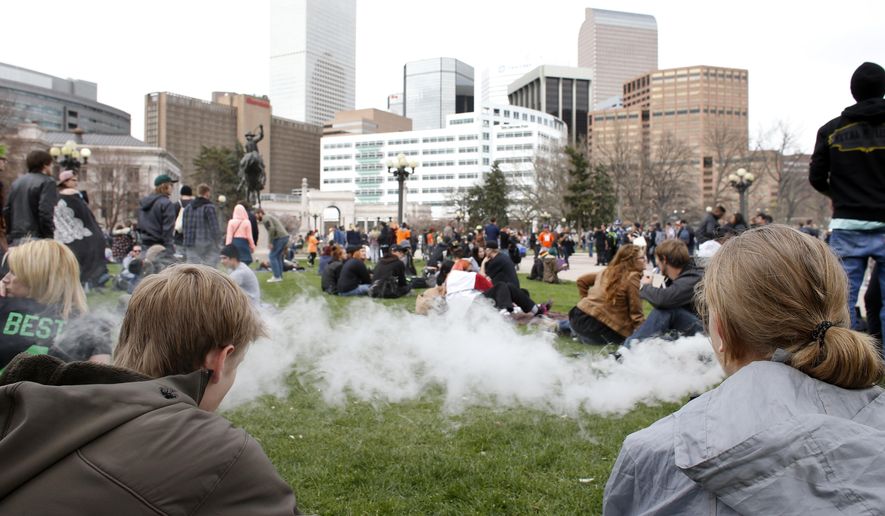
The obsessive quest to normalize marijuana use has ramped up over the past decade, with new data showing that those bent on profits over people have successfully manipulated the nation into believing weed comes with no real individual or cultural costs.
New research from the 2025 National Survey on Drug Use and Health found that marijuana is now the most used daily drug among Americans.
The shocking findings reveal that 21.4 million people now use the substance either daily or near-daily, surpassing both cigarettes and alcohol. While 19.9 million people partake in cigarettes daily or near-daily, 17.2 million do the same with alcohol. This metric means they have taken the drug for at least 300 days over the past year.
None of this should come as a surprise. Hollywood has obsessively normalized marijuana in movies and TV shows, desperately attempting to convince people that weed is harmless. Business leaders, seeing a massive opportunity to make money, have seized the opportunity to create cannabis companies built on an addiction to THC.
Some of these same people deny any addictive properties exist — and governments have jumped on board the runaway train, predicting and then basking in massive tax benefits.
For years, anti-marijuana advocates warned that these efforts would lead to massive increases in marijuana use. Many dismissed or ignored these alerts, but to our own chagrin, the statistics now are simply startling.
Tragically, the public has fallen for the lies. According to the Pew Research Center, 55% of Americans now say weed should be legal for “medical and recreational use,” with another 33% proclaiming it should be legal for medical use alone. With softened beliefs about legalization have come new laws permitting cannabis — and a massive uptick in use.
From 2022 to 2025, daily or near-daily use increased by 21%, from 17.7 million to about 21.4 million. And the rise is mostly among adults, not young people.
There’s a legitimate argument to be had about medicinal uses for cannabis, with various parties taking different perspectives on how viable and useful the drug can be to treat ailments, ranging from pain to mental health afflictions.
But the real sticking point is on recreational use and the obsessive quest to make the drug more available and easier to access.
There are some major structural, societal and individual issues with the ways that marijuana is being used currently. Considering the nation has been experiencing copious amounts of anxiety, stress and loneliness, the increase in the use of a drug that seeks to numb and impede is not necessarily a healthy step forward.
But beyond that, the legalization of recreational marijuana has been built on a slate of lies, with proponents claiming the drug is benign and that there are no real physical or mental health concerns. Proponents seem to either ignore or downplay these worries.
Dr. Raymond Wiggins, an oral surgeon and author of “Weeding Out the Lies About Marijuana,” told me earlier this year that he has looked at all of the data and studies — and is deeply concerned by what he’s observed.
“There’s a lot of great studies about mental health, including depression and anxiety, paranoia, personality disorders, psychosis and a lot of new studies about the devastating effects of marijuana during pregnancy,” Dr. Wiggins told me. “And a couple of other studies in that area actually show a pretty strong correlation between use during pregnancy and autism spectrum disorder.
“And a few of the studies that we have are on brand new topics that we really didn’t know a lot about in the past. One shows a four times risk of diabetes among marijuana users, and then there’s another one that shows a six times risk of obesity in marijuana users.”
And that’s not all. Dr. Wiggins noted that cardiovascular disease, heart attacks, auto accidents, violence and other issues are also sparked by marijuana.
While the physical issues are deeply concerning, mental afflictions have gone virtually ignored and unnoticed.
“There was another great study that came out that showed a 15-fold risk of psychosis, excuse me, of schizophrenia in particular in those who have cannabis use disorder,” Dr. Wiggins said. “And that same study revealed that schizophrenia associated with cannabis use disorder is three times more common in states with liberalized marijuana laws.”
These issues only scratch the surface of a drug we’ve barely studied and hardly understand. Yet, despite so many experts sounding alarms, too many people have decided that profits are more important than people, pushing marijuana into the mainstream and engaging in a greedy money grab.
An honest look at cannabis use paints a dangerous and difficult narrative that is being ignored. We’ve opted for a gateway into lostness rather than an honest conversation, and, if we’re not careful, we’ll soon collectively regret the mess we’re actively making.
• Billy Hallowell is a digital TV host and interviewer for Faithwire and CBN News and the co-host of CBN’s “Quick Start Podcast.” Mr. Hallowell is also the author of four books.
Follow the author


Please read our comment policy before commenting.