



1. What decision is the Bureau of Reclamation facing about Glen Canyon Dam?
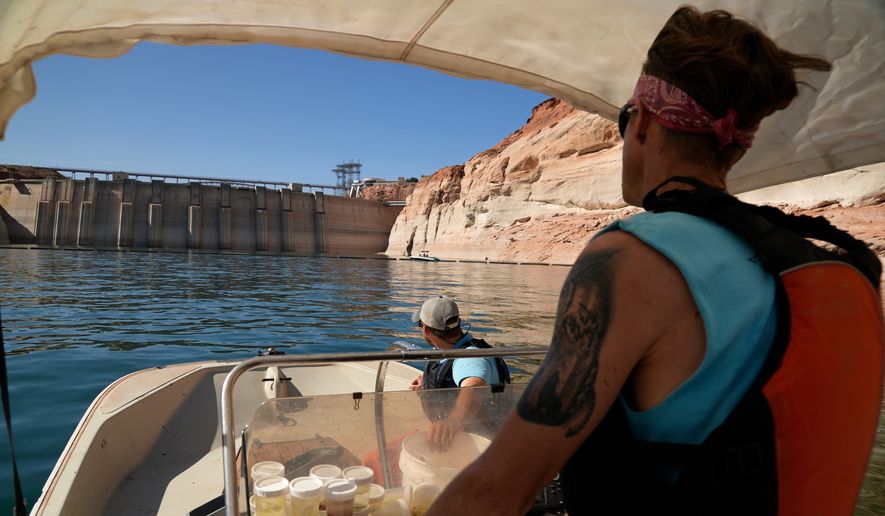
The Bureau of Reclamation must decide whether to approve “cool mix flow” releases from the deep, cold water of Lake Powell through Glen Canyon Dam in northern Arizona. The releases would bypass the dam’s hydropower turbines from June to October, costing utilities an estimated $25 million in replacement energy costs this year alone.
2. Why does water temperature below the dam threaten native fish?
People were interested in these podcasts
When Lake Powell’s reservoir runs low, warm surface water gets pulled through the dam’s generators, carrying non-native smallmouth bass downstream. If water temperatures consistently exceed 60°F — projected for mid-June — those bass can reproduce in the river below, threatening the humpback chub, a federally protected native species, as well as other fish in the Grand Canyon stretch of the Colorado River.
3. Who bears the financial cost of the cool water releases?
Utilities that purchase federally generated hydropower, representing about 155 customers through the Colorado River Energy Distributors Association, face the brunt of the costs. Bypassing the turbines forces them to buy more expensive replacement power, contributing to rate hikes for residential customers like Ann Moulton of Heber City, whose April electricity bill rose from $86 to $126 over two years.
4. Have cool water releases worked before?
Yes. Officials say cool water releases in both 2024 and 2025 successfully prevented smallmouth bass from spawning below the dam. Without the releases, the only alternative would be manually removing predatory fish downstream — a far less reliable and potentially more costly approach to protecting native species long-term.
5. What larger crisis is driving this decision?
Lake Powell is only 23% full after decades of overuse, evaporation, and rising temperatures driven by climate change, with record-low inflows expected this summer. The decision comes as seven U.S. states, tribal nations, and Mexico — representing more than 40 million people — have failed to reach a long-term agreement on sharing the Colorado River’s dwindling water supply before current guidelines expire this year.
For more on this report, read “Releasing cool water protects fish in the Grand Canyon. That comes at cost to hydropower” from The Associated Press, published on The Washington Times.
This article was constructed with the assistance of artificial intelligence and published by a member of The Washington Times' AI News Desk team. The contents of this report are based solely on The Washington Times' original reporting, wire services, and/or other sources cited within the report. For more information, please read our AI policy or contact Steve Fink, Director of Artificial Intelligence, at sfink@washingtontimes.com
The Washington Times AI Ethics Newsroom Committee can be reached at aispotlight@washingtontimes.com.

Please read our comment policy before commenting.