



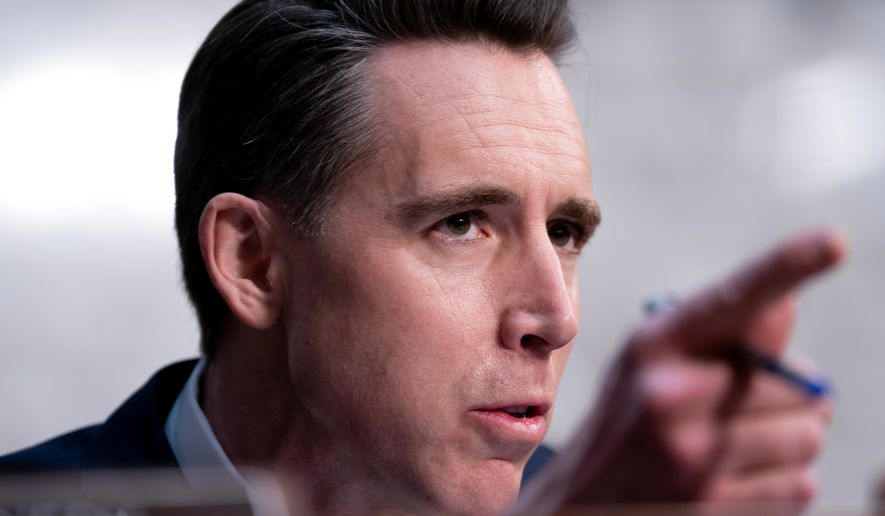
Sen. Josh Hawley was not on the ballot this year, but one of his pet issues was: data centers.
The Missouri Republican has championed the need for guardrails around their construction, but post-election he is taking a rare position among his party and calling for a data center moratorium.
It is a sign that voters’ anti-data center views broke through.
People were interested in these podcasts
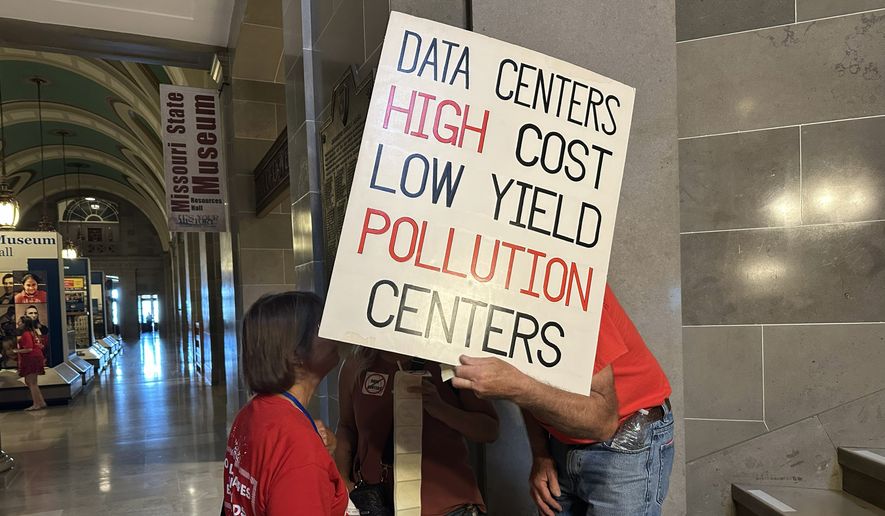
“People are apoplectic about this,” Mr. Hawley said. “In my state, they’re apoplectic about losing prime farm ground. They’re apoplectic about transmission lines running over their homes to fund these data centers. And they feel like they have no control – and that’s before we even get to electricity costs.”
In the recent midterm elections, not a single ballot question posed in localities across the country asking for approval of a data center passed. And voters overwhelmingly elected candidates, primarily Democrats, who took tougher stances against data center development.
“There’s a lot of fear about AI from people who think that AI will take away their jobs, and AI is not something that you can put your hands on, but a data center is,” said Dan Ye, an AI expert who lectures at Johns Hopkins. “So, in some sense, this anti-data center sentiment, especially from the left, is also people’s reaction against the [concern] that AI might take away their job.”
A majority of voters believe AI will do more to hurt society than help it and said data centers were a major factor in how they voted in the 2026 midterm elections, according to CBS News’ exit polls.
Roughly 76% of voters would oppose a data center being built in their community, compared to 24% who would support it.
The opponents include 87% of Democrats, 78% of independents and 62% of Republicans.
Still, Mr. Hawley is fairly alone among Republicans in calling for a data center moratorium. Many Democrats are not prepared to go that far yet either.
“You see huge pushback from the American people with an out-of-control AI industry. We need to put in some reasonable, sensible guardrails,” House Democratic Caucus Vice Chair Ted Lieu of California said when asked whether a data center moratorium would be on the party’s agenda.
Mr. Hawley has previously pushed for guardrails, introducing bipartisan legislation to guarantee that localities can vote on whether or not a data center can come into their town and to guarantee that electricity and other utility costs would not go up if a data center is built.
“Until we do that, I think we ought to just say we’re just going to have a moratorium,” he said last week.
Mr. Ye does not see that happening because the data center construction boom has produced jobs and other positive economic benefits.
“If it weren’t for data center construction, we probably would have been in a recession by now because of all the tariffs and the high gas prices,” he said. “My guess is Democrats use it as a campaign issue, but I don’t think they’re very serious in terms of actually putting a stop on data center construction, at least not in the near term.”
Voters who have a say, however, are rejecting data centers being built in their communities. Some of the ballot measures related to proposed data center projects, while others sought to introduce broader moratoriums.
The anti-data center position prevailed in all 46 ballot measures posed in localities across states such as Ohio, Maine, Illinois and Kansas, according to a tracker from Data Center Resistance, a nonprofit launched in May to help fight unwanted data center development.
“Most of them were in communities of 5,000 people, 10,000 people, 15,000 people. None of the issues were in large urban areas,” said Ed FitzGerald, the group’s director.
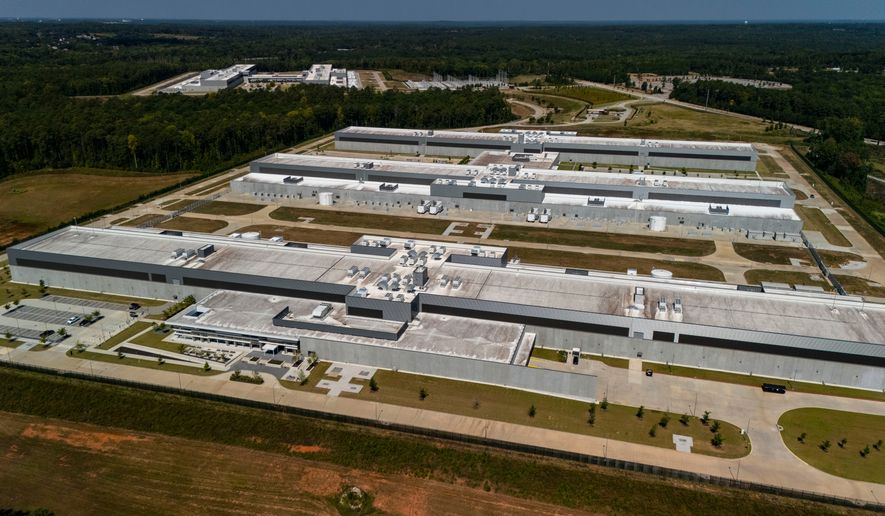
“In some of them, there was a tremendous amount of money that was spent to try to get people to approve a data center project, and the money didn’t have any effect at all, or very little effect,” he said.
For example, he said more than $1 million was spent to convince a small Ohio community to approve a data center, but voters rejected it by 40 percentage points.
Nearly half of the data center ballot measures were in Ohio, and the issue played in the state’s Senate and gubernatorial races.
Former Ohio Sen. Sherrod Brown, a Democrat, won his bid to return to the Senate in part by attacking incumbent GOP Sen. Jon Husted for backing tax cuts and other policies as lieutenant governor that drove data center development to the state.
Ohio gubernatorial candidates, Democrat Amy Acton and Republican Vivek Ramaswamy, also sparred over data centers during their campaigns.
Ms. Acton, who won the race, has advocated for what she calls a “conditional moratorium” on data centers. Her position would not fully stop data center development but would only allow it if the companies fully cover their utility costs, use union labor for the construction and follow environmental standards.
This election cycle saw more than $380 million in spending on television ads mentioning data centers, according to data from AdImpact cited in an ABC News report. Democrats outspent Republicans more than three to one.
Mr. FitzGerald, whose group is nonpartisan, said the grassroots movements against data centers are not typically motivated by politics.
“They don’t trust politicians,” he said. “They’re involved because there’s something very specific that they think is a threat to their quality of life in their specific community.”
Anti-data center activists Mr. FitzGerald worked with in states such as Ohio, Maine and Kansas said the issue did drive some voters to oppose the Republican incumbents who lost their Senate races.
“The fact that President Trump was coming out and saying data centers are fantastic, and anybody that isn’t for them is being a fool, I don’t think that helped Republican candidates at all,” he said. “He was branding the Republican Party, whether they liked it or not, as being a pro-data center party.”
Mr. Trump has doubled down on his support for data centers since the election.
“It’s a cash cow,” he said on CBS’ “60 Minutes.”
The president said many places are welcoming the data center development and that he has tried to limit impacts on communities by demanding the centers build their own electric plant and put any excess back into the grid.
The Senate is currently debating a permitting overhaul bill that includes a provision that would require large data centers to pay for their own electricity and any grid upgrades needed to serve them.
Democratic negotiators are using that provision as a selling point to their colleagues on the broader bill.
“This bill directly holds data centers accountable, forcing big corporations to pay their full share instead of pushing costs on the consumers,” said Sen. Martin Heinrich, New Mexico Democrat. “That one provision is worth $35 billion to American households.”
Contact the author


Please read our comment policy before commenting.